
Lawn
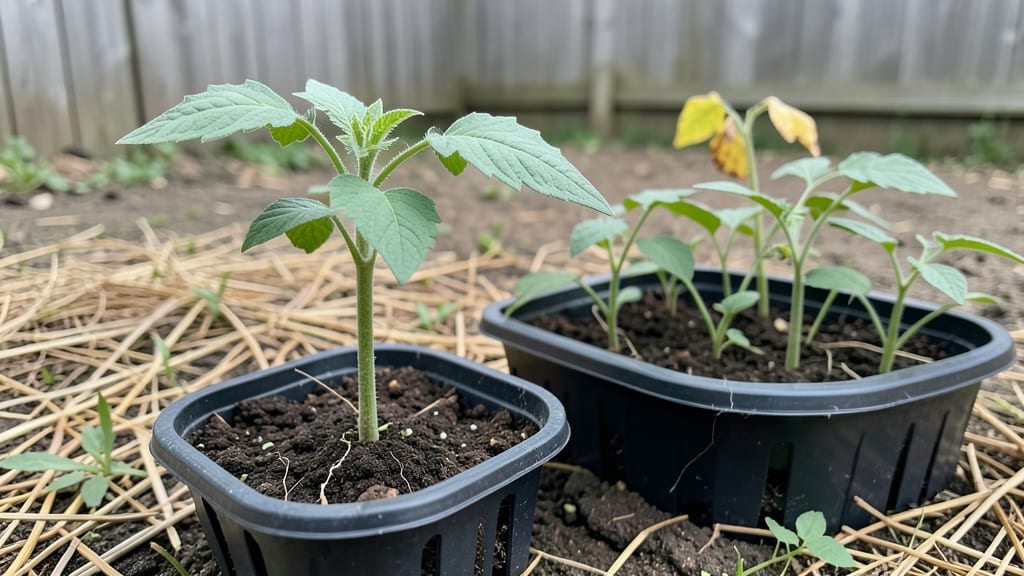
Seed planting definition is the method of placing seeds into prepared soil or growing medium to initiate plant growth, requiring careful attention to planting depth, spacing, and environmental factors for optimal germination and development.
This foundational gardening technique kicks off the entire plant lifecycle, where seeds break dormancy through water absorption and enzyme activation. 🌱 The right conditions—like consistent moisture and proper temperature—turn a tiny seed into a thriving plant.
I’ve seen firsthand how even small mistakes in planting depth (too shallow or too deep) can determine whether your seedlings survive or fail.
Beyond just sticking seeds in dirt, successful planting depends on understanding your specific plants’ needs. For example, delicate flowers need fine, well-draining soil, while hearty vegetables can handle slightly heavier mixes.
The spacing between seeds also affects airflow and sunlight exposure, which directly impacts how quickly and strongly your plants grow.
💡 In This Article
- How Seed Germination Works in Plant Growth
- Essential Steps for Successful Seed Planting
How seed germination works in plant growth
When a seed lands in the right conditions, it triggers a biological cascade that transforms it from a dormant state into a growing plant. The process begins with imbibition, where the seed absorbs water through its outer layers, causing the seed coat to swell and rupture.
This water uptake activates enzymes that break down stored nutrients—like starches and proteins—into simpler forms the embryo can use. For example, a bean seed might absorb up to 50% of its dry weight in water within the first 24 hours, swelling visibly like a tiny sponge.
The next critical phase is enzyme activation, where enzymes like amylase convert starches into sugars that fuel the seedling's early growth. Meanwhile, the embryo's cells begin rapid division, with the radicle (future root) emerging first to anchor the seedling and absorb more water.
The shoot then pushes upward through the soil, a process powered by stored energy until the plant can perform photosynthesis. Temperature plays a crucial role here—most seeds germinate best within 60-85°F, though some tropical species need warmth near 85-95°F to trigger growth.
Light exposure also influences germination, though its effects vary by species. Some seeds, like lettuce, require light to break dormancy, while others, such as beans, germinate better in darkness. This is why planting depth matters—seeds sown too shallowly may dry out, while those buried too deeply might starve for light.
For instance, tiny carrot seeds should sit just 1/8 inch below soil, whereas larger beans can handle 1-2 inches of coverage. The right balance ensures the seedling can reach the surface without exhausting its energy reserves.
Moisture consistency is another make-or-break factor. Seeds need steady hydration—neither soggy nor bone-dry—to avoid rotting or drying out before sprouting. Think of it like a sponge: too much water squeezes out oxygen, while too little halts the chemical reactions inside.
A well-draining soil mix helps maintain this balance, preventing waterlogged conditions that can suffocate emerging roots. For example, peat-based mixes retain moisture longer than sandy soils, making them ideal for seeds that need prolonged dampness, like impatiens.
What most gardeners don’t realize is how seed coat thickness affects germination speed. Hard-coated seeds, like those of peas or some wildflowers, often require scarification (scratching or soaking) to weaken the outer layer and allow water penetration.
Without this step, the seed might sit dormant for months or even years, waiting for natural conditions to break its protective shell. This is why pre-soaking certain seeds overnight can shave days off your germination timeline.
Finally, the timing of germination depends on the plant species. Fast growers like radishes sprout in just 3-5 days under ideal conditions, while slower trees or perennials may take 2-4 weeks or longer. This variability is why seed packets often include specific instructions—ignoring them can lead to disappointment.
For instance, planting tomato seeds at 55°F might result in weak, leggy seedlings, whereas waiting for soil to warm to 70°F yields stockier, healthier plants ready for transplanting.