
Planting
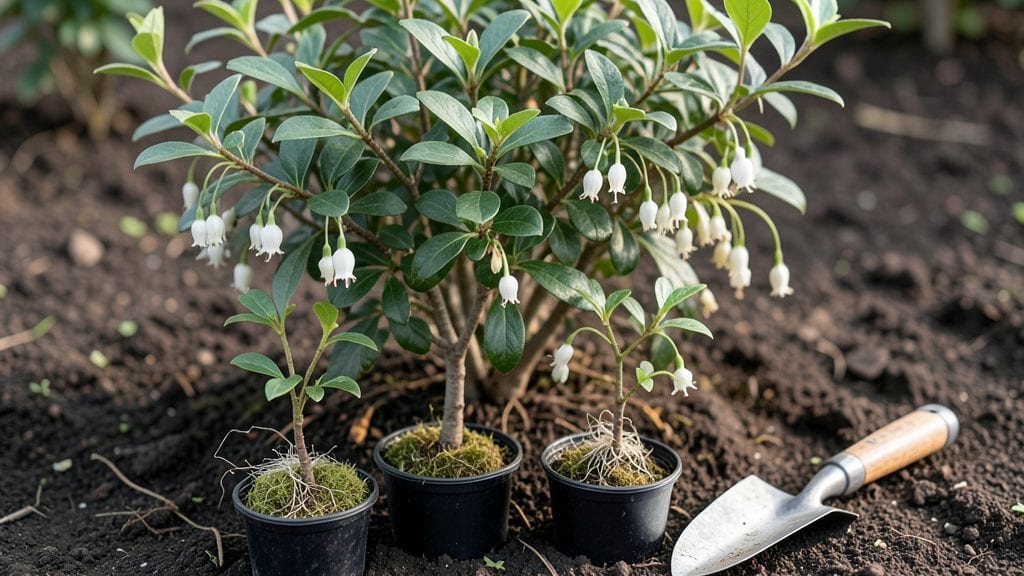
Here are some blueberry planting tips that’ll save you from bitter berries and wasted effort—start with the right soil and variety, or risk tiny, sour harvests. 🌿 The key is matching your climate to the right type (southern highbush or northern lowbush) and amending soil with peat moss or sulfur to hit that 4.5–5.5 pH sweet spot.
After testing your soil, dig a hole twice as wide as the root ball and mix in compost for drainage. Space plants 4–6 feet apart—crowding leads to disease and poor fruit. Plant on a slight mound to prevent root rot, then water deeply to settle the soil.
The first year is all about establishing roots, so mulch heavily to keep moisture in and weeds out.
📚 In This Guide
- What you need
- Instructions
- Tips and common mistakes
- Wrapping up and next steps
What you need
- ● Blueberry plants: 1–3 dwarf (1–2 ft tall) or semi-dwarf (3–5 ft tall) plants per variety (e.g., rabbiteye, southern highbush, or northern highbush). Choose bare-root (dormant season) or container-grown (any season) plants from a reputable nursery.
- ● Soil amendments: 2–3 gallons peat moss or pine bark fines (for acid-loving soil).
- ● 1–2 lbs sulfur (to lower pH to 4.5–5.5).
- ● 1 cup balanced fertilizer (10-10-10) or organic compost (for nutrients).
- ● Planting tools: 1 garden trowel or shovel (for digging).
- ● 1 pruners (sterilized, for trimming roots or branches).
- ● 1 garden hose or watering can (with a fine rose nozzle).
- ● Mulch: 3–4 inches pine straw, wood chips, or leaf mold (to retain moisture and acidify soil).
- ● 1 soil pH test kit (to monitor acidity levels).
- ● 1 drip irrigation system (for consistent watering).
- ● 1–2 blueberry plant cages or trellises (for support as plants grow).
- ● Epsom salt (magnesium sulfate) for nutrient boosts.
- ● 1 spreader (for even mulch or fertilizer distribution).
How to plant blueberries for a thriving, fruitful bush
Blueberries demand the right conditions, but once you nail soil, placement, and spacing, they reward you with years of harvests.
🌱 Step 1: Prepare the Planting Site with Acidic Soil
Blueberries refuse to thrive in alkaline soil—they need a pH between 4.5 and 5.5. Test your soil first (kits are cheap and easy). If it’s too high, mix in 2-3 pounds of sulfur per 100 square feet of bed and wait 2-3 months before planting. This gives the sulfur time to acidify the soil naturally.
Choose a spot with full sun to partial shade—morning sun and afternoon shade work best in hot climates. Avoid low-lying areas where cold air settles, as blueberries are sensitive to late frosts. Dig a hole twice as wide as the root ball but no deeper, since blueberries hate having their roots buried too deeply.
🪴 Step 2: Plant with Proper Spacing and Mulch
Space blueberry bushes 4-6 feet apart in rows 6-8 feet apart to allow airflow and easy harvesting. Plant them at the same depth they were in their container—burying the stem too deep suffocates the plant, while planting too shallow exposes roots to drying out. Gently loosen the roots if they’re circling the container before placing them in the hole.
Backfill with a mix of native soil and peat moss (or pine fines if available) to maintain acidity. Water deeply right after planting to settle the soil and eliminate air pockets. Spread 3 inches of mulch (pine needles or wood chips work best) around the base, keeping it 2 inches away from the stem to prevent rot.
☀️ Step 3: Water and Fertilize for Strong Growth
Blueberries need consistent moisture, especially during their first year. Water deeply once a week (or more in extreme heat) until the soil is 6 inches deep and damp. Avoid wetting the leaves to prevent fungal diseases. After the first year, reduce watering slightly but keep the soil moist—drought stress makes berries small and hard.
Fertilize lightly in early spring with an acid-loving plant fertilizer (like one formulated for azaleas or rhododendrons). Too much nitrogen makes leaves grow fast but berries stay small. I use half the recommended dose the first year to avoid overwhelming the young plant. In late summer, add a slow-release fertilizer to support root growth before winter.
Tips & tricks for perfect blueberry planting
These hard-earned insights will help you avoid common pitfalls and set your blueberry bushes up for long-term success.
Soil pH is non-negotiable: That 4.5-5.5 pH range is critical—any higher and your plants will struggle. I learned this the hard way after planting in regular garden soil. Test your soil first, and if it's too alkaline, don't rush the sulfur treatment. Those 2-3 months waiting period gives the sulfur time to work properly. You can speed up the process slightly by watering regularly during that time, but don't skip the waiting period entirely.
Root ball placement matters: When planting, make sure the root ball sits at exactly the same depth it was in its container. I've seen many gardeners bury the stem too deep, which can suffocate the plant, or plant too shallow, exposing roots to drying. The key is to keep that root flare (where roots meet stem) visible above soil level. Also, gently loosening circling roots before planting gives them more room to establish.
Watering wisdom for first-year plants: Those first-year blueberries need consistent moisture—water deeply once a week until the soil is 6 inches deep and damp. Here's a trick: Use a long screwdriver or soil probe to check moisture levels rather than guessing. In extreme heat, you might need to water twice a week. The goal is to keep the roots happy without drowning them, especially since blueberries hate having wet leaves (which can lead to fungal diseases).
Fertilizer strategy for healthy growth: Too much nitrogen is a common mistake—it makes leaves grow fast but keeps berries small. Stick with half the recommended dose of acid-loving fertilizer the first year. I've found that a slow-release fertilizer in late summer gives roots a nice boost before winter without overwhelming the young plant. And remember, organic options like composted pine needles work well too.
Pro Tips for Blueberry Planting Tips
- These hard-earned insights will help you avoid common pitfalls and set your blueberry bushes up for long-term success.
- Soil pH is non-negotiable: That 4.5-5.5 pH range is critical—any higher and your plants will struggle.
- Root ball placement matters: When planting, make sure the root ball sits at exactly the same depth it was in its container.
Frequently asked questions
Got questions about growing blueberries? You’re not alone! Here are answers to the most common concerns—from timing to troubleshooting—so you can grow thriving bushes with confidence.
When is the best time to plant blueberries?
For southern climates (zones 7-9), plant in late fall or winter (Nov–Feb) to avoid summer heat stress. In northern zones (3-6), spring (April–May) is ideal—just plant before buds break. Ever-bearing varieties can sometimes tolerate spring planting, but rabid (northern highbush) types prefer dormancy. Pro tip: Soak bare-root plants 2–4 hours before planting to reduce shock!
Can I grow blueberries in containers or pots?
Dwarf varieties (like ‘Top Hat’ or ‘Peach Sorbet’)
thrive in containers (at least 12–18" deep). Use a well-draining, acidic mix (50% peat moss or pine bark + 50% compost). Repot every 2–3 years and fertilize with acid-loving plant food (e.g., Miracid). Containers dry faster, so water deeply 2–3x/week. Bonus: Move pots to full sun (6+ hours) for best fruit production.
Why aren’t my blueberry bushes producing fruit?
Common culprits:
- Wrong soil pH: Test it—blueberries need 4.5–5.5. Amend with sulfur or peat moss if too alkaline.
- Improper pruning: Remove old canes (10+ years) and weak growth in late winter. Never prune in summer!
- Lack of pollinators: Plant multiple varieties (even self-pollinating ones benefit from cross-pollination).
- Young plants: Northern highbush take 2–3 years; southern/ever-bearing may fruit sooner but heavily in alternate years.
How do I extend the blueberry harvest season?
Choose multiple varieties with staggered ripening times:
- Early season: ‘Duke’ (May–June)
- Mid-season: ‘Bluecrop’ (June–July)
- Late season: ‘Jersey’ or ‘Patriot’ (July–August)
Can I grow blueberries in my yard if I already have azaleas or rhododendrons?
Yes! All three thrive in acidic, well-draining soil (pH 4.5–5.5). Azaleas/rhododendrons are great companion plants—they share similar care needs. Avoid planting too close (3–5 ft apart) to prevent competition. Test soil pH first—if it’s already acidic, you’re golden! Warning: Don’t mix with hydrangeas unless you’re okay with pH wars (they prefer 5.2–6.2).
Wrapping up and next steps
Planting blueberries is a rewarding journey that combines patience, care, and a touch of science! 🌱 By choosing the right variety, preparing your soil, and maintaining proper watering and pruning habits, you’ll soon enjoy a bountiful harvest of juicy, antioxidant-rich berries.
Whether you’re a beginner or a seasoned gardener, these blueberry planting tips will set you up for year-round success.
Now that you’re armed with the know-how, it’s time to roll up your sleeves and get growing! Start by marking your planting spots, then watch your blueberry bushes thrive. Happy planting—your future blueberry smoothies are waiting! 🍇✨