
Vegetables
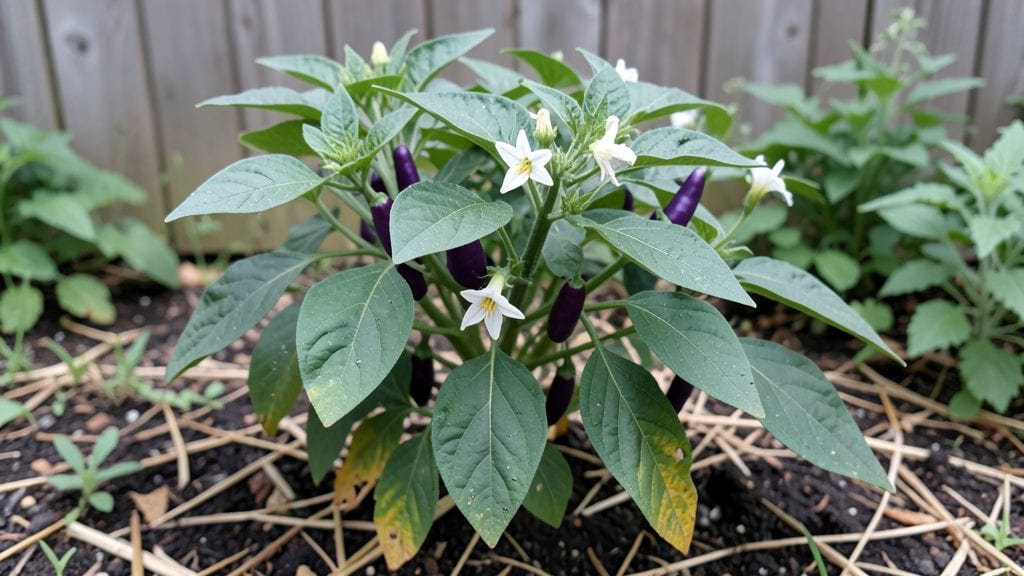
Growing a purple jalapeño pepper plant turns your garden into a showstopper—literally. 🌿 This isn’t your average green pepper; its deep purple hue fades to red when ripe, and the heat packs a surprising punch (3,500–8,000 Scoville units).
I’ve grown them in containers and in-ground beds, and they’re just as productive as their green cousins, if not more dramatic.
The key to success starts with warm soil—wait until nighttime temps stay above 55°F before planting. Purple jalapeños thrive in full sun (6+ hours daily) and well-draining soil with a pH of 6.0–7.0.
If your summers are scorching, a 5-gallon container with good airflow keeps them happy, though they’ll sprawl if given space. Prune aggressively to encourage bushier growth and more peppers.
By midsummer, you’ll be harvesting glossy purple pods that turn vibrant red when fully ripe. The flavor? Smoky, slightly sweet with that classic jalapeño kick—perfect for fresh salsas, pickling, or drying.
Even in containers, a single plant yields 20–30 peppers if you stay on top of watering (keep soil consistently moist but not soggy) and fertilize lightly every 3–4 weeks with a balanced 10-10-10 mix.
They’re tougher than they look—resistant to many pests and diseases—but watch for aphids and spider mites. If growing in cooler climates, start seeds indoors 8–10 weeks before last frost or opt for a greenhouse.
Whether you’re a container gardener or have a full plot, these peppers deliver bold color, reliable heat, and year-round excitement—if you can resist eating them straight off the plant.
📚 In This Guide
- What you need
- Instructions
- Tips and common mistakes
- Wrapping up and next steps
What you need
- ● Purple Jalapeño Seeds: 5–10 seeds (look for heirloom or hybrid varieties like 'Purple Jalapeño' or 'Purple Ghost').
- ● Seed Starting Mix: 1–2 quarts of sterile, well-draining potting soil (avoid garden soil—it can harbor pests!).
- ● Seed Trays or Small Pots: 2–4 biodegradable or plastic pots (3–4 inches deep) with drainage holes.
- ○ Grow Lights or Sunny Windowsill: A seedling heat mat (optional but helpful) to maintain 70–85°F for germination.
- ● Fertilizer: A balanced, water-soluble fertilizer (e.g., 10-10-10) or organic options like fish emulsion or compost tea.
- ● Transplant Containers: 5–7 gallon pots or a raised bed (12+ inches deep) with excellent drainage.
- ● Staking or Cages: 3–4 bamboo stakes or tomato cages (5–6 feet tall) to support vining plants.
- ● Pruning Shears: Sharp, clean shears for harvesting and trimming.
- ● Mulch: Straw or shredded leaves to retain moisture and suppress weeds.
- ● Climate: Purple jalapeños thrive in USDA Zones 8–11. For cooler zones, start seeds indoors 8–10 weeks before the last frost.
- ● Sunlight: 6–8+ hours of direct sunlight daily (south-facing windows or full sun outdoors).
- ● Soil pH: 6.0–7.0 (test your soil or amend with lime/sulfur as needed).
- ● Water: Consistent moisture (1–1.5 inches per week), but avoid soggy soil to prevent root rot.
- ● Warmth: Seedlings need warm soil (70°F+) to germinate—consider a heat mat or bottom heat.
- ● Soil moisture meter to monitor watering needs.
- ● Organic pest control (neem oil, insecticidal soap) for aphids or spider mites.
- ● Row covers for early-season protection from pests or frost.
- ● PH test kit for precise soil adjustments.
- ● Drip irrigation system for efficient watering.
Step-by-step instructions for growing a thriving purple jalapeño pepper plant
Here’s how to cultivate a vibrant, heat-packed purple jalapeño that rewards you with bold flavors all season.
🌱 Step 1: Start Seeds Indoors for Early Growth
Begin indoors 8-10 weeks before your last frost date, using sterile seed-starting mix in biodegradable pots (3-4 inches deep). Purple jalapeños need warmth to germinate—place pots on a seedling heat mat set to 75-85°F. Sow seeds ¼ inch deep, spacing them 1 inch apart in each pot. Mist the soil lightly with lukewarm water until evenly moist but not soggy.
Cover the pots with a clear plastic dome or plastic wrap to retain humidity, then place them in a bright, indirect light spot (like a south-facing window). Check daily for condensation—remove the dome once 50% of seeds sprout (usually 7-14 days) to prevent damping-off. You’ll know germination is working when tiny green shoots push through the soil.
☀️ Step 2: Harden Off and Transplant for Outdoor Success
When seedlings develop 2-3 sets of true leaves (about 6-8 weeks after sowing), start hardening them off. Move pots to a shaded outdoor spot for 1-2 hours the first day, gradually increasing exposure over 10-14 days. Purple jalapeños thrive in full sun (6-8 hours daily), so choose a warm, sheltered location with well-draining soil. Amend the soil with compost to enrich nutrients before transplanting.
Dig holes twice as wide as the root ball but the same depth. Gently remove seedlings from pots, loosen roots if pot-bound, and plant 12-18 inches apart in rows 18-24 inches apart. Water deeply at transplanting to settle soil and reduce shock. Mulch around plants with 2-3 inches of organic mulch to retain moisture and suppress weeds.
💧 Step 3: Maintain Consistent Water and Fertility
Purple jalapeños need 1-1.5 inches of water weekly, delivered at the soil base to avoid wetting foliage (which spreads disease). Water deeply in the morning so plants dry by evening. Use a soaker hose or drip irrigation to keep moisture consistent. Fertilize every 2-3 weeks with a balanced, water-soluble fertilizer (10-10-10) diluted to half-strength once flowers appear.
Watch for yellowing leaves—a sign of overwatering or nutrient deficiency. Purple jalapeños are sensitive to extremes, so adjust watering if soil feels damp to touch more than 1 inch below the surface. Prune suckers (side shoots) to direct energy to fruit production, and remove yellow or diseased leaves immediately to keep plants healthy.
✂️ Step 4: Harvest and Encourage Continuous Production
Harvest purple jalapeños when they reach 3-4 inches long and develop a deep purple hue (typically 70-90 days after transplanting). Use clean pruners to cut stems, leaving ¼ inch of stem attached to encourage more growth. The more you harvest, the more peppers your plant will produce—aim to pick every 3-5 days during peak season.
To extend the harvest, protect plants from early frosts with row covers or move pots indoors to a sunny window (supplementing with a grow light if needed). Purple jalapeños can produce well into fall with proper care, rewarding you with bold, heat-packed peppers long after other varieties fade.
Tips & tricks for growing purple jalapeño peppers
Growing vibrant purple jalapeños takes patience and precision—here's how to avoid common pitfalls and maximize your harvest.
The Heat Factor: Those 75-85°F temperatures during germination are non-negotiable for purple jalapeños. I've seen seeds fail to sprout when kept below 70°F, so invest in a seedling heat mat if your home runs cool. The warmth triggers enzymatic activity that kickstarts growth—without it, you're basically waiting for a miracle.
Timing Secret: The 8-10 week indoor growing period before transplanting might seem long, but it's crucial for establishing strong roots. I learned this the hard way when I rushed transplanting after just 6 weeks—my plants struggled with transplant shock and produced fewer peppers. Start early, especially if you live in a cooler climate where last frost comes late.
Transplant Technique: When it's time to move your seedlings outdoors, focus on the 12-18 inch spacing between plants. Crowding stresses the plants and leads to disease. I use a simple trick: place a 12-inch ruler between each hole to ensure proper spacing. This might seem tedious, but it pays off when your plants have room to develop strong root systems and support their pepper load.
Harvesting Insight: The 3-4 inch size recommendation for harvesting might seem arbitrary, but there's a reason for it. Peppers this size have developed their full heat potential while still being tender. I harvest mine when they're 3.5 inches—just a bit larger than the minimum—to balance heat intensity with texture. Wait too long, and you'll get tougher peppers with less vibrant color.
Pro Tips for Purple Jalapeno Pepper Plant
- Growing vibrant purple jalapeños takes patience and precision—here's how to avoid common pitfalls and maximize your harvest.
- The Heat Factor: Those 75-85°F temperatures during germination are non-negotiable for purple jalapeños.
- Timing Secret: The 8-10 week indoor growing period before transplanting might seem long, but it's crucial for establishing strong roots.
Frequently asked questions
Got questions about growing or using your purple jalapeño pepper plant? You’re not alone!
Here are some of the most common queries—plus expert tips to keep your harvest thriving.
How long does it take for a purple jalapeño plant to produce peppers?
A purple jalapeño plant typically takes 60–90 days from transplanting to produce peppers, depending on temperature and care. Start seeds indoors 8–10 weeks before the last frost for an earlier harvest. Patience pays off—your first peppers will be worth the wait!
Can purple jalapeños survive winter outdoors?
Purple jalapeños are tender perennials and won’t tolerate frost. In cold climates, grow them as annuals or move potted plants indoors before temperatures drop below 50°F (10°C). With proper care, you can extend the season year-round!
Are purple jalapeños hotter than regular green jalapeños?
Not necessarily! The heat level (1,500–5,000 Scoville units) is similar to green jalapeños, but purple varieties often have a sweeter, fruitier flavor. The color change (from green to purple) is due to anthocyanins, not spice intensity—so taste first!
What can I do if my purple jalapeño plant isn’t flowering?
Lack of flowers? Check these fixes:
- Sunlight: Ensure 6–8+ hours of direct sun daily.
- Water: Keep soil consistently moist (not soggy).
- Fertilizer: Use a balanced, low-nitrogen feed (like 5-10-10) when buds form.
- Temperature: Ideal range is 70–85°F (21–29°C).
How can I use purple jalapeños in cooking?
These peppers add bold color and mild heat to dishes! Try:
- Roasted or pickled for vibrant salsas.
- Stuffed with cheese or used in gourmet pizzas.
- Infused in oils/vinaigrettes for a smoky twist.
- Fresh in salads for a peppery crunch.
Wrapping up and next steps
Growing a purple jalapeño pepper plant is a rewarding journey that brings bold flavors and stunning visuals to your garden—or even your windowsill! 🌱 Whether you're drawn to its unique hue, fiery kick, or year-round potential, this versatile pepper is a game-changer for home growers.
With the right care, you’ll enjoy a bountiful harvest that’s as satisfying to cultivate as it is to cook with.
Ready to take the next step? Start small—plant a single seed or seedling today and watch your garden transform into a vibrant, spicy oasis. Happy growing! 🌶️✨