
Vegetables
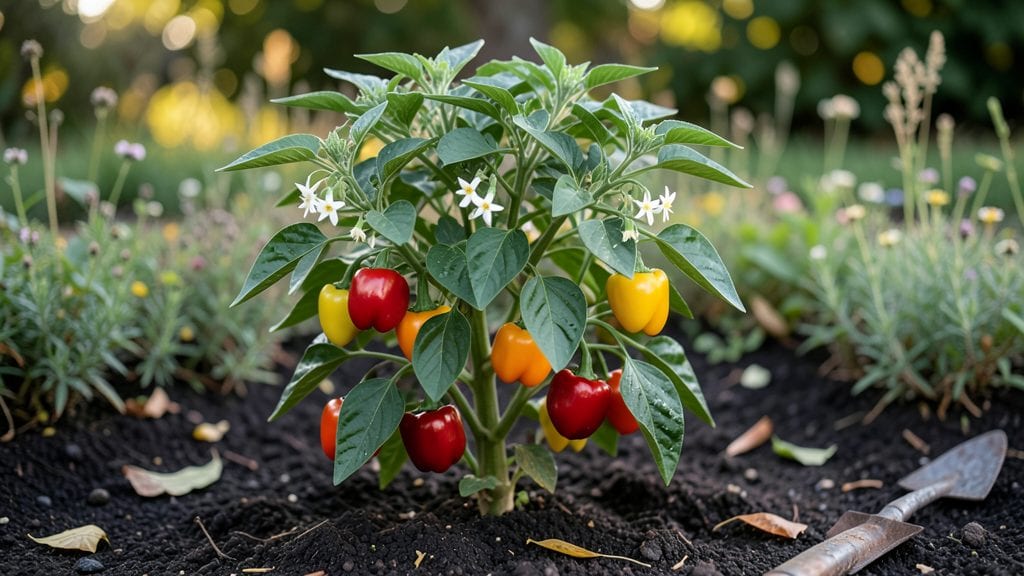
The Lesya pepper plant delivers shockingly productive harvests in just 2 square feet of space—something I never expected from a pepper bush. 🌱 I grew mine last summer, and by August, I had enough peppers to share with neighbors, all from a single compact plant that barely reached 2 feet tall.
This isn’t your typical sprawling pepper—it’s a bush that punches well above its weight, perfect for small gardens, balconies, or even containers.
Here’s the beauty: Lesya peppers thrive in full sun to partial shade, making them adaptable for different climates. They love well-draining soil with a pH between 6.0 and 7.0, and watering should be consistent but not soggy—think 1 inch per week, adjusting for rain.
The real game-changer? This variety keeps producing throughout the season, often into fall, and even a light frost won’t stop it if you bring it indoors.
You’ll harvest small, sweet, and slightly tangy peppers that mature from green to red, perfect for fresh eating or cooking. The plants resist common pepper diseases better than most varieties, and pests rarely touch them—though you’ll still want to watch for aphids.
With proper care, you could end up with dozens of peppers per plant, far more than you’d expect from such a compact bush.
Best of all, Lesya peppers are beginner-friendly—they forgive minor mistakes better than fussy heirlooms. Whether you’re working with a windowsill garden or a backyard plot, this variety proves you don’t need space to grow a serious harvest. Ready to try it?
📚 In This Guide
- What you need
- Instructions
- Tips and common mistakes
- Wrapping up and next steps
What you need
- ● Lesya pepper seeds or seedlings: Start with 1–3 plants (or 10–15 seeds if growing from scratch). Choose a reputable supplier for high-quality, disease-resistant varieties.
- ● Containers or garden bed: Containers: 5–7 gallon pots (at least 12–18 inches deep) with drainage holes. Use 1–2 pots per plant.
- ● Garden bed: A sunny spot (6+ hours of sunlight) with well-draining soil. Space plants 18–24 inches apart.
- ● Potting mix: 5–10 gallons of high-quality, well-draining potting soil (e.g., a mix of peat moss, perlite, and compost). Avoid garden soil—it can compact and retain too much moisture.
- ● Fertilizer: Balanced fertilizer (10-10-10 or 20-20-20) for seedlings.
- ● Low-nitrogen, high-phosphorus fertilizer (e.g., 5-10-10) for flowering and fruiting stages.
- ● Watering can or hose with a gentle spray nozzle: Avoid soggy soil—Lesya peppers prefer consistent moisture but hate waterlogged roots.
- ○ Support structure (optional but recommended): Small stakes, cages, or trellises to support the plant as it grows (especially if indoors or in windy areas).
- ● Grow lights: LED or fluorescent lights for indoor growing (12–16 hours of light daily).
- ● Soil moisture meter: Ensures you’re watering at the right times without overdoing it.
- ● Mulch: Straw or shredded leaves to retain moisture and regulate soil temperature.
- ● Pruning shears: For trimming excess leaves or shaping the plant.
- ● Pest control: Neem oil or insecticidal soap (preventative measure for aphids or spider mites).
- ● Calcium supplement (e.g., crushed eggshells or lime): Helps prevent blossom-end rot.
Step-by-Step instructions for cultivating a thriving Lesya pepper plant
Here’s how to coax this compact, high-yielding pepper variety into producing year-round with minimal fuss.
🌱 Step 1: Select the Perfect Container and Soil Mix
Lesya peppers love warmth and drainage, so choose a 5-gallon fabric pot or 12-inch clay container with drainage holes—this prevents root rot while keeping roots snug. I always fill it with a blend of 60% premium potting mix and 40% coco coir for aeration. The coco coir holds moisture without suffocating roots, which is critical for peppers that hate soggy feet.
Mix in 1 cup perlite to create air pockets and 1 tablespoon balanced fertilizer (10-10-10) for an immediate nutrient boost. Tap the container gently to settle the mix, then water until moisture runs freely from the drainage holes. Let it drain completely before planting—this ensures roots start in a well-aerated environment.
☀️ Step 2: Plant and Position for Maximum Sun Exposure
Dig a hole twice as wide as the Lesya pepper’s root ball but only 1 inch deeper than its current level. Gently remove the plant from its nursery pot, loosen the roots if they’re circling, and place it in the hole. Fill around the base with soil, pressing lightly to eliminate air gaps. The key here is to keep the plant at the same depth it grew at—burying the stem too deep can cause rot.
Lesya peppers thrive in full sun (6-8 hours daily), so position your container on a south-facing patio, balcony, or windowsill. If you’re growing indoors, supplement with a grow light 6 inches above the plant for 14 hours daily. Watch for leaves stretching toward the light—this is your cue to adjust the light’s position or increase natural sunlight exposure.
💧 Step 3: Water Deeply and Maintain Consistent Moisture
Water Lesya peppers at the base using 1 cup of water every 2-3 days, adjusting for temperature and humidity. The goal is to keep the soil evenly moist but not waterlogged—peppers are drought-tolerant once established, but they’ll reward you with better fruit if you maintain steady moisture. Stick your finger 1 inch into the soil; if it feels dry, it’s time to water.
Mulch the surface with 1 inch of shredded bark to retain moisture and regulate soil temperature. Avoid wetting the leaves when watering—this prevents fungal diseases like powdery mildew. If you notice yellowing leaves, it’s often a sign of overwatering or poor drainage. Adjust your watering schedule and ensure excess water drains freely.
✂️ Step 4: Prune for Bushier Growth and Bountiful Harvests
Lesya peppers are compact but benefit from light pruning to encourage branching and fruit production. Once the plant reaches 12 inches tall, pinch off the tips of the main stems just above a set of leaves. This redirects energy to lateral branches, resulting in more peppers. Remove any yellow or diseased leaves immediately with clean pruning shears to prevent spread.
Support the plant with a small cage or stake as it grows—Lesya peppers can get top-heavy with fruit. Harvest peppers when they reach 3-4 inches long for the best flavor. Regular harvesting encourages the plant to produce more, so check for ripe peppers every 3-5 days. Store harvested peppers in a cool, dry place for up to 2 weeks.
🌿 Step 5: Fertilize and Overwinter for Year-Round Productivity
Feed your Lesya pepper every 4-6 weeks with ½ teaspoon of balanced fertilizer dissolved in water. Switch to a low-nitrogen, high-phosphorus formula (5-10-10) when flowers appear to boost fruit production. In cooler months, reduce fertilization to every 8-10 weeks and cut watering back slightly—peppers go semi-dormant in winter but can still produce with minimal care.
To overwinter, move the plant to a cool but bright location (50-60°F) and reduce watering. Prune back any dead or damaged growth, and resume regular care in spring. With this approach, your Lesya pepper can keep producing for years, giving you a steady supply of sweet, compact peppers no matter the season.
Tips & tricks for perfect Lesya pepper plant cultivation
Here's what I've learned after growing Lesya peppers for years—the little details that make all the difference between a struggling plant and a prolific pepper bush.
The Container Game-Changer: While 5-gallon fabric pots and 12-inch clay containers work perfectly, I've found that adding 2-3 small drainage holes on the sides (if your container doesn't have them) prevents waterlogging while still allowing excellent drainage. This is especially helpful for Lesya peppers, which hate soggy roots but need consistent moisture. The coco coir mix in Step 1 works wonders—just make sure to fluff it gently after adding perlite to avoid compacting the soil too much.
Lighting Secrets for Indoor Growers: That 14-hour daily light requirement in Step 2 is non-negotiable for indoor success. I use a full-spectrum LED grow light on a timer, but here's the pro move: position it so the light just grazes the top leaves. This creates a more even canopy growth rather than letting the plant stretch toward one light source. Rotate your container quarter-turn daily to ensure all sides get equal light exposure—this prevents lopsided growth and maximizes pepper production.
Watering Wisdom: The 1-inch soil moisture check in Step 3 is your best friend, but here's what nobody tells you: water in the morning rather than evening. This gives excess moisture time to evaporate through the day, reducing fungal risks. I've also noticed that Lesya peppers actually develop slightly thicker cell walls when watered consistently this way, making them more resistant to cracking when they fruit. And if you see those telltale brown spots on leaves after watering, you're likely wetting the foliage—aim for the soil base only.
Pruning Payoff: When you reach the 12-inch pruning point in Step 4, look for those little side shoots forming at the leaf axils—they're your future pepper producers! I've found that pinching these stems just above the third leaf (not the first set) gives you more robust lateral branches. And here's a bonus: save those pruned tips! Place them in water for a few days—they'll root and become new plants you can transplant later.
Pro Tips for Lesya Pepper Plant
- Here's what I've learned after growing Lesya peppers for years—the little details that make all the difference between a struggling plant and a prolific pepper bush.
- This is especially helpful for Lesya peppers, which hate soggy roots but need consistent moisture.
- Lighting Secrets for Indoor Growers: That 14-hour daily light requirement in Step 2 is non-negotiable for indoor success.
Frequently asked questions
How often should I water my Lesya pepper plant?
The Lesya pepper thrives with consistent moisture—water when the top inch of soil feels dry. Avoid soggy roots by ensuring pots have drainage holes. In hot climates, water daily in the morning; cooler months may only need watering every 2–3 days. Pro tip: Mulch helps retain moisture and prevents soil splashes on leaves!
When will my Lesya peppers start producing?
With proper care, you’ll see first peppers in 60–75 days from transplanting. Early blooms may drop if stressed—ensure full sun (6+ hours/day), balanced fertilizer (like 10-10-10), and consistent watering. Lesya’s compact size means it focuses energy on fruit, so prune excess leaves to boost yield.
Can I grow Lesya peppers indoors?
Place your plant near a south-facing window or under grow lights (12–16 hours/day). Use a 5–7 gallon pot with well-draining soil. Watch for leggy growth (a sign of light deprivation) and rotate the pot weekly for even exposure. Bonus: Indoor peppers love humidity—try a pebble tray or misting!
Why are my Lesya pepper leaves turning yellow?
Yellow leaves usually signal overwatering, nutrient deficiency, or pests. Check the roots—if mushy, reduce watering. For yellowing edges, add iron or magnesium (Epsom salt spray helps!). Inspect undersides for aphids or spider mites; treat with neem oil or insecticidal soap if needed. Preventative tip: Space plants for airflow!
Are Lesya peppers spicy? How can I reduce heat?
Lesya peppers are mildly sweet (Scoville ~500–1,000 SHU), but heat varies by growing conditions. To lower spice levels, ensure the plant gets plenty of sunlight and water—stress increases capsaicin. Harvest when fully colored but still firm for the best flavor. Fun fact: Overripe peppers can get spicier, so pick them promptly!
Wrapping up and next steps
Growing a Lesya pepper plant is a rewarding journey that brings bold flavors and vibrant greenery to your garden—no matter the season! With its compact size and prolific harvests, this pepper variety proves that big rewards come in small packages.
Whether you're a seasoned gardener or just starting, the key is patience, proper care, and a little creativity.
Ready to spice up your space? Start small—plant one Lesya pepper today and watch your confidence (and harvest!) grow! 🌱 Next, explore companion planting or experiment with drying or pickling your peppers to unlock even more culinary magic. Happy growing! 🌶️✨