Picking
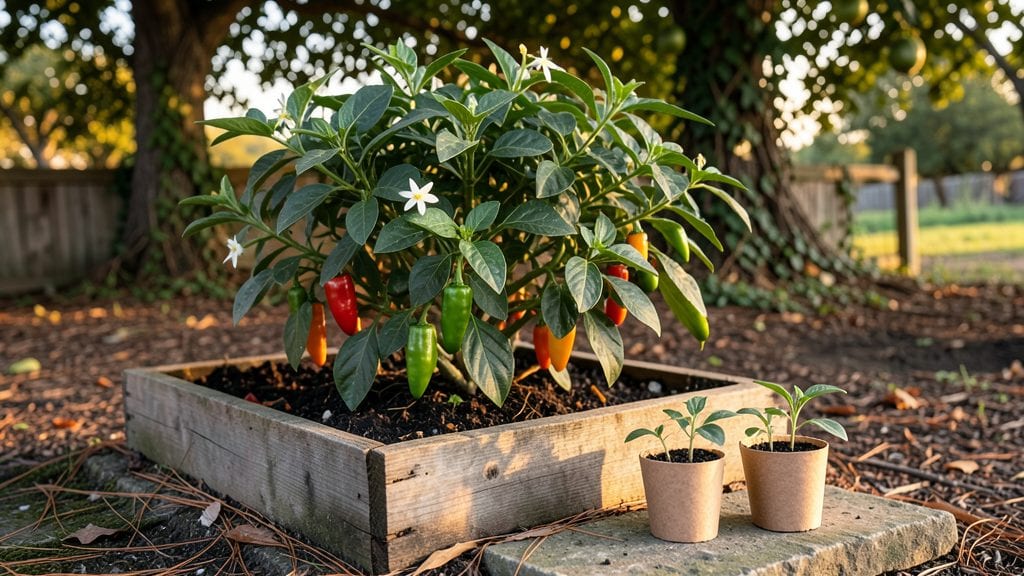
Planting habanero peppers starts with the right timing and a little heat tolerance—because these little dynamos refuse to grow in cool soil. 🌱 I learned this the hard way when my first batch took forever to sprout because I planted too early in the season.
The key is waiting until nighttime temperatures stay above 55°F consistently, usually 2-3 weeks after your last frost date when the ground warms up.
You’ll need a spot that gets full sun (at least 6-8 hours daily) and well-draining soil mixed with compost to feed their hungry roots. Habaneros hate soggy feet, so raised beds or containers with drainage holes work wonders if your soil stays damp.
Most gardeners swear by starting seeds indoors 8-10 weeks before transplanting, but if you’re using seedlings, pick sturdy ones with dark green leaves and no yellowing—those weak, leggy plants are trouble.
Once planted, keep the soil moist but not soggy (about 1 inch of water per week) and mulch around the base to lock in warmth. The first 2-3 weeks are critical—too much water or shade, and you’ll end up with stunted plants that barely produce.
But get it right, and you’ll see those telltale red or orange flower buds by midsummer, signaling a harvest of fiery peppers by fall.
Here’s the secret no one tells you: habaneros thrive on neglect after they establish. Let the soil dry slightly between waterings, and watch them reward you with bold, heat-packed harvests that’ll make your neighbors jealous. Just don’t touch your eyes after handling them—trust me, the sting lasts.
📚 In This Guide
- What you need
- Instructions
- Tips and common mistakes
- Wrapping up and next steps
What you need
- ● Habanero pepper seeds – Choose a heat-tolerant variety (e.g., 'Carolina Reaper,' 'Red Savina,' or 'Orange Habanero'). Start with 5–10 seeds for a small harvest or 20+ seeds for a bountiful crop.
- ● Well-draining potting mix – 5–10 gallons of a seed-starting mix (or a blend of 60% peat moss, 30% perlite, and 10% vermiculite). Avoid garden soil—it’s too dense!
- ● Containers or seed trays – 4–6 inch pots (1 per seedling) or 1020 seed trays with drainage holes. 3–5 containers should suffice for beginners.
- ● Grow lights or sunny windowsill – Habaneros need 12–16 hours of light daily. A LED grow light (12–15 watts per square foot) works best if natural light is limited.
- ● Watering can with a fine rose – Keeps soil moist without disturbing seeds. 1–2 gallons of water per week (adjust for climate).
- ● Fertilizer – A balanced, water-soluble fertilizer (e.g., 10-10-10 or 5-5-5) or compost tea for organic growth. Start with 1 tbsp per gallon of water every 2–3 weeks.
- ● Transplanting pots (5–6 inch) – Once seedlings sprout, upgrade to 5–6 inch pots with fresh potting mix. 3–5 pots per seedling.
- ● Support stakes or cages – Habaneros grow 2–4 feet tall. Use 3–4 foot bamboo stakes or tomato cages (1 per plant).
- ● Pruning shears – For trimming leggy stems or dead leaves. Bypass pruners work best.
- ● pH testing kit – Habaneros thrive in pH 6.0–7.0. A digital pH meter or test strips help monitor soil.
- ○ Heat mat (optional) – Speeds up germination if your space is cool (70–85°F ideal). 12x24 inch mat suffices.
- ● Mulch (straw or black plastic) – Retains moisture and regulates soil temp. 1–2 inches around plants.
- ● Pest control (neem oil or insecticidal soap) – Preemptive strike against aphids or spider mites.
Step-by-step instructions for growing habanero peppers
Mastering habanero culture means balancing heat, humidity, and precision—here’s how to grow fiery plants that thrive.
🌱 Step 1: Start Seeds Indoors at the Right Time
Habaneros need a long, warm season, so begin seeds 8-10 weeks before your last frost date. Use the seed-starting mix in your clean 2-inch-deep seedling trays, filling cells to 1 inch below the rim. Press the mix down gently—just firm enough to hold seeds in place without compacting.
Plant 2-3 seeds per cell at a depth of ¼ inch, since habaneros germinate best in warm, shallow soil. Cover lightly with a sprinkle of mix, then mist the surface until evenly moist. I like to label each tray with the variety and date—habaneros take 75-90 days to mature, and tracking helps avoid confusion.
💧 Step 2: Provide Warmth and Humidity for Germination
Habaneros germinate best at 75-85°F, so place the tray on a seedling heat mat or in a warm spot like on top of the fridge. Cover with a clear plastic dome or plastic wrap to retain moisture and warmth. Check daily but avoid watering—condensation inside the dome keeps humidity high enough.
Germination typically occurs in 10-14 days, but don’t be surprised if it takes longer in cooler homes. Once 50% of seeds sprout, remove the dome immediately to prevent damping-off. Thin to the strongest seedling per cell, snipping the others at the soil line with scissors.
☀️ Step 3: Harden Off and Transplant After Warmth Arrives
Two weeks before your last frost, begin hardening off seedlings by placing them outside in a sheltered spot for 1-2 hours daily. Gradually increase exposure over 10-14 days, watching for leggy growth—a sign they need more light. Habaneros thrive in full sun (6-8 hours daily), so choose a warm, sunny location.
Transplant after all danger of frost has passed and soil temperatures reach 70°F+. Dig holes slightly larger than the root ball, place seedlings in, and firm soil around the base. Space plants 18-24 inches apart—habaneros need room to sprawl. Water deeply at transplanting to settle the soil and reduce shock.
🌿 Step 4: Maintain Heat and Fertility for Maximum Yield
Habaneros crave warmth and consistent moisture. Water at the base 1-2 inches deep when the top inch of soil feels dry, avoiding wetting leaves to prevent disease. Use the balanced fertilizer every 3-4 weeks once flowers appear, but reduce nitrogen after fruiting begins—too much greenery steals energy from peppers.
Watch for first true leaves to appear, then monitor for yellowing or wilting, which signals overwatering or nutrient stress. Prune suckers (side shoots) to direct energy upward, but leave some foliage for shade—habaneros produce best in partial shade during peak summer heat.
✂️ Step 5: Harvest and Handle Peppers Safely
Habaneros mature in 75-90 days, turning from green to red, orange, or yellow depending on the variety. Harvest when peppers reach 3-4 inches long and feel firm—waiting too long reduces heat intensity. Wear gloves when handling, as the oils can irritate skin.
Cut stems with pruners to avoid damaging the plant, then store peppers in a cool, dry place. For long-term storage, dry or freeze them immediately—fresh habaneros lose heat quickly. I like to save seeds from the hottest peppers to grow next year’s batch, ensuring consistent bold flavor.
Tips & tricks for perfect habanero pepper planting
A few strategic adjustments can transform your habanero harvest from modest to spectacular—here's what I've learned after years of growing these fiery beauties.
Seed Starting Precision: The 8-10 week indoor start time is non-negotiable for most climates, but don't rush the seed-starting mix preparation. Sift your mix through a fine mesh screen to eliminate large clumps—this creates the perfect airy environment habaneros crave for root development. I also add a sprinkle of perlite to improve drainage, which prevents the dreaded damping-off that can wipe out seedlings overnight.
Germination Environment: Those critical 75-85°F temperatures are essential, but don't rely solely on your heat mat. Place a small thermometer near the seed trays to monitor actual air temperature—many heat mats run cooler than advertised. If your home stays below 70°F, consider using a seedling heat cable instead. And remember: patience is key! Some seeds may take up to 21 days to germinate, especially if your home stays cool.
Transplanting Strategy: When transplanting after soil reaches 70°F+, focus on the root ball. Gently squeeze the seedling tray to encourage roots to spread outward—this helps establish stronger plants. I also water the day before transplanting to reduce shock, and always transplant in the late afternoon when temperatures are cooler. This gives seedlings a better chance to settle in before nightfall.
Fertility Management: The 3-4 week fertilizer schedule works well, but switch to a low-nitrogen, high-phosphorus formula once flowers appear. Too much nitrogen after flowering diverts energy to foliage instead of fruit production. I've found that a balanced 5-10-10 fertilizer at half strength gives the best results without burning delicate habanero plants.
Pro Tips for Habanero Pepper Planting
- A few strategic adjustments can transform your habanero harvest from modest to spectacular—here's what I've learned after years of growing these fiery beauties.
- Seed Starting Precision: The 8-10 week indoor start time is non-negotiable for most climates, but don't rush the seed-starting mix preparation.
- Germination Environment: Those critical 75-85°F temperatures are essential, but don't rely solely on your heat mat.
Frequently asked questions
Got questions about growing habanero peppers?
You’re not alone—these fiery plants can be tricky! Here are answers to the most common queries to help you cultivate a successful (and spicy!) harvest.
When is the best time to plant habanero peppers?
Habaneros thrive in warm soil (at least 70°F/21°C) and need 60–90 days of frost-free weather. Start seeds indoors 8–10 weeks before your last frost date, then transplant seedlings after all danger of frost has passed and soil temps are consistently warm. If your climate is hot year-round, plant in early spring for a summer harvest.
How much heat and sunlight do habanero plants need?
Habaneros are sun-worshippers—they need 6–8 hours of direct sunlight daily and consistent warmth (ideal temps: 75–90°F/24–32°C). If temps drop below 60°F (15°C), growth slows or stops. Use row covers or shade cloth in extreme heat (above 95°F/35°C) to protect plants from stress or sunburn.
Can I grow habaneros in containers, and what size pot do I need?
Habaneros adapt well to containers if given enough space. Use pots at least 12–18 inches deep and wide (bigger is better for root growth). Ensure pots have drainage holes and fill with well-draining potting mix. Place containers in a sunny spot and fertilize regularly, as container-grown plants deplete nutrients faster.
Why aren’t my habanero peppers fruiting, and how can I fix it?
If your habaneros aren’t producing peppers, check these common issues:
- Insufficient sunlight: Move plants to a sunnier spot or supplement with grow lights.
- Temperature stress: Habaneros need consistent warmth—avoid planting too early or in cool climates.
- Lack of fertilization: Feed plants with a balanced fertilizer (10-10-10) every 3–4 weeks once flowers appear.
- Overwatering or poor drainage: Ensure soil stays evenly moist but not soggy.
If flowers drop without fruiting, it may also signal pollination issues—gently shake plants or use a small brush to transfer pollen.
Are there milder habanero varieties for beginners?
Yes! If you love the flavor but want less heat, try these lower-scoville habanero varieties:
- ‘Carolina Reaper’ (milder than the original) – ~50,000–150,000 SHU (vs. 100,000–350,000 for classic habaneros).
- ‘Rocoto’ or ‘Aji Rocoto’ – Sweeter with a medium kick (~50,000–100,000 SHU).
- ‘Cocina Habanero’ – A hybrid with a fruitier, slightly milder taste.
For almost no heat, consider ‘Sweet Banana Pepper’ or ‘Poblano’, which are unrelated but offer a habanero-like shape with zero spice!
Wrapping up and next steps
Planting habanero peppers is a rewarding journey that blends patience, passion, and a love for fiery flavors! 🌶️ With the right soil, sunlight, and care, you’ll soon be harvesting vibrant, heat-packed peppers to spice up your dishes—or share with fellow spice enthusiasts.
Whether you’re a beginner or a seasoned gardener, every step you take brings you closer to a bold harvest that’s as satisfying as it is spicy.
Ready to take the next step? Start by sketching your garden layout or researching the best habanero varieties for your climate. Then, grab your gloves and get growing—your future meals (and taste buds) will thank you!