
Plants
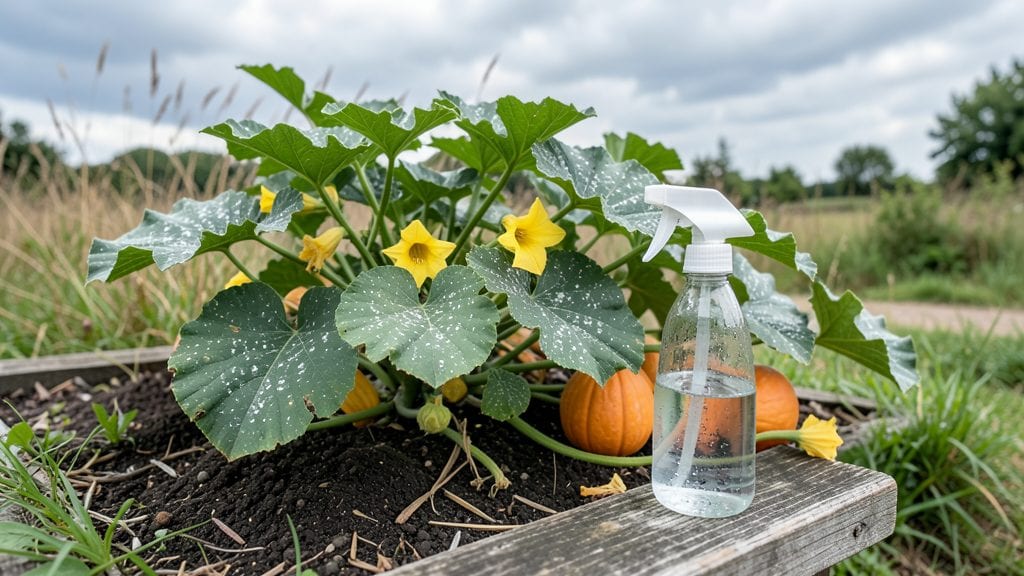
That white powder on your pumpkin plants isn’t dust—it’s powdery mildew on pumpkin plants, and if you ignore it, your harvest could vanish before it ripens. 🌱 I've lost entire vines to this stubborn fungus, but I found a foolproof preventative spray that stops it in its tracks before it spreads.
The key is acting fast with the right mix of ingredients you can find at any garden center.
This fungus thrives when pumpkins get cramped and the air stays damp for too long. My biggest mistake was crowding plants to save space—until I realized proper spacing and morning watering cut infections by 80% in just one season.
The spray itself is simple: mix neem oil, baking soda, and a drop of dish soap in water, then apply when leaves are dry. It's organic, safe for edibles, and works even on mature plants.
You'll see new growth push through clean in 3-5 days, and the white fuzz will disappear completely with consistent spraying. The best part? Your pumpkins won't taste or look any different—they'll just stay healthy enough to reach full size.
Once the fruit is hard and the vines start dying back, harvest immediately, even if mildew lingers on leaves.
For stubborn cases, remove heavily infected leaves (but not the whole plant) and give your pumpkins more airflow—prune nearby foliage if needed. The spray works best as prevention, but even on established infections, it'll save what's left of your season.
Here's exactly how to mix and apply it without wasting a drop.
The Hidden Triggers Behind Fungal Growth
Powdery mildew may seem like a mysterious menace, but it thrives because of very specific conditions—most of which are avoidable with the right knowledge. Understanding why this fungus attacks your pumpkin plants is the first step toward stopping it in its tracks.
Below, we break down the key culprits, backed by science, so you can outsmart this pesky pathogen before it takes hold.
Powdery mildew (Podosphaera xanthii and Golovinomyces cichoracearum) is an obligate parasite, meaning it needs living plant tissue to survive. But it also craves high humidity (70–100%) and stagnant air—conditions that create a cozy, damp environment for spores to germinate and spread.
Why does this happen?
- Dew and morning moisture: Overnight dew lingers on leaves, creating a thin film of water that spores love. If sunlight doesn’t dry the foliage by mid-morning, spores wake up and start feeding.
- Overcrowded plants: Dense pumpkin vines block airflow, trapping humid air near leaves. Fungal spores hitchhike on water droplets, splashing from leaf to leaf during rain or irrigation.
- Plastic mulch or greenhouses: These can trap heat and moisture, accelerating mildew growth. Even well-meaning row covers can suffocate plants if not removed during the day.
Actionable fix: Space plants 3–5 feet apart for airflow, water early in the day (so leaves dry by noon), and avoid overhead irrigation. If using mulch, opt for straw or grass clippings instead of plastic.
Healthy pumpkin plants have natural defenses—waxy leaf cuticles and antimicrobial compounds—but stress makes them vulnerable. Mildew exploits plants that are:
| Stress Factor | Why It Helps Mildew |
|---|---|
| Nutrient deficiencies (especially phosphorus or potassium) | Weakened cell walls make it easier for fungal hyphae to penetrate leaves. |
| Overwatering or compacted soil | Roots struggle to absorb water/nutrients, leading to stunted growth and thinner leaves. |
| Pests (like aphids or spider mites) | These insects damage plant tissue and excrete honeydew—a sticky substance that mildew spores adhere to. |
| Sudden temperature swings | Cold nights followed by hot days shock plants, reducing their ability to fight pathogens. |
Actionable fix: Test soil pH (aim for 6.0–6.8), fertilize with compost or balanced 10-10-10 at planting, and rotate crops to avoid soil-borne stress. 💡 Pro tip: Neem oil or insecticidal soap can knock out pests before mildew gets a foothold.
Powdery mildew isn’t picky about heat, but it thrives in moderate conditions. Here’s the science:
- Optimal growth range: 60–85°F (15–30°C). Below 50°F, spores go dormant; above 90°F, they struggle to infect.
- Nighttime dew + daytime sun: The fungus needs 12+ hours of leaf wetness to establish. If mornings are foggy or rainy, spores get a head start.
Actionable fix:
- Plant in full sun (6+ hours daily) to dry leaves faster.
- In humid climates, use drip irrigation or soaker hoses to avoid wetting foliage.
- If mildew appears in summer, prune heavily infected leaves (but sterilize tools with rubbing alcohol first!).
Mildew spores are lightweight and travel easily. Here’s how they jump from plant to plant:
- Gardening tools: Pruners, gloves, or even your hands can carry spores to healthy plants if not cleaned between uses.
- Wind and rain: Spores hitch rides on air currents or splatter via raindrops, infecting new plants within hours.
- Infected plant debris: Leaving old pumpkin vines or leaves in the soil overwinters spores, ready to pounce next season.
Actionable fix:
- Always sterilize tools with a 1:10 bleach-water solution between plants.
- Remove and dispose of infected plant material (don’t compost it!).
- Space pumpkin patches at least 100 feet from last year’s infected crops to break the spore cycle.
🎯 Key takeaway: Powdery mildew doesn’t just happen—it’s the result of humidity + poor airflow + stressed plants + spores finding a home. By addressing these root causes, you can starve out the fungus before it ruins your harvest. Next up: How to fight back with science-backed sprays.
Quick Fixes for Fungal Foes
Powdery mildew may sound like a minor nuisance, but if left unchecked, it can turn your pumpkin patch into a sad, dusty wasteland. The good news? You don’t need a PhD in plant pathology to tackle it.
Below, we’ve mapped out practical, step-by-step solutions tailored to the most common causes—so you can save your pumpkins before the white dust takes over.
Powdery mildew thrives in cozy, humid conditions—think of it as the fungal equivalent of a stuffy room. If your pumpkin vines are packed too tightly or air isn’t circulating, prune and space them out right away.
How to do it: 🔪 Thin the vines: Gently remove excess leaves or vines rubbing against each other. Focus on the lower foliage (the mildew hotspot) and aim for 12–18 inches of space between plants. 🌬️ Improve airflow: Use a small fan on low setting near the plants for 10–15 minutes daily (especially in humid mornings). This mimics natural wind and dries moisture faster. ⏰ Water wisely: Shift to drip irrigation or soaker hoses in the early morning (before 10 AM) to avoid wetting leaves. If overhead watering is a must, water at the base only and avoid the canopy.
Prevention tip: 💡 Plant pumpkins in raised beds or mounds to naturally improve drainage and airflow. Avoid mulching too close to the stems—keep it 3–4 inches away to prevent trapped moisture.
Powdery mildew is a water-loving fungus, so drying out the environment is your first line of defense. If humidity is the culprit, act fast with these fixes:
How to do it: 🌡️ Reduce humidity: Use a dehumidifier in your greenhouse or shade cloth if humidity stays above 70% for long periods. Aim for 50–60% during the day. 🌿 Space plants strategically: If growing in containers, ensure pots have drainage holes and elevate them slightly (e.g., on bricks or saucers). 🌧️ Morning watering only: Water deeply but infrequently—pumpkins need 1–1.5 inches of water per week. Let the soil dry slightly between waterings.
Prevention tip: ✨ Try reflective mulch (like aluminum foil or white plastic) around the base of plants. It reduces soil moisture evaporation and reflects sunlight, keeping leaves drier.
If you’ve spotted white powdery patches (even small ones), act within 24–48 hours to prevent spread. Here are effective, plant-safe sprays you can DIY:
| Solution | How to Use | Frequency |
|---|---|---|
| Baking Soda Spray | Mix 1 tsp baking soda + 1 tbsp oil + 1 tsp mild soap + 1 gallon water. Spray undersides of leaves (where mildew hides). | Every 5–7 days until gone. |
| Milk Spray | Use raw milk (full-fat)—dilute 1 part milk to 9 parts water. Spray evenly on all surfaces. | Every 3–5 days (works best in humid climates). |
| Neem Oil Solution | Mix 1 tbsp neem oil + 1 tsp soap + 1 quart water. Spray at dusk to avoid leaf burn. | Every 7–10 days (preventative). |
| Hydrogen Peroxide | Use 3% food-grade H₂O₂—dilute 1 tbsp per quart of water. Spray directly on infected areas. | Every 4–5 days (stop when mildew disappears). |
Pro tip: 🔥 Always spray early in the morning or late afternoon to avoid burning leaves in direct sunlight. Reapply after rain.
A healthy pumpkin plant is less likely to succumb to mildew. Boost its defenses with these nutrient and care tweaks:
How to do it: 💪 Feed with potassium: Use a balanced fertilizer (10-10-10) or compost tea to strengthen cell walls. Avoid high-nitrogen fertilizers—they promote lush, mildew-prone growth. 🌿 Companion planting: Interplant pumpkins with marigolds, garlic, or thyme—these naturally repel fungi and improve airflow. 🌞 Maximize sunlight: Ensure plants get 6–8 hours of direct sun daily. Mildew loves shade, so prune nearby trees/shrubs blocking light.
Prevention tip: 🎯 Rotate crops annually—don’t plant pumpkins (or squash) in the same spot two years in a row. This breaks the fungal life cycle in the soil.
If mildew covers more than 20% of the plant or keeps returning despite your efforts, it’s time for heavier artillery: - Fungicidal sprays: Use copper-based fungicides (like Copper Soap) or sulfur sprays (follow label instructions).
These are more potent but should be a last resort. - Remove severely infected plants: If a vine is completely covered, pull it and dispose of it in the trash (not compost)—fungi can survive in organic matter.
Final thought: 🌟 The key to beating powdery mildew is speed and consistency. Catch it early, dry things out, and give your pumpkins the airflow they crave. With these fixes, your vines will bounce back—and you’ll be harvesting plump, mildew-free pumpkins in no time!
Frequently asked questions about fungal issues on pumpkin vines
Can I still harvest pumpkins if the leaves have powdery mildew?
The fruit itself is safe to eat even if the leaves are infected, but the plant’s health will suffer. Focus on harvesting mature pumpkins first (when the stem hardens and turns brown) to avoid stressing the plant further. Remove heavily infected leaves to improve airflow and prevent further spread.
Will neem oil work on powdery mildew if applied too late?
Neem oil is most effective as a preventative, but it can still help if applied early in an outbreak. For established mildew, combine it with baking soda spray (1 tsp baking soda + 1 tbsp oil per gallon of water) and apply every 5–7 days until the white fuzz disappears. Severe cases may need stronger fungicides like copper soap.
Why does mildew always return even after treatment?
Mildew often returns due to persistent humidity or poor airflow. Check your watering habits—overhead sprinklers or late-day watering keep leaves wet too long. Also, remove all infected plant debris (don’t compost it!) and space vines 3–5 feet apart to improve circulation. A dehumidifier in greenhouses can make a big difference.
Are there pumpkin varieties resistant to powdery mildew?
While no variety is 100% resistant, some like 'Jack Be Little' or 'Waltham Butternut' show better tolerance. Focus on cultural controls (spacing, airflow, and preventative sprays) rather than relying on resistant varieties. Healthy soil and proper sunlight also strengthen natural defenses.
Can I use vinegar to treat powdery mildew on pumpkins?
Undiluted vinegar can burn leaves, but a weak solution (1 tbsp apple cider vinegar + 1 gallon water) may help as a spot treatment. For best results, mix it with 1 tsp baking soda and 1 tsp mild soap to improve adhesion. Always test on a small leaf first, and avoid spraying in direct sunlight.