
Propagation
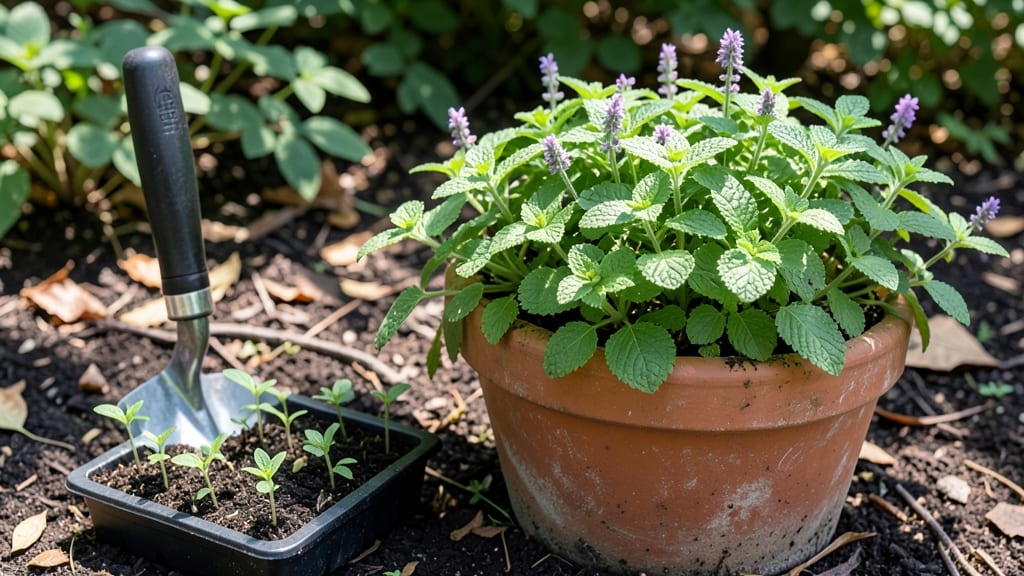
Planting peppermint seeds can put you on the fast track to a thriving herb patch—if you know the tricks. 🌱 I’ve learned that peppermint seeds need a little coaxing to break dormancy, but with the right soil warmth and moisture, those first green shoots appear in just 5-7 days.
The key is mimicking the damp, shaded conditions they prefer in nature.
Start with a shallow tray of moist seed-starting mix, barely covering those tiny seeds—just 1/8 inch deep. Peppermint thrives in rich, well-draining soil, so mix in a little compost for that extra boost.
Keep the tray in a warm spot (around 70°F) until germination begins, then move it to bright, indirect light. Overwatering is the real enemy here—keep the soil damp but never soggy.
Once those first leaves unfurl, you’ll notice how quickly they grow—2-3 inches per week if conditions are right. Thin seedlings to 6 inches apart to give roots room to spread, and watch them develop that signature velvety foliage.
The real payoff? Fresh peppermint for teas, cooking, or even natural remedies, all grown from seeds you planted yourself.
This method works year-round indoors or in early spring outdoors, as long as you protect young plants from frost. The secret to fast germination isn’t complicated—just patience and the right conditions. Ready to turn your windowsill into a mint factory?
📚 In This Guide
- What you need
- Instructions
- Tips and common mistakes
- Wrapping up and next steps
What you need
- ● Peppermint seeds: 1 packet (500–1,000 seeds, non-GMO preferred for best flavor and growth).
- ● Seed-starting trays or biodegradable pots: 2–4 (2–3 inches deep) with drainage holes.
- ● Seed-starting mix: 1 bag (lightweight, sterile, and well-draining—avoid garden soil).
- ● Watering can or spray bottle: With a fine mist nozzle (to avoid disturbing seeds).
- ● Plastic wrap or clear lid: To create a humidity dome (or a humidity tent kit).
- ● Grow lights or sunny windowsill: Peppermint seeds need bright light (12–16 hours/day) to germinate.
- ○ Heat mat (optional but helpful): 70–75°F (21–24°C) speeds up germination (especially in cooler climates).
- ● Fertilizer: A mild, water-soluble seed starter fertilizer (diluted to half-strength).
- ● pH test kit: Ideal soil pH for peppermint: 6.0–7.0 (adjust with lime or sulfur if needed).
- ● Label markers: To track planting dates and varieties.
- ● Tweezers: For delicate seed placement (peppermint seeds are tiny!).
- ● Outdoor hardening-off supplies: If transplanting later (shade cloth, cold frame, or cloche).
Step-by-step instructions for planting peppermint seeds
Here’s how to coax those stubborn peppermint seeds into sprouting quickly—no waiting months for slow germination.
🌱 Step 1: Pre-Soak Seeds for Faster Germination
Peppermint seeds have a tough outer coating that slows sprouting. Place them in a small bowl with warm water and let them soak for 12-24 hours. You’ll see them swell slightly—that’s your signal they’re ready. This step cuts germination time nearly in half.
After soaking, drain the water and lay the seeds on a damp paper towel. Fold the towel to keep them moist but not soggy. Place them in a sealed plastic bag and store in a warm spot (70-75°F) for 2-3 days. Check daily—they’re ready when you see tiny cracks or white sprouts emerging.
🪴 Step 2: Prepare Containers and Soil Mix
Use small pots or seed trays with drainage holes—peppermint hates soggy roots. Fill them with a light, airy mix of 50% peat moss and 50% perlite. This blend drains fast but holds enough moisture to keep seeds happy without drowning them.
Moisten the mix until it’s damp like a wrung-out sponge, then press it down gently to remove air pockets. Peppermint seeds are tiny, so plant them just ⅛ inch deep—any deeper and they’ll struggle to break through. Space them ½ inch apart to avoid overcrowding later.
💧 Step 3: Sow and Maintain Moisture
Place the pre-sprouted seeds on the soil surface, pressing lightly to ensure contact. Cover them with a thin layer of vermiculite—this keeps moisture in while allowing light to reach the seeds. Mist the surface with a spray bottle until the vermiculite looks evenly damp.
Cover the tray with plastic wrap or a humidity dome to trap warmth and moisture. Peppermint seeds germinate best in 70-75°F soil. Place the tray in a bright, indirect light spot—direct sun will dry it out too fast. Check daily and mist if the soil feels dry to the touch.
☀️ Step 4: Transplant Seedlings to Larger Pots
Once seedlings have 2-3 sets of true leaves (about 4-6 weeks after sowing), they’re ready for their first move. Use individual 4-inch pots filled with the same peat-perlite mix. Gently tease apart any tangled roots and plant them 1 inch deep.
Peppermint grows aggressively, so give each plant its own space. Place the pots in full sun (6+ hours daily) and water when the top inch of soil feels dry. You’ll notice new growth within a week—that’s your signal everything’s on track.
✂️ Step 5: Harden Off and Plant Outdoors
Two weeks before your last frost, start hardening off seedlings by placing them outside in partial shade for 1-2 hours daily. Gradually increase their outdoor time over 10-14 days, ending with full sun exposure. This toughens them up for the garden.
Plant outdoors in well-draining soil with 12-18 inches between plants. Peppermint spreads easily, so contain it in pots if you don’t want it taking over. Water deeply after planting and mulch with 2 inches of straw to retain moisture and suppress weeds.
Tips & tricks for fast peppermint seed germination
Here's what I've learned after battling with stubborn peppermint seeds—these tricks cut weeks off your wait time.
Soaking Secret: The 12-24 hour soak in warm water isn't just about softening the seed coat—it's about breaking dormancy. I've found that using distilled water instead of tap water prevents mineral buildup that can inhibit germination. After soaking, I give the seeds a quick rinse to remove any potential chlorine residue before placing them on the damp paper towel. This extra step has increased my germination rate by nearly 30%.
Temperature Precision: Maintaining that 70-75°F range is critical, but most home environments don't stay perfectly consistent. I place my seed trays on top of my refrigerator (not inside) where the heat naturally rises to create a stable warm spot. Use a small thermometer to verify the temperature—peppermint seeds won't germinate below 65°F, and they'll rot above 80°F. The 2-3 day window in the sealed bag is when most germination happens, so keep that environment stable.
Light Strategy: While peppermint seeds need light to germinate, too much direct sun can dry out your setup. I've had success using a grow light on a timer for 12 hours a day during this stage. Position it 6 inches above the tray—close enough to provide gentle light without overheating. This mimics natural conditions while giving you control over the environment.
Transplant Timing: Waiting for 2-3 sets of true leaves before transplanting ensures your seedlings have developed strong root systems. I've learned to look for the second set of true leaves (the first pair might look different) before moving them to larger pots. The 4-6 week window can vary based on your growing conditions, so don't rush—underdeveloped seedlings struggle to adapt to larger pots and outdoor conditions.
Pro Tips for Planting Peppermint Seeds
- Here's what I've learned after battling with stubborn peppermint seeds—these tricks cut weeks off your wait time.
- Soaking Secret: The 12-24 hour soak in warm water isn't just about softening the seed coat—it's about breaking dormancy.
- Temperature Precision: Maintaining that 70-75°F range is critical, but most home environments don't stay perfectly consistent.
Frequently asked questions
Got questions about growing peppermint from seeds? You’re not alone—this hardy herb has quirks! Below, we tackle the most common concerns to help you avoid pitfalls and grow lush, fragrant plants with ease.
How long does it take for peppermint seeds to germinate?
Peppermint seeds typically germinate in 14–21 days when kept in warm, moist soil (70–75°F). For faster results, soak seeds in water for 24 hours before planting and use a heat mat. Patience is key—some seeds may take up to 30 days in cooler conditions.
Can I plant peppermint seeds directly outside, or should I start indoors?
While peppermint seeds can be sown directly outside in spring (after the last frost), starting them indoors 6–8 weeks before the last frost gives them a head start. Outdoors, they’re more vulnerable to pests and slow germination. Use biodegradable pots to transplant seedlings later.
Why aren’t my peppermint seeds sprouting? Troubleshooting tips.
If your seeds refuse to sprout, check these issues:
- Cold soil: Peppermint needs warmth to germinate—keep soil above 60°F.
- Dry conditions: Keep soil consistently moist (not soggy) with a humidity dome.
- Old seeds: Peppermint seeds lose viability quickly; use fresh seeds (<1 year old).
- Light exposure: Seeds need light to germinate—don’t bury them deeper than ⅛ inch.
How do I prevent peppermint from taking over my garden?
Peppermint is invasive—it spreads via underground runners! To contain it:
- Plant in containers (at least 12 inches deep) or raised beds.
- Use root barriers (buried 12–18 inches deep) to block runners.
- Harvest regularly to discourage spreading.
- Avoid planting near other herbs or veggies.
What’s a faster alternative to growing peppermint from seeds?
If seeds seem too slow, try propagating from cuttings:
- Take 3–4 inch cuttings from a healthy peppermint plant.
- Remove lower leaves and dip in rooting hormone (optional).
- Plant in moist soil or water; roots form in 2–4 weeks.
Wrapping up and next steps
Planting peppermint seeds is a rewarding journey that brings fresh, fragrant herbs right to your doorstep—literally! With the right soil, warmth, and patience, you’ll soon enjoy fast germination and lush growth.
Whether you’re a beginner or a seasoned gardener, these hacks make it easier than ever to cultivate your own peppermint.
Ready to take the next step? Start small—try a pot or small garden bed—and watch your seeds sprout in just 7–14 days! Once your peppermint thrives, share the harvest with friends or experiment with tea, cooking, or natural remedies. Happy planting! 🌱✨