
Propagation
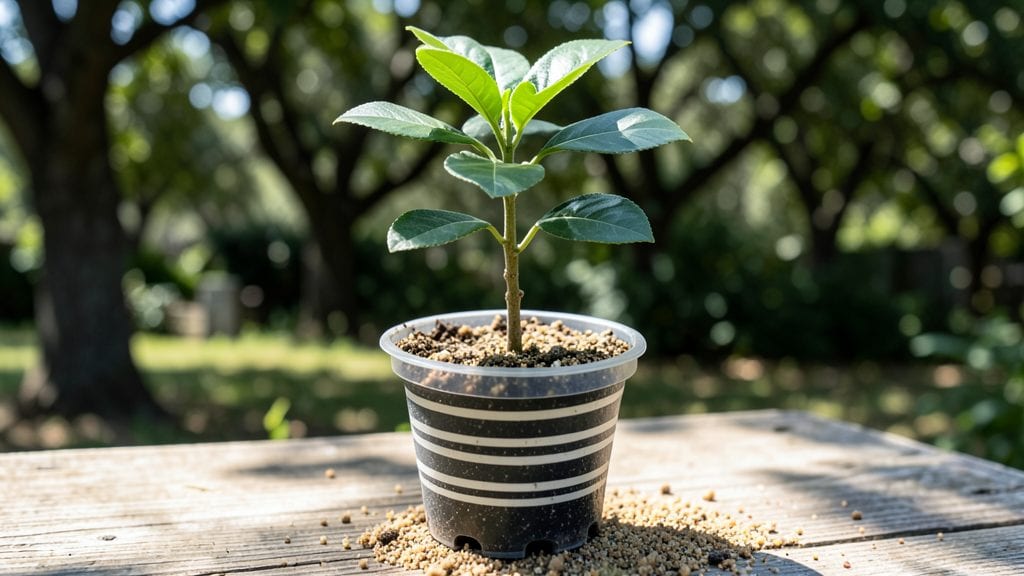
Planting germinated lemon seeds is where the real magic begins—turning a tiny sprout into a sunlit kitchen tree. 🌱 I’ve watched my own seedlings stretch toward the window, and with the right soil, light, and patience, yours can too.
The key isn’t forcing growth but giving it exactly what citrus roots crave: a snug home, just enough moisture, and a spot where sunlight kisses the leaves all day.
You’ll need a small pot with drainage, a mix of potting soil and perlite (to keep roots airy), and a sunny windowsill or grow light. Plant the sprout just below the soil line—no deeper than an inch—and keep it consistently moist but never soggy.
Most people overwater here, and that’s how you lose your seedling before it even gets tall. Within weeks, you’ll spot new leaves unfurling, proof that your tiny tree is settling in.
By month three, you’ll have a sturdy 6-inch sapling ready for its first pruning. The leaves will smell like sunshine, and the roots will tangle through the pot, eager to stretch. This is where the fun starts—moving it outdoors in summer or keeping it thriving indoors through winter.
The journey from seed to tree takes time, but every leaf is a step closer to real lemons on your counter.
Fair warning: citrus trees grow slow, and transplant shock is real if you rush it. But here’s the secret—patience pays off. My first seedling is now three years old, and it’s still my proudest kitchen plant. Let’s get yours started right.
📚 In This Guide
- What you need
- Instructions
- Tips and common mistakes
- Wrapping up and next steps
What you need
- ● Germinated lemon seeds – 1-3 seeds (freshness matters! Use seeds from organic, untreated lemons if possible).
- ● Small pots or seed trays – 3-4 inch diameter (with drainage holes). Tip: Plastic or biodegradable pots work great for easy transplanting later!
- ● Well-draining potting mix – A blend of 50% peat moss or coconut coir, 30% perlite or vermiculite, and 20% sand (sterilized). Avoid garden soil—it’s too dense!
- ● Spray bottle – For gentle watering (avoid over-saturating the seeds).
- ● Clear plastic wrap or humidity dome – To create a mini greenhouse effect.
- ○ Plastic wrap or ziplock bag – For sealing the humidity setup (optional but helpful).
- ○ Heat mat (optional but recommended) – Keeps soil warm (70-80°F) to speed up germination.
- ● Grow lights or sunny windowsill – A south-facing window or LED grow lights (12-16 hours/day) for seedlings.
- ● Fertilizer – A balanced, water-soluble fertilizer (5-5-5 or 10-10-10) diluted to half-strength for young seedlings.
- ● Humidity tray – A shallow tray with pebbles and water to maintain moisture levels.
- ● Plant labels – To track seedling progress (because future-you will thank present-you!).
- ● Pruning shears – For trimming leggy seedlings later.
- ● Larger pots (6-8 inches) – For transplanting once seedlings are 4-6 inches tall.
Step-by-Step instructions for planting germinated lemon seeds
Here's how to turn those sprout-filled seed pods into sturdy little trees.
🌱 Step 1: Prepare the Germinated Seeds for Planting
Start by gently removing your germinated lemon seeds from their growing medium—whether that's a damp paper towel or a small cup of water. You'll notice the tiny white roots already peeking out, signaling it's time to give them soil. Hold each seed by its flat side (not the pointed end) and tap off any excess moisture so the roots don't get waterlogged.
I always soak the roots for 10 minutes in a shallow dish of lukewarm water to ensure they're hydrated before planting. This helps prevent transplant shock. While they soak, fill your 4-inch pots with the 2 gallons of potting mix you've prepared—moisten it until it feels like a damp sponge but doesn't drip.
🪴 Step 2: Plant Each Seed at the Right Depth
Dig a hole in each pot that's 1-2 inches deep—about the length of your seed's root. Place the seed in with the pointed end facing upward (this is where the sprout will emerge). Cover it lightly with soil, pressing down just enough to hold it in place. The goal is to keep the seed snug but not buried too deep—lemon seeds need light to germinate properly.
Here's the thing—don't pack the soil too tightly. You want it loose enough for those delicate roots to spread out. I tap the pot gently on the table a few times to settle the soil without compacting it. Water lightly until the top inch feels moist, but avoid soaking the pot. Too much water now can cause the seeds to rot before they even sprout.
☀️ Step 3: Provide Warmth and Bright Light
Place your pots in a spot that stays between 65-75°F—a sunny windowsill or under a grow light works perfectly. Lemon seeds need warmth to germinate, so if your home runs cooler, consider using a seedling heat mat for the first 2-3 weeks. You'll see tiny green shoots emerge in 10-20 days, depending on your conditions.
Once the first true leaves appear (not the initial seed leaves), move the pots to a south-facing window or under bright artificial light for 12-14 hours daily. Without enough light, your seedlings will stretch tall and weak—a classic sign they're reaching for more sun. Rotate the pots a quarter turn weekly so they grow straight, not lopsided.
💧 Step 4: Water and Care for Young Seedlings
Water your lemon seedlings when the top inch of soil feels dry—usually every 3-5 days, depending on your home's humidity. Stick your finger in the soil to check; if it's dry past your first knuckle, it's time to water. Use room-temperature water and water at the base of the plant to avoid wetting the leaves, which can cause disease.
After 4-6 weeks, when your seedlings have 3-4 sets of true leaves, it's time to transplant them into 6-inch pots with fresh potting mix. Gently remove them from the small pots, keeping the root ball intact, and place them in the new containers. Water thoroughly after transplanting to help the roots settle in. This is when your little lemon trees start looking like real citrus!
✂️ Step 5: Prune and Support as They Grow
Once your lemon trees reach 12-18 inches tall, start pruning to encourage bushier growth. Pinch off the tips of the new growth just above a set of leaves. This might seem counterintuitive, but it tells the plant to focus on growing wider rather than just taller. I also remove any yellow or damaged leaves to keep the plant healthy and energy-focused.
By the time your lemon trees are 2-3 feet tall, they'll need support. I use small bamboo stakes or trellis frames to help them stay upright, especially if they're in a pot where wind can rock them. Keep them in full sun (at least 6 hours daily) and continue watering when the soil feels dry. With patience, you'll see flowers—and eventually, lemons—in 3-5 years!
Tips & tricks for planting germinated lemon seeds
Here's what I've learned from years of growing lemon trees from seeds—these tricks make all the difference between a thriving citrus plant and one that fizzles out.
Root Soaking Secret: That 10-minute root soak in lukewarm water isn't just a suggestion—it's crucial. I've seen roots dry out and fail to establish properly when skipped. Use a shallow dish with just enough water to cover the roots by about 1/4 inch. Too much water can drown them, while too little won't hydrate properly. After soaking, gently blot the roots with a paper towel before planting to remove excess moisture.
Planting Depth Matters: The 1-2 inch planting depth in Step 2 is perfect for lemon seeds. Planting too deep (more than 2 inches) can prevent sprouts from reaching light, while planting too shallow (less than 1 inch) can expose roots to drying. I make a small divot with my finger, place the seed with the pointed end up, then cover it with soil that's just slightly firmer than the surrounding mix—enough to hold it in place but not compacted.
Lighting Strategy: Those 12-14 hours of daily light in Step 3 are non-negotiable for strong seedlings. If your south-facing window doesn't provide enough light, supplement with a grow light placed just 2-3 inches above the plants. I've seen seedlings stretch painfully toward weak light sources—this "leggy" growth makes them weak and prone to falling over. Rotate your pots weekly so all sides get equal light exposure, preventing lopsided growth.
Transplanting Timing: Waiting until your seedlings have 3-4 sets of true leaves (Step 4) ensures they're strong enough to handle the move to 6-inch pots. I've made the mistake of transplanting too early, and the delicate root systems just couldn't recover. When transplanting, water the original pot thoroughly the day before to help loosen the root ball. Gently squeeze the sides of the pot to encourage the roots to stay together as you lift the seedling out.
Pro Tips for Plant Germinated Lemon Seeds
- Here's what I've learned from years of growing lemon trees from seeds—these tricks make all the difference between a thriving citrus plant and one that fizzles out.
- Root Soaking Secret: That 10-minute root soak in lukewarm water isn't just a suggestion—it's crucial.
- Planting Depth Matters: The 1-2 inch planting depth in Step 2 is perfect for lemon seeds.
Frequently asked questions
Got questions about growing lemon trees from seeds?
Here are answers to the most common ones—so you can troubleshoot like a pro and keep your citrus project thriving!
How long does it take for lemon seeds to germinate?
Most lemon seeds sprout within 2–4 weeks if kept in warm (70–85°F), moist conditions. Patience is key—some stubborn seeds may take up to 6 weeks. Use a heat mat or warm spot (like near a sunny window) to speed things up. Pro tip: If no sprouts appear after 6 weeks, the seed may not be viable—try a fresh one!
Why aren’t my germinated seeds sprouting leaves?
Don’t panic! A seedling with just a radicle (root) or shoot is normal—it needs time to develop. Once the shoot reaches 2–3 inches, true leaves (not the initial seed leaves) will emerge. Keep the soil moist but not soggy, and ensure bright, indirect light. If mold appears, reduce watering and improve airflow.
Can I plant lemon seeds directly in the ground outdoors?
Nope! Lemon seeds are tender and need a head start indoors. Start them in pots with well-draining soil, then transplant outdoors only after the last frost and when the seedling is at least 6–12 inches tall. Choose a sunny, sheltered spot (lemons hate cold drafts!). Harden off seedlings by gradually exposing them to outdoor conditions over 1–2 weeks.
Will my lemon tree from seed actually produce fruit?
Probably not—but it’s still worth trying! Seed-grown lemons are unpredictable; they may take 5–10 years to fruit (if ever) and could produce lemons with different flavors or sizes. For reliable fruit, graft a known variety onto your seedling later. Still, growing from seed is a fun experiment and a great way to start your citrus journey!
What if my seedling grows leggy or weak?
Leggy seedlings mean too little light or overcrowding. Move the pot to a sunnier spot (south-facing window or grow lights) and rotate it weekly for even growth. If roots are tangled, it’s time to repot into a slightly larger container with fresh potting mix. Yellow leaves? Check for overwatering—let the top inch of soil dry out between waterings.
Can I use lemon seeds from store-bought lemons?
Yes! Store-bought lemons are fine for germination, but organic or seed-saving lemons (like those from local farmers) may yield healthier seedlings. Avoid seeds from hybrid or treated lemons (like those sprayed to prevent sprouting). Rinse seeds gently to remove pulp, then dry them before planting. Fun fact: Navel or Eureka lemons are great choices for home growers!
Wrapping up and next steps
Growing a lemon tree from a seed is a rewarding journey that blends patience with the joy of nurturing life! 🌱 By following these simple steps—from soaking your seeds to transplanting your sapling—you’ve taken the first steps toward a thriving citrus tree. Remember: consistency is key, and with time, your little seedling could one day gift you with fragrant blossoms (or even lemons!).
Now that you’re ready to plant, why not share your progress? Snap photos, track growth, and inspire others to try this green thumb adventure. Who knows—your lemon tree might just become the star of your sunny kitchen! 🌿✨