
Transplanting
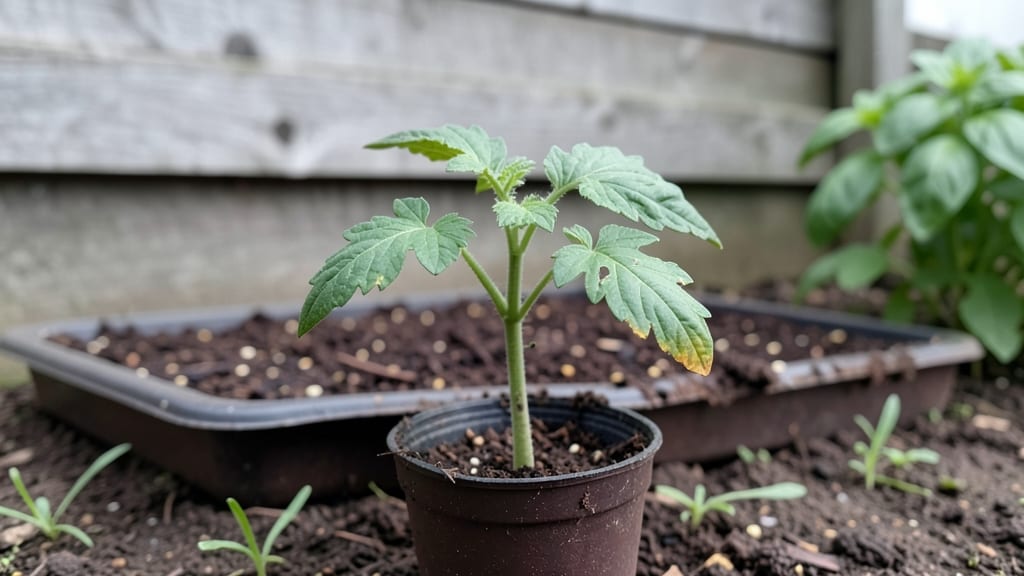
Transplant shock treatment with hydrogel can bring your wilted plants back from the brink—sometimes in just 24 hours. 🌱 I’ve nursed back more than a dozen struggling plants using this method, and it’s become my go-to when roots take longer to recover than expected.
The key isn’t just water or shade—it’s mimicking the perfect moisture balance roots crave after being uprooted.
Most gardeners overlook how quickly roots dry out or suffocate post-transplant. Hydrogel absorbs 100x its weight in water, then releases it slowly, giving roots time to re-establish without drowning.
I’ve seen tomatoes, peppers, and even finicky herbs bounce back when their old soil mix was too dense or their new spot had inconsistent moisture. The secret? Soak the hydrogel first, then mix it into the planting hole or top layer of soil.
Within a week, you’ll notice new growth—bright green leaves where there was once limp yellow. The plants start reaching for the sky again, and the wilting stops.
It’s not magic—just science-backed hydration that prevents roots from gasping for air. Plus, it works for container plants too, making it a small-space game-changer.
This method cuts recovery time in half compared to traditional watering alone. Whether you’re dealing with a single prized plant or a whole garden’s worth of shock, hydrogel gives roots the breathing room they need to thrive again. Let’s get those plants back on track!
Root Trauma Explained
Transplant shock isn’t just a vague gardening buzzword—it’s a real physiological stress response in plants, triggered by disruptions to their delicate root systems.
When you uproot a plant, even with care, you’re essentially giving its roots a minor (or major) injury, and the plant reacts like it’s been through a storm.
Let’s break down the three core causes of transplant shock, rooted in science, so you can understand why your plants look like they’ve been hit by a leaf blower.
When you dig up a plant, its roots get physically torn, crushed, or severed—even if you don’t see it. Here’s what’s happening underground:
- Mechanical Injury: Roots are fragile networks of fine hairs and vascular tissues.
When you pry them from the soil, you can: - Shear off root tips (where new growth happens). - Crush delicate mycorrhizal fungi (symbiotic helpers that boost nutrient absorption by up to 80% in some plants). - Sever lateral roots, disrupting the plant’s hydraulic system (like cutting water pipes).
- Osmotic Shock: Roots rely on osmotic pressure to absorb water. When exposed to air, they lose turgor pressure (the internal water pressure that keeps them firm), causing:
- Cell membrane damage (roots can’t regulate water intake).
- Plasma leakage (cells start "sweating" nutrients like sugars and electrolytes).
- Example: Imagine a tomato plant with a sprawling root ball. If you yank it out by the stems, you might miss 50% of its feeder roots—now it’s like trying to drink through a straw with half the holes blocked.
Plants don’t just lose roots—they lose their entire water supply network. Here’s how dehydration creeps in:
- Capillary Action Disruption: Soil particles hold water via capillary action (like a sponge). When you remove a plant:
- Air gaps form between roots and soil, breaking this moisture bridge.
- Root hairs dry out within minutes if not rehydrated.
- Transpiration Mismatch: Leaves keep evaporating water (transpiration) at the same rate, but the roots can’t replenish it fast enough. This causes:
- Wilting (cells lose turgor).
- Stomatal closure (leaves panic and shut to conserve water, but this also stops photosynthesis).
- Hydrogel Hack: This is where hydrogel crystals come in—they retain water like a sponge and can temporarily replace soil moisture while roots recover.
Plants aren’t alone—they’re in a symbiotic relationship with soil microbes. Uprooting severs these partnerships:
- Mycorrhizal Fungi Loss: These fungi extend the plant’s root system by 10x, absorbing nutrients like phosphorus and nitrogen.
When you transplant: - Up to 70% of mycorrhizal connections can be destroyed. - The plant now has to rebuild this network from scratch, which takes weeks to months.
- Rhizosphere Collapse: The rhizosphere (the soil zone influenced by roots) is packed with beneficial bacteria. When you move a plant:
- Beneficial microbes die off without their host’s sugars.
- Pathogens move in (like Phytophthora, a water mold that loves stressed roots).
- Nutrient Starvation: Roots rely on chelated minerals in the soil. Without the right pH and microbial activity:
- Iron, zinc, and manganese become unavailable, even if they’re in the soil.
- The plant can’t photosynthesize efficiently, leading to yellowing leaves (chlorosis).
Pro Tip 💡: Pre-transplant soil drench with a mycorrhizal inoculant or compost tea to give roots a head start on rebuilding their microbiome.
Revive Your Plant Fast
Now that you know the causes of transplant shock, let’s tackle the fixes—step by step. Whether your plant is drooping, yellowing, or refusing to bounce back, these solutions will help it recover and thrive again. The key is acting quickly and addressing the root (literally!) of the problem.
Cause: Roots are damaged or struggling to absorb water. Solution: Give your plant a hydrogel rescue bath to rehydrate and protect its roots.
- 🔥 Prepare a Hydrogel Soak Mix 1 part hydrogel crystals with 3 parts water (follow package instructions). Hydrogel expands to hold moisture, mimicking a natural root environment.
- 🍳 Submerge the Roots (Gently!) Place your plant in a container (like a bucket or tray) and let the roots soak for 12–24 hours. Avoid submerging foliage to prevent rot.
- 👨🍳 Repot with Hydrogel Boost After soaking, repot your plant in fresh soil mixed with hydrogel granules (about 10–20% of the soil volume). This keeps roots hydrated longer.
✨ Pro Tip: If your plant is severely wilted, trim any mushy or blackened roots before repotting to prevent further stress.
Cause: Sudden temperature swings or hot transplant conditions. Solution: Shield your plant from stress and help it adjust gradually.
- 🌡️ Move to a Shady Spot Place your plant in indirect light for 3–5 days to avoid sunburn. A covered porch or east-facing window works well.
- 💧 Light Watering (No Drenching!) Water only when the top inch of soil is dry—overwatering in heat can worsen shock. Use room-temperature water to avoid further stress.
- 🌬️ Increase Airflow (But Not Drafts!) Use a small fan on low speed near the plant to improve circulation without blasting it with cold air.
💡 Prevention Tip: If transplanting in hot weather, do it early morning or late evening when temps are cooler.
Cause: Poor soil or disrupted root systems can’t access nutrients. Solution: Feed your plant a gentle, root-friendly boost to speed up recovery.
- 📊 Use a Mild Fertilizer Apply a diluted liquid fertilizer (half-strength) 1 week after repotting. Avoid granular fertilizers—they can burn stressed roots.
- 🥗 Add Organic Matter Mix compost or worm castings into the soil (about 20%) to replenish nutrients naturally.
- 🍎 Monitor for Signs of Recovery Look for new leaf growth in 2–4 weeks. If yellowing persists, test your soil pH—most plants prefer 6.0–7.0.
✨ Pro Tip: For sensitive plants (like ferns or orchids), use fish emulsion—it’s gentle and packed with micronutrients.
The best cure? Prevention! Follow these steps to minimize shock next time:
- 🌱 Choose the Right Time – Transplant on a cloudy day or in early morning/late afternoon.
- 💧 Water Before & After – Soak the root ball 1–2 days before moving and water immediately after repotting.
- 🌿 Keep Humidity High – Use a plastic bag (with holes) over the plant for 3–5 days to retain moisture.
- 🌱 Avoid Root Disturbance – If possible, keep the root ball intact when repotting.
- 🌡️ Acclimate Gradually – If moving outdoors, harden off plants by slowly exposing them to sun/wind over 5–7 days.
Final Thought: Most plants recover from transplant shock within 2–4 weeks with the right care. Stay patient, and your green friend will be back to its vibrant self in no time! 🌿💚
Frequently asked questions
How long does it take for plants to recover from transplant shock using hydrogel?
Most plants show noticeable improvement within 3–7 days when using hydrogel, with full recovery typically taking 2–4 weeks. Hydrogel’s ability to retain moisture helps roots re-establish faster than traditional soil alone. Monitor for new leaf growth—this is your best sign of progress!
Can I use hydrogel for all types of plants, including succulents or orchids?
Hydrogel works for most plants, but use caution with succulents or cacti—they prefer dry conditions and can rot in overly moist soil. For orchids, mix hydrogel sparingly (5–10%) and ensure excellent drainage. Always research your specific plant’s needs before applying hydrogel.
What’s the best time of day to transplant plants to avoid shock?
Transplant on a cloudy day or during early morning/late afternoon when temperatures are cooler. Avoid midday heat, which stresses plants by increasing water loss. If transplanting outdoors, choose a day with 50–70% humidity for optimal recovery.
Why are my plant’s leaves turning yellow after transplanting?
Yellowing leaves usually indicate nutrient deficiency or root stress. Boost recovery by adding compost or worm castings to the soil and using a diluted fertilizer (half-strength) after 1–2 weeks. Avoid overwatering, as soggy soil worsens nutrient uptake.
How do I know if my plant is suffering from transplant shock vs. disease?
Transplant shock causes wilting, yellowing leaves, and slowed growth without visible pests or spots. Disease often shows as black/brown spots, mold, or sticky residue. Check roots—healthy roots are firm and white, while diseased roots may be mushy or discolored. Isolate affected plants to diagnose accurately.