
Lawn
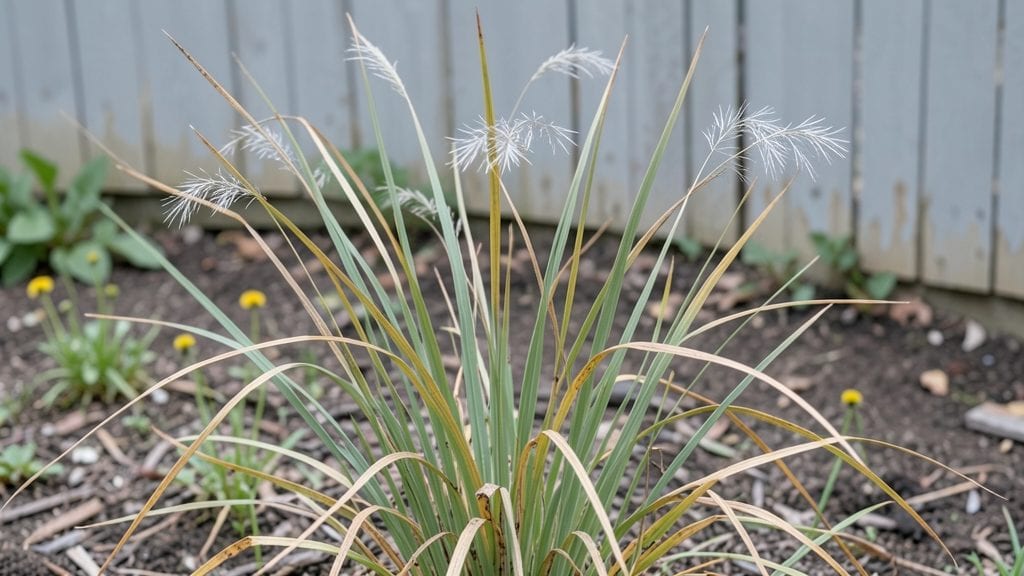
Planting ornamental grass transforms bare spots into year-round texture with almost no upkeep—my front yard went from dull to dramatic after just one season. The key? Matching the right grass to your space and following a few simple rules about light, soil, and spacing.
I started with fountain grass along my patio edge and blue fescue in rock beds, and now I get movement, color, and structure without mowing.
You’ll need healthy plants, the right soil mix, and basic tools—nothing fancy. Most ornamental grasses thrive in average garden soil, but amending with compost gives them a stronger start.
Spacing matters too: give clumping types like maiden grass 18-24 inches between plants, while spreading varieties like feather reed grass need 3-4 feet to prevent crowding. The planting depth is simple: just match the soil line of the nursery pot.
Once planted, ornamental grasses reward you with minimal effort. Water deeply the first week to help roots establish, then let them go mostly dry—most varieties handle drought once established.
In winter, their seed heads add structure when everything else is dormant, and in spring, new growth emerges with surprising speed. My blue fescue even blooms tiny purple flowers that last all summer.
This works for borders, containers, or even as a low-maintenance lawn alternative. The only real mistake is overwatering—most ornamental grasses hate soggy roots. Start with one variety, observe how it performs, and expand next year. You’ll wonder why you didn’t try this sooner.
📚 In This Guide
- What you need
- Instructions
- Tips and common mistakes
- Wrapping up and next steps
What you need
- ● Ornamental grass plants: 3–5 plants per square foot (varies by variety; check spacing guidelines for your chosen type). Opt for Miscanthus, Pennisetum, or Carex for bold textures.
- ● High-quality soil: 1–2 bags of well-draining potting mix or native soil amended with compost (1 part compost to 3 parts soil).
- ● Fertilizer: Slow-release balanced fertilizer (10-10-10) or organic options like fish emulsion (follow package rates).
- ● Watering can or hose: With a gentle spray nozzle for even moisture.
- ● Garden gloves: A pair of durable, breathable gloves to protect your hands.
- ● Pruners: Sharp, bypass pruners for trimming (sterilize with rubbing alcohol).
- ● Mulch: Pine straw or shredded bark (2–3 inches) to retain moisture and suppress weeds.
- ● Edging tools: For clean borders (e.g., plastic or metal edging).
- ● Garden stakes: To support tall varieties like Miscanthus sinensis.
- ● Soil tester kit: To check pH (ideal range: 5.5–7.0 for most ornamental grasses).
- ● Decorative rocks: For a modern or Zen garden look (e.g., river rocks or pea gravel).
How to plant ornamental grass for season-long visual impact
Ornamental grasses deliver effortless structure, movement, and texture—here’s how to establish them for maximum effect.
Select the Right Location and Prepare the Soil
Ornamental grasses thrive in full sun to partial shade, with most varieties demanding at least 6 hours of direct sunlight daily. For sun-loving types like Miscanthus or Pennisetum, choose a south- or west-facing spot where they’ll receive unfiltered light. Shade-tolerant grasses like Carex or Hakonechloa can handle 4-6 hours of sun but still need bright indirect light to prevent weak, leggy growth.
Test your soil’s drainage by digging a 6-inch hole and filling it with water. If it drains within 15-30 minutes, your site is suitable. If water pools after an hour, amend the soil with 2-3 inches of organic matter—like compost or aged manure—to improve aeration. Grasses hate soggy roots, so prioritize well-draining soil over fertility. A pH between 6.0 and 7.5 is ideal; test your soil if your region has acidic or alkaline tendencies.
Dig Holes and Plant at the Correct Depth
Dig holes twice as wide as the grass clump’s root ball but only as deep as the root ball itself. Pressing the plant too deep suffocates roots, while planting too shallow exposes them to temperature swings and drought. Gently tease apart any circling roots with your fingers—this encourages outward growth instead of a tight, girdling root mass.
Space plants according to their mature width: dwarf varieties (like Carex ‘Ice Dance’) need 12-18 inches apart, while bold clumpers (like Andropogon gerardii) should have 3-4 feet between them. Grouping grasses in odd-numbered clusters (3, 5, or 7 plants) creates natural, balanced drifts. Water each hole deeply before planting to settle the soil and eliminate air pockets.
Backfill, Water, and Mulch for Retention
Fill the hole with native soil, pressing gently to eliminate gaps but avoiding compaction. Water immediately after planting to encourage root-to-soil contact. For the first 2-3 weeks, keep the soil consistently moist—not soggy, but never bone-dry. Use a soaker hose or drip irrigation to deliver water slowly at the base; overhead watering can dislodge new plants or create fungal conditions.
Apply 1-2 inches of mulch (like shredded bark or pine straw) around the base, keeping it 2-3 inches away from the crown to prevent rot. Mulch conserves moisture, regulates soil temperature, and suppresses weeds—critical for grasses, which resent competition. Avoid thick layers, as they can smother emerging shoots. After planting, avoid disturbing the area until new growth appears in 3-6 weeks, depending on the variety.
Prune Strategically for Year-Round Appeal
Most ornamental grasses require minimal pruning, but timing matters. In late winter or early spring (before new growth starts), cut back dead or damaged foliage to 1-2 inches above the ground. This removes unsightly debris while allowing the plant to redirect energy into fresh shoots. For clumping grasses, trim selectively to maintain shape; for spreading types, shear lightly to encourage density.
Never prune in fall, as the old foliage provides winter interest and insulation for the crown. If you notice brown, crispy blades in summer, it’s likely heat stress—water deeply and avoid fertilizing, as grasses go dormant under extreme heat. Divide mature clumps every 3-5 years in early spring to prevent overcrowding, using a sharp spade to slice through the root ball.
Tips & tricks for perfect ornamental grass planting
These tried-and-true strategies will help you establish ornamental grasses that thrive year after year with minimal effort.
Location Intelligence: Pay close attention to your site's microclimate when selecting sun-loving varieties like Miscanthus or Pennisetum. A south-facing spot may receive 8 hours of direct sunlight, but a west-facing location could experience intense afternoon heat that stresses some grasses. If your garden has afternoon shade, opt for varieties that tolerate 4-6 hours of morning sun instead. I've learned this the hard way—planting sun-lovers in shaded spots leads to weak, leggy growth that never reaches its full potential.
Root Preparation Technique: The step of teasing apart circling roots in Step 2 is often overlooked, but it makes all the difference. Use your fingers to gently separate the roots—don't force them. This encourages outward growth rather than creating a tight, girdling root mass that can strangle the plant. For container-grown grasses, you'll often find roots circling the pot bottom, so this step becomes even more critical. I recommend doing this while the root ball is still moist from being removed from its container.
Watering Strategy: During that crucial 2-3 week establishment period, consistency is key. I've found that using a soaker hose set on a timer for 15-30 minutes twice daily provides the perfect balance of moisture without creating soggy conditions. Overhead watering can dislodge new plants and create fungal conditions, so avoid sprinklers. The goal is to keep the soil consistently moist—not soggy, but never bone-dry. This mimics natural rainfall patterns and prevents transplant shock.
Pruning Timing: The late winter/early spring pruning in Step 4 is your chance to give your grasses a fresh start. Look for the point where the old foliage meets the new growth—this is your cutting line. For most varieties, this occurs naturally around February or March, just as new shoots begin to emerge. Never prune in fall, as the old foliage provides essential winter interest and insulation for the crown. I've seen many gardeners make this mistake and end up with bare, uninspiring clumps over winter.
Pro Tips for Planting Ornamental Grass
- These tried-and-true strategies will help you establish ornamental grasses that thrive year after year with minimal effort.
- Location Intelligence: Pay close attention to your site's microclimate when selecting sun-loving varieties like Miscanthus or Pennisetum.
- Root Preparation Technique: The step of teasing apart circling roots in Step 2 is often overlooked, but it makes all the difference.
Frequently asked questions
Got questions about planting ornamental grass?
You’re not alone! Whether you’re a beginner or just looking for quick tips, here are answers to the most common queries to help you grow stunning, low-maintenance grass year-round.
When is the best time to plant ornamental grass?
The ideal time depends on your climate. In cool regions, plant in early spring or early fall (4–6 weeks before frost) for strong root establishment. In warm climates, opt for late spring or early summer to avoid winter stress. Avoid planting in extreme heat or cold—your grass will thank you!
How often should I water newly planted ornamental grass?
Keep soil consistently moist (not soggy) for the first 2–4 weeks after planting. Water deeply 2–3 times per week, then taper to 1–2 times weekly once roots establish. Mature grass is drought-tolerant, but young plants need regular hydration. Pro tip: Water early in the morning to reduce evaporation.
Can I plant ornamental grass in containers or small spaces?
Many varieties like Miscanthus or Dwarf World thrive in containers, window boxes, or narrow garden beds. Use well-draining soil and ensure pots have drainage holes. For small spaces, choose clumping grasses (they don’t spread aggressively) and prune regularly to maintain shape.
Why is my ornamental grass turning brown or dying?
Brown patches often signal underwatering, overwatering, or poor soil drainage. Check for:
- Root rot (soggy soil = fungus risk).
- Drought stress (wilting or crispy edges).
- Cold damage (common in winter).
Are there low-maintenance alternatives to traditional lawn grass?
Yes! Ornamental grasses like Maiden Grass (Miscanthus) or Feather Reed Grass (Calamagrostis) require no mowing, minimal fertilizing, and thrive in poor soil. They also suppress weeds and attract pollinators. For a no-fuss lawn, mix clumping grasses with ground covers like Creeping Thyme.
Wrapping up and next steps
Planting ornamental grass is a fantastic way to add year-round texture, movement, and low-maintenance beauty to your landscape—without the fuss! Whether you're drawn to their elegant plumes, soft ground cover, or wild, natural charm, these grasses thrive with minimal effort once established.
Now that you’re equipped with the right tools, tips, and answers to common questions, there’s no better time to roll up your sleeves and get growing!
🌱 Ready to transform your space? Start by selecting the perfect grass for your climate and style, then grab your gloves and dive in! Happy planting—your future garden will thank you.