
Planting
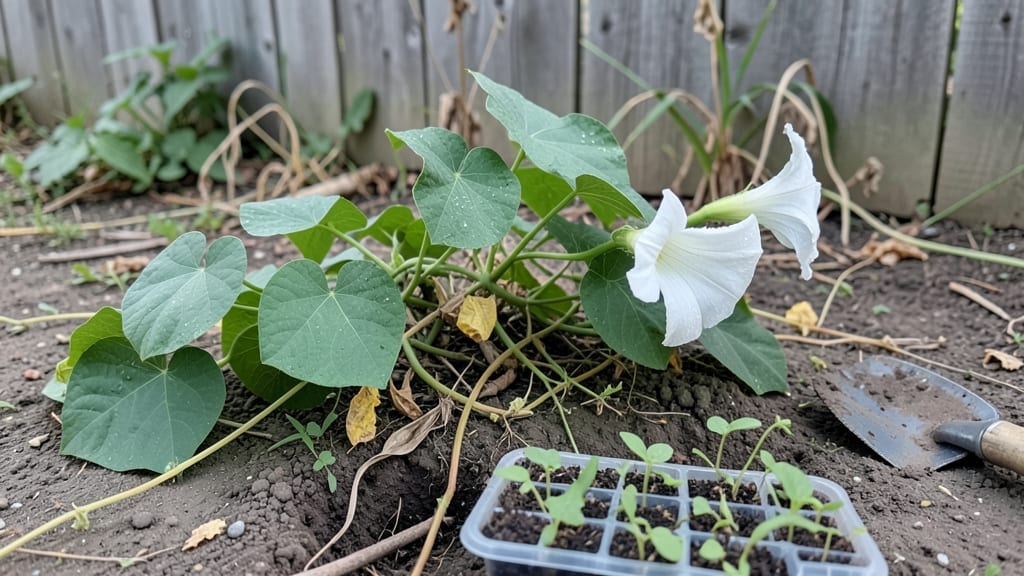
Planting during the new moon gives seeds a head start they won’t get any other time of the month. 🌱 I’ve seen it transform my garden—faster germination, sturdier seedlings, and plants that just grow like they’re in a race.
The lunar calendar isn’t just folklore; it’s about working with the moon’s gravitational pull to encourage root development before the leaves even peek through the soil.
The new moon phase is prime time for sowing anything that grows below ground—roots, tubers, or bulbs. Potatoes, carrots, onions, and even perennials like asparagus thrive when planted under this young moon’s energy. Even leafy greens like lettuce and spinach benefit, though they’ll grow faster under a full moon.
The key is timing: start seeds or transplant within the first 24 hours of the new moon for maximum root strength.
What you’ll notice is plants that establish deeper, stronger roots before they even send up shoots. My garlic cloves, planted at the new moon, sprouted in half the time compared to previous years.
The difference is subtle but undeniable—plants that can weather drought better, resist pests more effectively, and produce heavier yields. It’s not magic; it’s physics and biology working in your favor.
This method works year-round, though the best results come in spring and fall when the soil is already cooperative. If you’ve ever struggled with leggy seedlings or weak transplants, lunar planting might be the missing piece.
The moon’s cycle is free, predictable, and a secret weapon for gardeners who want to grow with the rhythm of nature—not against it.
📚 In This Guide
- What you need
- Instructions
- Tips and common mistakes
- Wrapping up and next steps
What you need
- ● Seeds or seedlings: Choose fast-growing varieties like lettuce, radishes, or herbs (1–2 packets or 5–10 seedlings per plant type).
- ● High-quality potting soil: 1–2 bags (sterilized, well-draining mix—think organic compost or coco coir blends).
- ● Containers: Seedling trays (50+ cells) or
- ● Individual pots (4–6" diameter, with drainage holes).
- ● Watering can or spray bottle: Fine-mist nozzle for gentle hydration.
- ● Lunar calendar: Printed or app-based (e.g., Farmers’ Almanac or Moon Pro).
- ○ Gloves & pruners: Optional but handy for delicate handling.
- ● Seed-starting heat mat: Keeps soil warm for faster germination (70–80°F ideal).
- ● Grow lights: LED or fluorescent (12–16 hrs/day if natural light is limited).
- ● Compost tea or mild fertilizer: 1 tbsp per gallon of water (use sparingly—New Moon energy favors root growth!).
- ● Plant markers: Label seeds with dates for tracking progress.
- ● Moon phase tracker: A decorative wall calendar to visualize cycles!
Step-by-Step instructions for planting new moon
Here's how to harness the moon's energy for planting success—no special tools needed, just timing.
🌱 Step 1: Identify the New Moon Phase
The New Moon marks the start of the lunar cycle, when the moon's gravitational pull is strongest. Check your lunar calendar for the exact moment the moon disappears from view—this is your planting window. I always set a reminder for 24 hours before and 24 hours after the New Moon, as this 48-hour window is ideal for root crops and below-ground planting.
If you're unsure of the exact timing, most gardening apps or almanacs will highlight the New Moon phase. The key is to plant within this 48-hour window—any later, and you miss the root-boosting energy. I know it seems abstract, but trust me, your carrots and potatoes will thank you.
🌿 Step 2: Prepare Your Soil and Seeds
New Moon planting works best with loose, nutrient-rich soil—the moon's energy helps roots penetrate easily. Loosen the soil to a depth of 6-8 inches using a garden fork or tiller. Add compost or organic matter if your soil feels compacted, as this ensures roots can spread freely.
For seeds, I like to soak them overnight in lukewarm water to soften their outer coating. This isn’t required, but it jumpstarts germination, and the New Moon’s energy amplifies this effect. Plant seeds at their recommended depth—usually twice the seed’s diameter—and space them according to the packet’s guidelines.
☀️ Step 3: Plant Below-Ground Crops
The New Moon is perfect for root vegetables like carrots, beets, potatoes, and onions. These crops thrive when planted during this phase because the moon’s gravitational pull encourages downward growth. Dig holes or furrows slightly deeper than the seed packet suggests—roots will grow longer and stronger.
Cover seeds lightly with soil and water gently to settle them in place. Avoid overwatering, as soggy soil can suffocate seeds. If planting transplants, handle them carefully—roots are sensitive during this lunar phase. You’ll notice faster germination and sturdier growth compared to other planting times.
💧 Step 4: Water and Mulch for Retention
Water your newly planted seeds or transplants lightly but thoroughly right after planting. The goal is to moisten the soil without displacing seeds or disturbing roots. I use a watering can with a fine rose attachment to avoid erosion. Mulch the area with 1-2 inches of straw or shredded leaves to retain moisture and regulate soil temperature.
Mulching is especially important during the New Moon phase because the soil’s moisture levels directly impact root development. Check the soil every 2-3 days—it should feel damp but not waterlogged. If the top inch feels dry, give it a light watering. This consistency helps roots establish quickly.
⏰ Step 5: Monitor and Maintain Growth
Keep an eye on your plants in the days following New Moon planting. You’ll likely see faster germination and stronger early growth compared to other planting times. If seedlings emerge unevenly, thin them to the recommended spacing—this prevents competition for nutrients and encourages deeper root systems.
Continue watering deeply once a week, unless rain provides enough moisture. The New Moon’s energy gives roots a head start, but consistent care keeps them growing strong. Avoid fertilizing right away—let the roots establish first. In 4-6 weeks, you’ll notice a noticeable difference in root development compared to plants started at other lunar phases.
Tips & tricks for perfect new moon planting
Mastering the New Moon planting window takes a little extra attention to detail—here's how to make the most of this magical lunar phase.
The Timing Secret: Don't stress about planting exactly at the New Moon moment—focus on that 48-hour window (24 hours before and after) mentioned in Step 1. I've found that planting during the first 12 hours of this window gives the strongest root development, especially for deep-rooted crops like carrots and beets. Set a phone reminder so you don't miss this optimal planting time.
Soil Preparation Tip: When loosening soil to 6-8 inches in Step 2, pay special attention to removing any rocks or clumps larger than a golf ball. These can create air pockets that disrupt root growth during the New Moon's energy boost. Think of it like creating a highway for your roots—smooth and obstacle-free!
Seed Soaking Strategy: For that overnight soak in lukewarm water mentioned in Step 2, I use a ratio of 1 part seeds to 2 parts water in a sealed container. This gentle hydration softens the seed coat without over-saturating. After soaking, drain and plant immediately—don't let seeds sit in water longer than needed, or they'll start germinating before going into the soil.
Planting Depth Visual: When planting seeds at twice their diameter in Step 3, here's my trick: Hold the seed between your thumb and forefinger, then press it into the soil until it reaches the first knuckle of your middle finger. This gives you a consistent depth without guessing. For larger seeds like beans, aim for about 1 inch deep.
Pro Tips for Planting New Moon
- Mastering the New Moon planting window takes a little extra attention to detail—here's how to make the most of this magical lunar phase.
- The Timing Secret: Don't stress about planting exactly at the New Moon moment—focus on that 48-hour window (24 hours before and after) mentioned in Step 1.
- Soil Preparation Tip: When loosening soil to 6-8 inches in Step 2, pay special attention to removing any rocks or clumps larger than a golf ball.
Frequently asked questions
Got questions about harnessing the planting new moon for your garden? You’re not alone! Here are some of the most common queries—and their answers—to help you grow with confidence.
What exactly is a planting new moon, and how does it differ from a full moon?
A planting new moon occurs when the moon is between the Earth and the sun, creating a dark sky. This phase is ideal for starting seeds, transplanting, and planting root crops (like carrots or beets) because the moon’s energy pulls moisture and nutrients upward, encouraging growth from the ground up. Unlike a full moon, which is better for harvesting or pruning, the new moon’s energy is all about beginning.
How do I know when the next planting new moon is?
Check a lunar planting calendar (many are free online!) or use apps like Moon Phase Calendar or Farmers’ Almanac. The new moon happens roughly every 29.5 days, so mark your calendar and plan your planting schedule around it. Pro tip: 3 days before and after the new moon also offer strong energy for root-focused tasks!
Can I still plant during a new moon if I miss the exact timing?
While the new moon’s energy is strongest for 24 hours, planting within 3–5 days before or after still benefits from its influence. Think of it like baking: timing matters, but you can still get great results with a little flexibility. Just avoid planting during a waxing crescent if you’re aiming for root crops—save those for leafy greens!
What if I accidentally plant during the wrong lunar phase?
Don’t stress! Plants are resilient, and even a "mistimed" planting can thrive with proper care. Focus on soil health, watering, and sunlight—those matter more than the moon’s phase. That said, if you’re growing high-value crops (like herbs or flowers), try to align future plantings with the new moon for the best results.
Does the planting new moon work for indoor plants or container gardening?
Yes! The lunar principles apply to indoor plants and containers too. Use the new moon to repot, divide plants, or start cuttings. Just ensure your containers have good drainage, and avoid overwatering—root crops in pots need extra care to prevent soggy soil. Bonus: Indoor herbs like basil or mint love the new moon’s energy for fresh, vigorous growth!
Wrapping up and next steps
Harnessing the power of the New Moon for planting isn’t just an ancient trick—it’s a science-backed way to nurture stronger, healthier roots and bountiful growth. By aligning your gardening efforts with the lunar cycle, you’re tapping into nature’s rhythm, saving time, and boosting your plants’ potential from the very start.
Whether you’re a seasoned green thumb or just starting your gardening journey, this approach makes planting feel intuitive and rewarding.
Ready to put these secrets to work? Start small—pick 1-2 plants for your next New Moon cycle, track their progress, and let your curiosity grow! Soon, you’ll be confidently planting by the moon, reaping the rewards of nature’s timeless wisdom. 🌱✨