
Landscaping
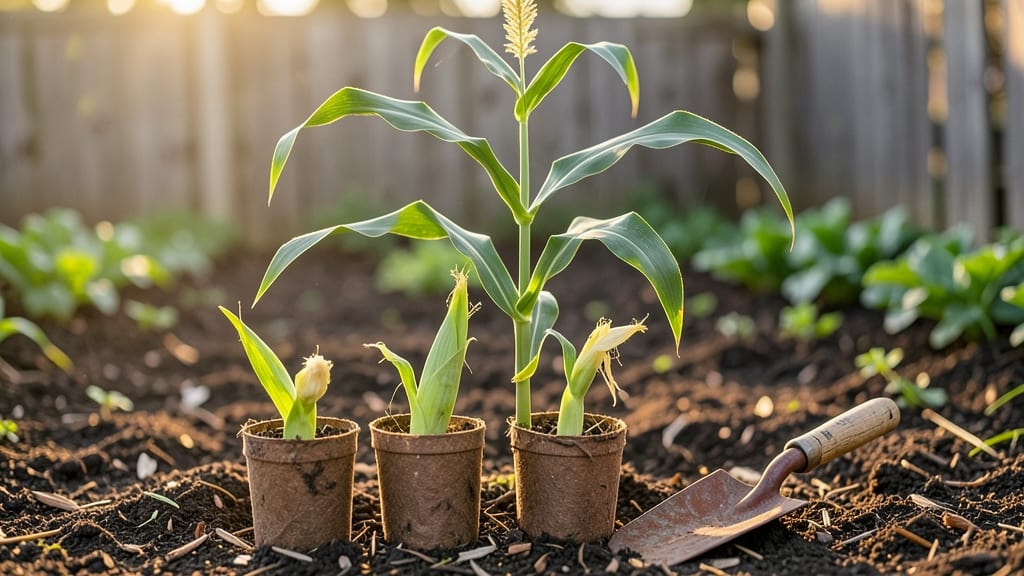
Planting corn in your backyard delivers that satisfying crunch of homegrown sweetness—if you nail the spacing and soil prep. 🌽 I’ve grown corn for years, and the difference between tough, starchy stalks and tender, sugar-packed ears comes down to three simple steps that even beginners can master.
Start with loose, fertile soil mixed with compost (no need for fancy amendments). Plant seeds 1 inch deep, 4 inches apart in rows 3 feet apart—this spacing prevents overcrowding and gives each plant room to grow strong.
Most backyard gardeners overlook depth, but planting too shallow means weak roots that can’t support heavy ears.
Within 60 days, you’ll harvest ears so sweet they’ll make store-bought taste like cardboard. The key is consistent watering (1–2 inches per week) and watching for pests like corn earworm—just a quick check every few days keeps them at bay. Even small backyards can grow enough for summer meals.
This method works in zones 4–10, though southern growers may need to plant in early spring or fall to avoid heat stress. Once you try it, you’ll never buy corn again—just save seeds from your best ears for next year’s crop. Ready to grow your own?
📚 In This Guide
- What you need
- Instructions
- Tips and common mistakes
- Wrapping up and next steps
What you need
- ● Corn seeds: Choose a short-season variety (60–90 days to harvest) like 'Silver Queen' or 'Golden Bantam' (1–2 lbs per 100 sq ft).
- ● Garden soil: Well-draining, loamy soil with a pH of 6.0–6.8 (test or amend with compost).
- ● Organic fertilizer: Balanced 10-10-10 or compost (1–2 cups per planting hole).
- ● Water: Consistent access (1–2 inches per week, especially during tasseling).
- ○ Stakes or trellis (optional but helpful): For tall varieties (e.g., 'Country Gentle'), use 5–6 ft bamboo stakes.
- ● Garden trowel or shovel (for digging holes 1–2 inches deep).
- ● Rake (to loosen soil and level the planting area).
- ● Measuring tape or ruler (to space seeds 8–12 inches apart in rows 2–3 ft apart).
- ● Garden hose with adjustable nozzle (for gentle watering).
- ● Pruners or scissors (for harvesting or trimming dead leaves).
- ● Mulch (straw or grass clippings) to retain moisture and suppress weeds.
- ● Row covers for early planting to protect from frost.
- ● Corn-specific fungicide (e.g., copper spray) if your area has blight risks.
- ● Plant markers to track varieties and spacing.
Step-by-step instructions for planting corn in your backyard
Here's how to grow sweet, plump corn stalks that'll make your backyard the talk of the neighborhood.
🌱 Step 1: Prepare the Soil and Planting Site
Corn thrives in loose, fertile soil with plenty of organic matter. Clear the area of weeds and till the soil to a depth of 8-12 inches to break up compaction. Work in 2-3 inches of compost or well-rotted manure to enrich the soil—corn is a heavy feeder and needs nutrients to produce those sweet ears.
Choose a location that gets full sun (6-8 hours daily). Corn requires consistent warmth, so avoid low spots where cold air settles. If your soil is heavy clay, mix in 2-3 inches of coarse sand or perlite to improve drainage. Test the soil pH—corn prefers a slightly acidic to neutral range of 6.0-6.8. If your soil is too alkaline, amend it with sulfur or peat moss.
🌱 Step 2: Plant Seeds at the Right Depth and Spacing
Corn seeds need warmth to germinate, so wait until the soil temperature reaches at least 60°F—use a soil thermometer to check. Plant seeds 1 inch deep and 4-6 inches apart in rows spaced 2-3 feet apart. For a 4-plant yield, arrange them in a square pattern to ensure good pollination (corn is wind-pollinated, so spacing matters).
Drop 2-3 seeds per hole and cover lightly with soil. Press gently to ensure good seed-to-soil contact. Water immediately after planting to settle the soil and keep it consistently moist until germination, which typically takes 7-14 days. Avoid overwatering—soggy soil can cause seeds to rot. Once seedlings emerge, thin to the strongest plant per hole, snipping the weaker ones at soil level with scissors.
☀️ Step 3: Maintain Water, Fertilizer, and Weed Control
Corn needs 1-1.5 inches of water per week, especially during tasseling (when the pollen-bearing flowers appear). Water deeply at the base of the plants in the morning to reduce evaporation and fungal diseases. Use a soaker hose or drip irrigation to keep leaves dry—wet foliage invites pests and diseases. Mulch around the base with 2-3 inches of straw or grass clippings to retain moisture and suppress weeds.
Fertilize when plants are 6-8 inches tall with a balanced 10-10-10 fertilizer or compost tea. Side-dress again when tassels emerge. Watch for weeds—they compete aggressively with corn for nutrients. Pull them by hand or use a hoe to keep the area clean. Corn stalks should be straight and sturdy; if they lean, they may need staking or more sunlight.
⏰ Step 4: Harvest at Peak Sweetness
Corn is ready to harvest when the silks turn brown and dry, and the kernels are plump but still milky when pierced with a fingernail. This usually happens 60-90 days after planting, depending on the variety. Cut stalks with a sharp knife or pruners, leaving 6-8 inches of stalk attached to the ear. Harvest in the morning for the sweetest flavor—corn sugars convert to starches quickly after picking.
Store harvested corn in the refrigerator for up to 5-7 days or blanch and freeze for longer storage. If you planted multiple rows, stagger your harvest by a few days to enjoy fresh corn over a longer period. Save some seeds from the best ears for next year—corn is easy to grow from saved seed if stored in a cool, dry place.
Tips & tricks for perfect backyard corn planting
Here's what nobody tells you about growing backyard corn that'll actually taste as sweet as the grocery store—without the chemicals.
Soil Temperature Matters: That 60°F soil temperature isn't just a suggestion—it's non-negotiable for germination. I learned this the hard way after planting too early in cool spring soil. Use a soil thermometer for 3-5 days to confirm temperatures before planting. If your soil runs cooler, consider using black plastic mulch to warm it up faster. This small step can mean the difference between 50% germination and 100%.
Planting Pattern Hack: For that perfect 4-plant yield, arrange your seeds in a square pattern rather than a straight line. This creates a "pollination circle" that ensures all ears develop properly. Corn is wind-pollinated, so the closer the tassels are to each other, the better the fertilization. I've seen neighbors with beautiful stalks but empty ears because they planted in a single row—don't make that mistake!
Watering Wisdom: Those 1-1.5 inches of water per week should go directly to the base, not the leaves. Wet foliage is an open invitation for fungal diseases like leaf blight. I use a soaker hose buried just under the soil surface—it delivers water right where the roots need it without wetting the plants. Morning watering is key too; it gives leaves time to dry before evening, reducing disease risk.
Harvest Timing Secret: The "milky" kernel test is your best friend, but here's the pro move: harvest when silks turn brown AND the husks pull back easily. If you wait until kernels are fully plump and hard, you've missed the sweetness window. Corn sugars convert to starches within hours of picking, so get your knife out early in the morning when sugars are at their peak. Trust me on this!
Pro Tips for Planting Corn In Backyard
- Here's what nobody tells you about growing backyard corn that'll actually taste as sweet as the grocery store—without the chemicals.
- Soil Temperature Matters: That 60°F soil temperature isn't just a suggestion—it's non-negotiable for germination.
- Planting Pattern Hack: For that perfect 4-plant yield, arrange your seeds in a square pattern rather than a straight line.
Frequently asked questions
Got questions about growing your own backyard corn? You’re not alone—here are the answers to common concerns to help you grow sweet, homegrown stalks with confidence!
How deep should I plant corn seeds?
Plant corn seeds about 1 to 1.5 inches deep in well-drained soil. Press the soil gently around the seeds to ensure good contact, but avoid compacting it too tightly. A loose, airy soil helps roots establish faster. For larger varieties, you can plant slightly deeper (up to 2 inches), but keep it moist until germination.
When is the best time to plant corn in my backyard?
Corn thrives in warm soil, so wait until after the last frost when nighttime temperatures stay above 50°F (10°C). In most regions, this means late spring to early summer (April–June). If you live in a hot climate, you can even plant in early summer for a fall harvest. Check your local frost dates for precision!
Can I grow corn in containers or small spaces?
Yes! While corn needs space (at least 12–18 inches apart for standard varieties), you can grow bush corn or dwarf varieties in containers (5+ gallon pots) or small raised beds. Just ensure they get full sun (6+ hours/day) and deep watering. Pollination may be trickier in tight spaces—plant at least two stalks for better success.
What are the most common pests to watch for, and how do I prevent them?
Corn faces threats like corn earworms, aphids, and raccoons. Use row covers early on to deter pests, and handpick worms from ears. For raccoons, harvest promptly and avoid leaving fallen ears. Rotate crops yearly if possible, and plant marigolds nearby to repel insects naturally. Monitor plants weekly for early signs of damage.
Why aren’t my corn plants tasseling or producing ears?
No tassels or ears often mean poor pollination. Ensure you planted multiple stalks (at least 4–6) for cross-pollination. If weather is too hot, windy, or rainy during tasseling (usually 60–70 days after planting), hand-pollinate by transferring pollen with a paintbrush. Also check for nutrient deficiencies—corn needs nitrogen, phosphorus, and potassium. A balanced fertilizer can help!
Wrapping up and next steps
Growing your own backyard corn is a rewarding adventure that brings fresh, homegrown goodness to your table! 🌽 With the right soil prep, spacing, and care, you’ll enjoy sweet, juicy ears straight from your garden.
Whether you’re a beginner or a seasoned gardener, these three key steps make it simple—and the payoff is worth every effort.
Ready to take the next step? Start small with a few plants, experiment with varieties, and watch your garden thrive. Before you know it, you’ll be savoring corn on the cob with pride—and maybe even sharing tips with neighbors! Happy planting! 🌱