
Picking
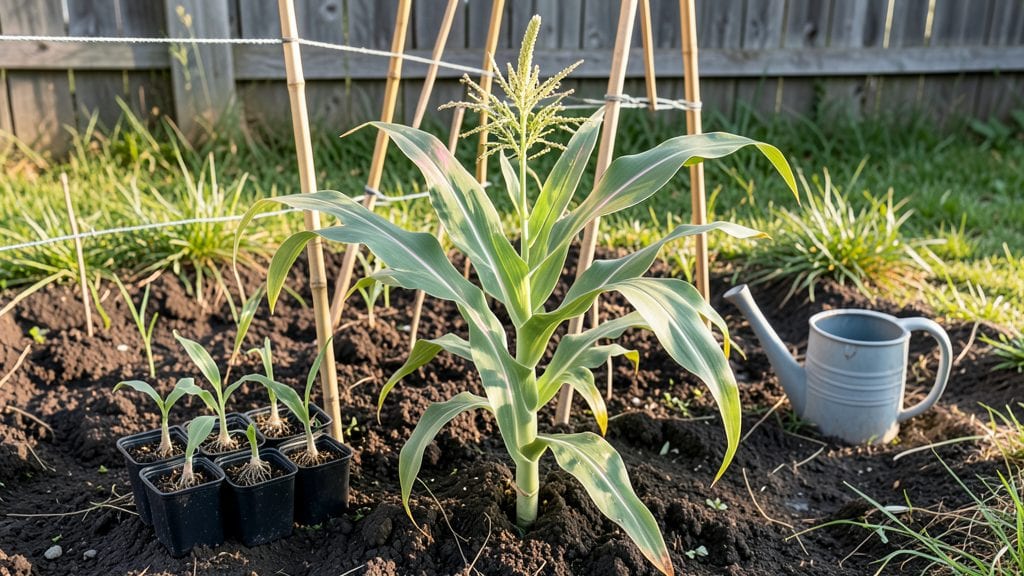
Planting Peaches and Cream sweet corn means golden kernels and creamy cobs in just 60 days—if you nail the spacing and timing. I’ve grown this variety for three seasons, and the difference between a crowded patch and a thriving stand is all in the math.
Too close, and you get skinny ears; too far apart, and you waste garden real estate. The secret isn’t just the rows—it’s the 12-inch spacing between plants that makes all the difference.
Start with soil that drains well but holds moisture—this variety loves rich, slightly acidic dirt. Work in a 2-3 inch layer of compost before planting, and avoid fresh manure (it burns tender roots).
My best batches came from planting after the last frost when soil temps hit 60°F, using 1-inch deep seeds in hills spaced 3 feet apart. A little mulch afterward keeps moisture steady and weeds at bay—no fuss, just consistent results.
You’ll know you’re on track when those first 6-inch tall plants show off their broad leaves, signaling strong roots. Water at the base—not overhead—and watch for pests like corn earworm; drop a few BT sprays early to avoid the battle later.
By mid-summer, you’ll be snapping ears with 12-14 rows of sweet, buttery kernels, far beyond what store-bought can match. The payoff? Fresh corn so good, neighbors will ask for seeds.
This variety thrives in full sun and handles heat better than most, but it still needs 1-1.5 inches of water per week. Pair it with beans or lettuce to maximize space, and avoid planting near tomatoes (they compete for nutrients).
With the right spacing, you’ll go from seed to harvest faster than you think—and every bite will taste like summer in a cob.
📚 In This Guide
- What you need
- Instructions
- Tips and common mistakes
- Wrapping up and next steps
What you need
- ● Peaches and Cream corn seeds – 1 packet (typically contains 50–100 seeds). Look for heirloom or sweet varieties like Peaches and Cream or Ambrosia for the best flavor.
- ○ Seedlings (optional) – If starting from seedlings, purchase 10–15 healthy, disease-free plants for a small garden.
- ● Garden trowel or transplanting spade – For digging holes and planting seeds/seedlings.
- ● Garden rake – To loosen soil and create a smooth planting bed.
- ● Measuring tape or ruler – For precise spacing (corn should be planted in blocks, not rows!).
- ● Watering can or hose with a gentle spray nozzle – For consistent moisture without disturbing seeds.
- ○ Garden twine and stakes (optional) – To mark planting rows if needed.
- ● Mulch (straw or grass clippings) – To retain moisture and suppress weeds.
- ● Well-draining, fertile soil – Corn thrives in loose, nutrient-rich soil with a pH of 6.0–6.8. Amend with compost if your soil is heavy or clay-like.
- ● Balanced fertilizer (10-10-10 or 5-10-10) – Apply 1–2 pounds per 100 square feet of garden bed at planting time.
- ● Organic matter (compost or aged manure) – Mix 2–3 inches into the top 6–8 inches of soil before planting.
- ● Sunny location – At least 6–8 hours of direct sunlight per day.
- ● Warm soil temperatures – Wait until the soil is at least 60°F (15°C) before planting.
- ● Last frost date – Plant 2–3 weeks after the last expected frost in your area.
Step-by-step instructions for planting peaches and Cream corn
Here’s the method I’ve used to grow sweet, tender ears every summer—no fancy tricks, just smart spacing and timing.
Choose the Right Location and Prepare the Soil
Peaches and Cream corn thrives in a spot that gets full sun for at least 6 hours daily. Avoid areas where water pools after rain—corn roots need good drainage. I always test the soil first by squeezing a handful; if it holds a firm ball, it’s too dense. Amend with 2-3 inches of compost and work it into the top 6 inches of soil.
Corn is heavy feeders, so a light application of 10-10-10 fertilizer (about 1 pound per 100 square feet) before planting gives them a strong start. Rake the soil smooth and break up any clumps—corn roots should glide through loose soil, not fight through compacted earth.
Plant Seeds at the Correct Depth and Spacing
For 4 plants, plant seeds 1 inch deep and 4 inches apart in rows spaced 3 feet apart. This gives each plant room to grow without competing for nutrients. I like to plant in blocks rather than single rows—it creates a stronger windbreak and makes harvesting easier.
Drop 3-4 seeds per hole and cover lightly with soil. Water gently to settle the soil without disturbing the seeds. Too much water now can wash them away or bury them too deep. You’ll see sprouts in 7-14 days—wait until they’re 4-5 inches tall before thinning to the strongest plant per spot.
Water Consistently and Monitor Growth
Keep the soil evenly moist but never soggy—corn needs about 1 inch of water per week. Water at the base of plants in the morning so leaves dry quickly, reducing the risk of fungal diseases. I use a soaker hose for deep, even watering that doesn’t disturb the soil.
Watch for tassels (the pollen-producing stalks) and silks (the fuzzy strands that emerge from the ear). When silks appear, give the soil a deep drink—this is when the plant needs the most moisture. Pollination happens within 24 hours of silk emergence, so timing is key for sweet ears.
Fertilize and Support for Maximum Yield
About 3 weeks after planting, side-dress with ½ pound of 10-10-10 fertilizer per 100 square feet. Scratch it into the top 2 inches of soil and water well. This mid-season boost encourages stronger stalks and bigger ears. If plants lean or sway in wind, stake them with 3-foot bamboo stakes tied loosely at the base.
Peaches and Cream corn is ready to harvest when the husks turn brown and the kernels are plump and milky. Gently pull back the husk to check—if the kernels are ½ inch long and firm, it’s time. Harvest in the morning for the sweetest flavor, and avoid twisting the stalks to prevent damage.
Tips & tricks for perfect peaches and Cream corn planting
Smart spacing and timing are everything when growing sweet corn—here’s how to avoid common pitfalls and maximize your harvest.
Soil Preparation: The 6 hours of full sun is non-negotiable, but soil quality makes all the difference. I’ve found that adding 2-3 inches of compost to the top 6 inches of soil isn’t just about nutrients—it improves drainage and aeration. If your soil feels dense when squeezed, mix in some perlite or coarse sand to create pockets for those corn roots to spread. This prevents the dreaded "compacted soil syndrome" that stunts growth.
Planting Strategy: Planting in blocks instead of single rows creates a natural windbreak, which is especially helpful in exposed gardens. The 4-inch spacing between plants and 3-foot rows gives each plant enough elbow room, but I’ve learned that adding a 1-inch layer of straw mulch after planting helps retain moisture and suppress weeds without smothering the young sprouts.
Watering Wisdom: The 1 inch of water per week guideline works, but timing matters just as much. I water in the morning so the leaves have all day to dry, which dramatically reduces fungal diseases like corn blight. A soaker hose is my secret weapon—it delivers water directly to the roots without disturbing the soil, and you can set it on a timer to automate the process.
Pollination Timing: Those silks appearing? That’s your 24-hour window to ensure pollination. I’ve found that gently shaking the plants in the morning during this period helps distribute pollen. If you notice uneven pollination (some ears developing while others don’t), it’s often because the silks dried out too quickly—keep that soil consistently moist during this critical phase.
Pro Tips for Peaches And Cream Corn Planting
- Smart spacing and timing are everything when growing sweet corn—here’s how to avoid common pitfalls and maximize your harvest.
- Soil Preparation: The 6 hours of full sun is non-negotiable, but soil quality makes all the difference.
- Planting Strategy: Planting in blocks instead of single rows creates a natural windbreak, which is especially helpful in exposed gardens.
Frequently asked questions
Got questions about growing your own peaches and cream corn? You’re not alone! Here are some of the most common queries—and straightforward answers—to help you plant with confidence.
When is the best time to plant peaches and cream corn?
Peaches and cream corn thrives in warm soil and moderate temperatures. Plant seeds 2–3 weeks after the last frost when the ground reaches at least 60°F (15°C). In cooler climates, opt for early spring planting; in warmer zones, late winter works too. Check your local frost dates for precision!
How long does it really take to harvest?
The 60-day estimate is spot-on for sweet, tender ears—but timing depends on your climate. In hotter regions, corn may mature faster (as early as 50–55 days); in cooler areas, it could stretch to 70 days. Watch for silks turning brown and kernels plumping up—then harvest within 2–3 days for peak sweetness!
What’s the ideal spacing for peaches and cream corn?
Spacing is key to avoiding crowded, stunted plants. For home gardens, plant seeds 1 inch deep and 4–6 inches apart in rows 2–3 feet apart. In containers, use 5-gallon pots with 1–2 plants per pot (they’ll need support as they grow!). Thinner plants if needed—overcrowding = poor air flow = disease risk.
Can I grow peaches and cream corn in containers?
This variety is perfect for containers if you choose the right setup. Use large pots (at least 12–18 inches deep) with well-draining soil and a balanced fertilizer. Place pots in full sun (6+ hours/day) and water deeply 1–2 times weekly. Just be ready to stake or cage taller plants—corn can get 6–8 feet tall!
What should I do if my corn plants look sickly or pests attack?
Start with prevention: Rotate crops yearly, remove weeds, and use row covers early on. Common issues include:
- Corn earworms: Handpick eggs or use Bt spray (organic option).
- Fungal diseases (e.g., rust): Improve airflow, avoid overhead watering, and treat with copper fungicide.
- Yellowing leaves: Could mean overwatering or nutrient deficiency. Test soil and adjust watering/fertilizer.
Act fast—healthy plants = sweeter corn!
Wrapping up and next steps
Growing peaches and cream corn is a rewarding journey that combines the joy of gardening with the promise of a sweet, golden harvest in just 60 days! With the right spacing, soil prep, and care, you’ll enjoy tender ears and juicy peaches that taste like summer in a bite. 🌱✨
Now that you’re armed with tips and answers to common questions, it’s time to roll up your sleeves and plant with confidence. Start small—even a few rows of corn or a peach tree in a pot can be a game-changer. Happy planting, and may your harvest be plentiful!
👉 Next step: Mark your calendar, gather your tools, and watch this space for a step-by-step planting guide to get started today!