
Planting
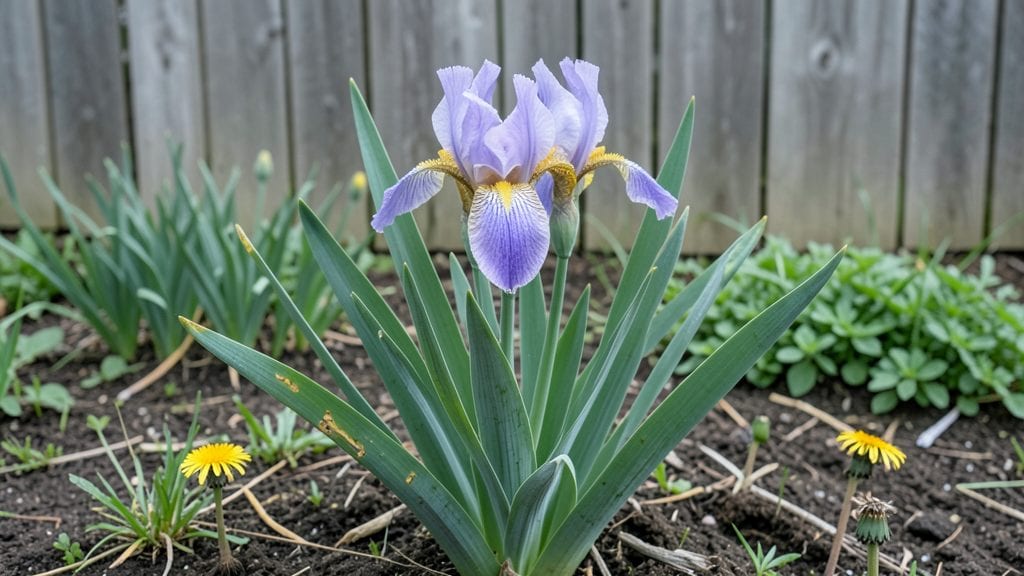
Pink iris plants bring that jaw-dropping spring color to gardens with almost no fuss—once you get the basics right. 🌸 I’ve grown them for years, and the secret to their vibrant blooms isn’t complicated: it’s all about the soil, sunlight, and a little patience.
Most gardeners overwater or plant them too deep, which kills those dramatic flowers before they even open.
Their care routine is simpler than you’d think. You’ll need well-draining soil (they hate soggy roots), 6+ hours of morning sun, and water only when the top inch feels dry. In my zone 5 garden, they come back year after year with fewer weeds and less work than annuals.
The real magic happens when you divide clumps every 3-4 years—suddenly, you’ve got double the blooms.
What you’ll end up with are clusters of velvety petals that last weeks, often reblooming in late summer if you deadhead spent flowers. The fragrance—sweet and honey-like—draws bees while keeping deer away. Even my black thumb can’t kill these, and they look stunning in borders, containers, or along ponds.
Works for both sunny borders and part-shade gardens, and they naturalize beautifully over time. Ready to grow irises that outshine everything else in spring? Let’s get started with the foolproof method.
📚 In This Guide
- What you need
- Instructions
- Tips and common mistakes
- Wrapping up and next steps
What you need
- ● Pink iris rhizomes: 3–5 healthy, firm rhizomes (ensure they have at least one growth eye).
- ● Well-draining soil: A mix of garden soil, compost, and coarse sand or perlite (ratio: 60% soil, 30% compost, 10% sand/perlite).
- ● Garden fork or trowel: For digging and planting rhizomes.
- ○ Organic mulch: 2–3 inches of shredded bark, straw, or pine needles (optional but helpful for moisture retention).
- ● Slow-release fertilizer: 10-10-10 or a balanced bloom booster (follow package instructions).
- ● Gloves: Heavy-duty gardening gloves (irises can be prickly!).
- ● Watering can or hose with a gentle spray nozzle: Avoid overwatering the rhizomes.
- ● Sunlight spot: A location with full sun (6+ hours/day) or partial shade (for warmer climates).
- ○ Drip irrigation or soaker hose (optional): For consistent moisture without soggy soil.
- ○ Plant labels (optional): To track varieties if you’re experimenting with multiple types.
- ● 🔥 Rhizome prep: Soak rhizomes in water for 1–2 hours before planting to encourage root growth.
- ● ✨ Spacing: Plant rhizomes 12–18 inches apart (deeper for clay soil, shallower for sandy soil).
- ● 🌡️ Climate note: In zones 3–9, plant in early fall for best blooms next spring!
Step-by-step guide to planting and caring for pink iris
Pink iris thrives with minimal fuss—here’s how to plant and nurture them for stunning, long-lasting blooms.
🌱 Step 1: Choose the Right Location and Soil
Pink iris loves full sun—at least 6 hours daily—and well-draining soil. I always pick a spot with morning sun and afternoon shade if summers are scorching, as this prevents wilting. Avoid low-lying areas where water pools, as soggy roots lead to rot.
Amend heavy clay soil with 2-3 inches of coarse sand or perlite to improve drainage. A slightly acidic to neutral pH (6.0-7.0) works best. Test your soil—if it’s too alkaline, add sulfur or peat moss to adjust. The goal is soil that feels like a damp sponge, not a muddy mess.
🪴 Step 2: Plant Rhizomes at the Correct Depth
Dig a hole 3-4 inches deep—just enough so the top of the rhizome (the thick, fleshy root) sits above soil level. Planting too deep suffocates the rhizome, while burying it too shallowly exposes it to rot. Space rhizomes 12-18 inches apart to give roots room to spread.
Gently spread the roots downward and fan them out. If you’re planting in clay-heavy soil, mix in 1 part perlite to 3 parts soil in the hole to boost drainage. Water lightly after planting to settle the soil, but don’t drown it. The rhizome should feel snug but not compressed.
☀️ Step 3: Provide Water and Mulch Strategically
Water deeply once a week after planting to encourage root growth, but reduce frequency once established. Iris roots hate soggy conditions—yellowing leaves are your first sign of overwatering. Instead, aim for 1 inch of water per week, including rainfall. Let the top 2 inches of soil dry out between waterings.
Apply 2-3 inches of organic mulch (like shredded bark or pine needles) around the base, but keep it 6 inches away from the rhizome to prevent rot. Mulch helps retain moisture and suppress weeds, but too much smothers the rhizome. Replenish mulch annually in early spring.
✂️ Step 4: Prune and Divide for Long-Term Health
Deadhead spent blooms by cutting the stalk 2 inches above the rhizome to redirect energy into next year’s flowers. Never cut into the rhizome itself—this invites disease. I also trim any yellow or damaged leaves to keep the plant tidy and reduce pest attraction.
Every 3-4 years, divide congested clumps in early spring before new growth appears. Dig up the rhizome, separate the sections with a clean, sharp knife, and replant the healthiest pieces. Discard any mushy or shriveled rhizomes—they won’t regrow. This step keeps blooms vibrant and prevents overcrowding.
🌿 Step 5: Fertilize Lightly for Vibrant Blooms
Feed iris once in early spring with a balanced, low-nitrogen fertilizer (like 10-10-10) at half the recommended rate. Too much nitrogen produces lush leaves but few flowers. After blooming, switch to a low-phosphorus, high-potassium fertilizer (like 5-10-10) to encourage root strength for winter.
I skip fertilizers in fall and winter—iris stores nutrients in its rhizome naturally. If your soil is rich, you might not need fertilizer at all. Always water before applying fertilizer to prevent root burn, and rinse the soil afterward to avoid salt buildup.
Tips & tricks for perfect pink iris plant care
Here's what I've learned after years of growing these stunning perennials—simple tricks that make all the difference between healthy plants and struggling ones.
Location Intelligence: I always scout my planting spot during the hottest part of the day. If the ground feels scorching, that's your sign to choose a location with morning sun and afternoon shade. Pink iris can handle full sun, but those afternoon rays in summer can stress the plants—especially in the first year after planting.
Soil Test Tip: Don't guess about your soil pH—pick up a testing kit from your local garden center for just a few dollars. I've seen people add sulfur to soil that was actually perfect, thinking it needed adjustment. Aim for that 6.0-7.0 range, and remember: iris roots prefer soil that drains like a damp sponge rather than holding water like a muddy puddle.
Planting Depth Secret: The top of that fleshy rhizome should peek above soil level—it's not buried like a bulb. I mark the rhizome with a pencil before planting to ensure I get the depth right. Too deep and it'll rot; too shallow and it'll dry out. That 3-4 inch hole depth is your sweet spot for happy rhizomes.
Dividing Strategy: When it's time to divide those congested clumps every 3-4 years, I time it for early spring when new growth is just starting to appear. Use a clean, sharp knife to separate sections—never pull them apart by hand. Look for rhizomes that are firm and plump; discard any that feel mushy or shriveled, as they won't regrow. This is your chance to refresh your plants and get even more vibrant blooms next season.
Pro Tips for Pink Iris Plant
- Here's what I've learned after years of growing these stunning perennials—simple tricks that make all the difference between healthy plants and struggling ones.
- Location Intelligence: I always scout my planting spot during the hottest part of the day.
- Soil Test Tip: Don't guess about your soil pH—pick up a testing kit from your local garden center for just a few dollars.
Frequently asked questions
about pink iris plants—because even the most stunning blooms come with a few curious questions! Here are answers to the most common ones to help you grow with confidence.How do I know if my pink iris is healthy?
A healthy pink iris has firm, upright leaves (not yellowing or mushy) and sturdy stems with vibrant blooms. Check for no signs of pests (like holes or webbing) or mold on the rhizomes. If leaves flop or flowers wilt quickly, it may need more water or sunlight!
When is the best time to plant pink iris rhizomes?
Plant iris rhizomes in early fall or late winter (before new growth starts). This gives roots time to establish before summer heat. Avoid planting in spring—rhizomes can rot if soil is too warm. Pro tip: Never bury them too deep! (Just 1-2 inches of soil covers the top.)
Why aren’t my pink iris flowers opening?
Blooms might stay closed due to too much shade, overcrowded rhizomes, or lack of sunlight (they need 6+ hours of sun daily). Try thinning out old rhizomes or relocating to a sunnier spot. If flowers form but don’t open, it could also signal stress from drought or pests.
Can I grow pink iris in containers? Yes—but with caveats!
Pink irises can thrive in pots if the container is at least 12 inches deep with drainage holes. Use a well-draining mix (like cactus soil + perlite) and repot every 2-3 years to refresh roots. Warning: Container-grown irises may bloom less than in-ground plants.
What pests should I watch for with pink iris plants?
Common culprits include iris borers (look for sawdust-like frass in stems), thrips (silver streaks on petals), and slugs (chewed leaves). Prevent borers by removing old foliage in fall. For thrips, spray with neem oil. Slugs? Try beer traps or diatomaceous earth!
How long does it take for pink iris to bloom after planting?
Patience is key! First-year rhizomes often focus on root growth, so blooms may appear year 2 or 3. Established plants (3+ years) typically bloom spring to early summer. Pro tip: Deadhead spent blooms to encourage stronger future flowers.
Wrapping up and next steps
Growing a pink iris plant is a rewarding journey that brings bursts of color to your garden with minimal fuss! 🌸 With the right soil, sunlight, and occasional care, these beauties will thrive and reward you with stunning blooms year after year.
Whether you’re a seasoned gardener or just starting, their low-maintenance nature makes them a perfect addition to any outdoor space.
Ready to dive in? Start by gathering your supplies and choose a sunny spot in your garden—your pink iris adventure awaits! 🌱