Pests
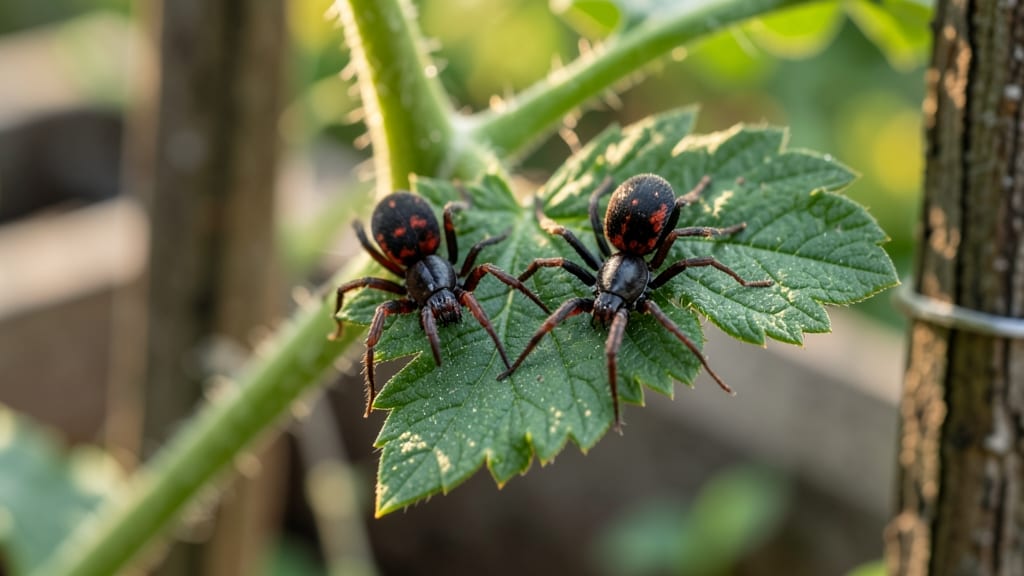
Seeing spiders on tomato plants might make you reach for sprays, but those eight-legged helpers are actually your garden’s unsung protectors—if you know how to tell the good ones from the troublemakers. 🌱 I’ve wrestled with this exact issue, and the key is telling the difference between harmless garden spiders (your silent pest controllers) and the tiny troublemakers like spider mites that drain your plants.
The first step? A closer look with a magnifying glass—because what seems like a spider might actually be a microscopic menace.
Most garden spiders are allies, but spider mites are the real villains—those microscopic red dots that suck sap and leave webbing behind. The good news? Both problems have simple, organic solutions. A strong spray of water dislodges mites, while introducing ladybugs or lacewings keeps populations in check.
I’ve seen entire infestations vanish in under a week with these methods, and your tomatoes stay safe without chemical residue.
What you’ll end up with is a tomato plant that thrives, not just survives. The leaves stay vibrant, the fruit ripens without blemishes, and you avoid the heartbreak of a ruined harvest.
Prevention is just as easy: regular pruning for airflow, neem oil sprays every two weeks, and keeping beneficial insects happy in your garden. It’s a system that works whether you’re growing in raised beds or containers.
Here’s the thing—this approach works for any garden, from backyard plots to balcony containers. The tools you need are already in your kitchen or garden shed, and the results speak for themselves. Let’s get those tomatoes back to their full, healthy glory without the spider drama.
Root Causes Of Webbed Invaders
If you’ve spotted tiny silk webs or eight-legged visitors on your tomato plants, you’re not alone. These uninvited guests—often spider mites or harvestmen—don’t just appear randomly. Their presence is usually a sign of underlying issues in your garden’s ecosystem.
Understanding why they’re there is the first step to reclaiming your thriving tomato patch. Let’s break down the most common triggers:
Spider mites, in particular, thrive in hot, dry environments. When temperatures soar above 85°F (29°C) and humidity drops, these microscopic pests become more active. Here’s why:
- Stress weakens plants: Tomato plants under drought stress produce less sap, making them easier prey for mites.
- Mites multiply faster: Heat accelerates their life cycle—some species can complete a generation in just 5–7 days.
- Webbing becomes visible: In dry conditions, mites spin more silk to retain moisture, creating the telltale webs.
Actionable fix: Monitor soil moisture (aim for 1–2 inches deep) and use mulch to retain humidity. A light misting in the morning can also deter mites.
Healthy tomato plants are resilient, but when they’re overcrowded, nutrient-deficient, or diseased, they become prime targets. Here’s how stress invites pests:
- Reduced natural defenses: Stressed plants produce fewer volatile organic compounds (VOCs), which repel pests naturally.
- Sap buildup attracts mites: Damaged or struggling plants leak sugars, creating a buffet for spider mites.
- Harvestmen seek shelter: These harmless but creepy crawlies hide in dense foliage, especially if the plant is already weakened.
Actionable fix:
- Prune plants to improve airflow (aim for 12–18 inches between stems).
- Test soil pH (6.0–6.8 is ideal for tomatoes) and amend with compost if needed.
- Remove yellowing or diseased leaves immediately to prevent spread.
In a balanced garden, predators like lacewings, ladybugs, and parasitic wasps keep spider mite populations in check. But if these helpers are missing, mites take over. Common reasons include:
- Pesticide overuse: Broad-spectrum chemicals (e.g., neonicotinoids) kill beneficial insects along with pests.
- Monoculture gardening: Planting only tomatoes (or similar crops) eliminates habitat diversity for predators.
- Urban or isolated gardens: Fewer wild predators migrate into small or urban spaces.
Actionable fix:
- Introduce beneficial nematodes (e.g., Steinernema feltiae) to target mites without harming plants.
- Plant companion crops like marigolds, basil, or dill to attract predatory insects.
- Avoid synthetic pesticides—opt for neem oil or insecticidal soap as last resorts.
Inconsistent watering creates the perfect storm for spider mites. Here’s how:
- Drip irrigation vs. overhead watering: Mites hate moisture on their bodies. Overhead sprinklers can wash them away, but drip systems (which keep foliage dry) often allow populations to explode.
- Uneven moisture stress: Plants watered sporadically develop osmotic stress, making them more attractive to mites.
- Hard water buildup: Mineral deposits from hard water can clog soil pores, reducing drainage and further stressing plants.
Actionable fix:
- Water deeply 2–3 times per week (early morning is best) to encourage strong root growth.
- Use a rain gauge to ensure consistent soil moisture (aim for 1–1.5 inches per week).
- If using hard water, flush soil occasionally with rainwater or filtered water to reduce mineral buildup.
Sometimes, the problem starts before you even plant. Spider mites can hitchhike on:
- New tomato seedlings: Many nursery-bought plants are pre-infected with mites or eggs.
- Infested soil or compost: Mites can survive in dormant stages for months in garden beds.
- Windborne spores: In heavy-infestation areas, mites may blow in from neighboring gardens.
Actionable fix:
- Inspect new plants for webs or speckling before bringing them home. Quarantine for 2 weeks if unsure.
- Solarize soil in spring by covering it with clear plastic for 4–6 weeks to kill overwintering mites.
- Use potting mix sterilized with heat or steam for container-grown tomatoes.
Practical Ways to Remove & Prevent Spiders
Spiders on your tomato plants might seem like a creepy nuisance, but with the right approach, you can safely remove them and keep your garden thriving. Below are targeted solutions based on the most common causes—whether it’s accidental hitchhikers, hunting for pests, or seeking shelter.
Each fix is designed to be effective, humane, and easy to implement, so you can protect your plants without harming the spiders (or your sanity!).
If spiders are just passing through or hiding in dense foliage, they’re likely not a major threat. The goal here is gentle removal and preventing future visits.
🔥 Step 1: Relocate Them Outside the Garden
- Use a jar and paper: Gently coax the spider into a glass jar (or a small container) using a piece of paper or a stick.
Slide a second piece of paper over the opening, then flip the jar to release the spider at least 10 feet away from your plants. - Dusting method (for webs): If spiders are weaving webs in your tomato plants, lightly dust the foliage with diatomaceous earth (DE) or talcum powder.
This disrupts their movement without killing them—just guide them toward the exit!
🍳 Step 2: Reduce Hiding Spots Spiders love dense, shady areas.
To discourage them: - Prune overgrown branches to improve airflow and sunlight exposure. - Remove debris (like old leaves or mulch piles) near your tomato plants. - Install fine mesh netting over young plants to block entry points.
💡 Pro Tip:
🔥 Nighttime is prime time for spider activity. If you spot them frequently, do relocations after sunset when they’re most active.
If spiders are controlling other pests (like aphids or whiteflies), you might not want to eliminate them entirely. Instead, manage their population naturally while keeping them from overstaying their welcome.
👨🍳 Step 1: Encourage Beneficial Predators
Spiders help control pests, but you can boost their competition with other allies:
- Ladybugs and lacewings also eat aphids—introduce them to your garden.
- Plant companion flowers like marigolds or basil, which attract these helpful insects.
🥘 Step 2: Use Spider-Repellent Plants
Some plants naturally deter spiders due to their scent. Try:
- Mint
- Lavender
- Rosemary
Plant these around the perimeter of your tomato patch to create a spider-free buffer zone.
✨ Step 3: Disrupt Their Hunting Grounds
- Spray water on webs to knock them down (do this in the early morning so spiders can rebuild elsewhere).
- Rotate crops if possible—spiders are less likely to linger in frequently disturbed soil.
If spiders are nesting in your tomato plants, they’re likely using them for protection. The fix? Make your garden less inviting.
🔪 Step 1: Seal Entry Points
- Check for cracks in pots, trellises, or garden tools where spiders might hide.
- Store firewood and mulch away from tomato plants (spiders love these spots).
🌡️ Step 2: Adjust Moisture Levels
Spiders thrive in humid conditions. To dry them out:
- Water tomato plants at the base (not overhead) to reduce leaf dampness.
- Improve drainage in containers to prevent soggy soil, which attracts spiders.
🎯 Step 3: Use Natural Deterrents
- Essential oil spray: Mix 1 tsp of peppermint or citrus oil with 1 cup of water and spray around (not on) plants.
Spiders dislike these scents! - Crushed garlic or chili powder: Sprinkle lightly around the base of plants (reapply after rain).
Once you’ve removed the current spiders, prevent future visits with these low-effort strategies:
| Prevention Method | How to Do It | Why It Works |
|---|---|---|
| Regular pruning | Trim back overgrown tomato vines weekly. | Reduces hiding spots and improves airflow. |
| Neem oil spray | Apply neem oil (diluted) to leaves. | Disrupts spider silk and deters them. |
| Diatomaceous earth (DE) | Sprinkle lightly on soil and leaves. | DE dehydrates spiders without chemicals. |
| Companion planting | Grow garlic, onions, or thyme nearby. | Strong scents repel spiders naturally. |
| Clean garden tools | Wipe down pruners and trowels after use. | Prevents spider eggs hitching a ride. |
- ❌ Avoid pesticides: Most sprays kill beneficial insects too—spiders help control pests!
- ❌ Don’t drown spiders: If you must kill them, use soapy water in a sealed container (humane but effective).
- ❌ Ignore early signs: If you see one spider, check for more—they travel in groups!
By following these targeted, spider-friendly solutions, you’ll keep your tomato plants thriving while maintaining a balanced, pest-free garden. Happy gardening! 🌱🍅
Frequently asked questions
Are the spiders on my tomato plants harmful?
Not all spiders are bad news! Large garden spiders and jumping spiders help control pests like aphids. The real troublemakers are spider mites—microscopic red dots that spin webs. Check for tiny speckling on leaves or silvery webbing to tell them apart.
How do I tell spider mites apart from harmless spiders?
Spider mites are too small to see without magnification (they’re 0.004 inches long!) and leave fine webbing on leaves. Harmless spiders are visible to the naked eye and don’t create webs on plants. Use a magnifying glass for close inspection.
What’s the fastest way to remove spider mites?
Blast them off with a strong spray of water in the morning—this dislodges both mites and eggs. For stubborn infestations, mix 1 tablespoon of dish soap with 1 quart of water and spray every 3 days until gone. Neem oil also works well.
Will spider mites kill my tomato plants?
They won’t kill mature plants, but severe infestations can stunt growth and reduce fruit quality. Heavy mite damage causes yellowing leaves and weakened stems. Act fast with organic sprays to protect your harvest.
Can I use chemical sprays for spider mites?
Chemical sprays like pyrethrin work fast but also kill beneficial insects. For organic gardens, stick to neem oil, insecticidal soap, or predatory mites (like Phytoseiulus persimilis). These target mites without harming your garden’s ecosystem.