
Blooming
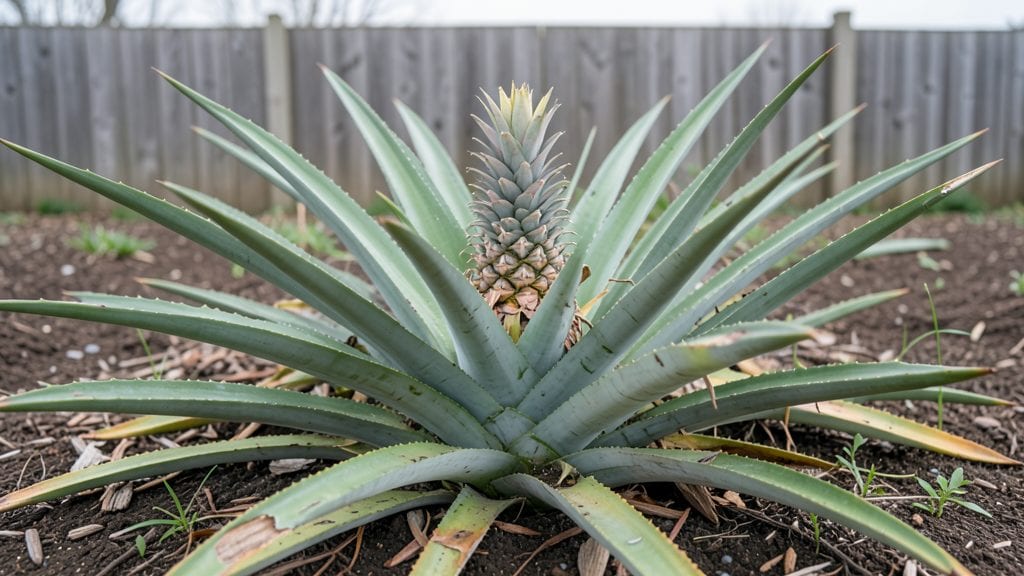
Your pineapple plant can bloom indoors with the right tricks 🌲 — even if you live in a climate where tropical fruit trees never make it past a houseplant shelf.
Watch your pineapple plant bloom indoors and enjoy fresh fruit straight from your windowsill—if you know the secret tricks to force flowering, even in small spaces.
Most gardeners assume pineapples only thrive in tropical climates, but with the right techniques, you can trigger that iconic flower spike in just a few months.
Here’s the game-changer: a temperature drop of just 10°F for a few weeks tricks your plant into thinking it’s time to flower. Combine that with the right light, water, and a pinch of ethylene gas (yes, it’s real), and you’ll see that first purple spike in 3-6 months—not years.
Below, I break down the exact steps to coax blooms from your pineapple, whether you’re growing it from a crown or a mature plant, and how to troubleshoot when things go wrong.


How to force a pineapple plant to bloom indoors: step-by-step guide
Forcing a pineapple plant to bloom indoors is one of the most rewarding gardening challenges you can tackle. These tropical plants typically need specific conditions to produce their iconic flower spike, but with the right approach, you can trigger blooming in just 3-6 months.
The key lies in mimicking their natural tropical environment while adding a few strategic tricks.
Your pineapple plant needs three critical factors to bloom: temperature shifts, exposure to ethylene gas, and consistent care adjustments. Most indoor growers miss the temperature manipulation step, which is essential for breaking dormancy.
Once you master these techniques, you’ll see that purple flower spike emerge, followed by fruit development.
Step-by-Step Guide to Forcing Pineapple Blooms
-
Step 1: Ensure Plant Maturity
Your pineapple plant must be at least 18-24 months old with 8-10 leaves. Younger plants won’t have the energy reserves to produce flowers. If yours is smaller, give it 6-12 months of optimal care before attempting to force blooms. -
Step 2: Provide Full Sun Exposure
Place your plant in a south-facing window or under grow lights for 12-14 hours daily. Pineapples need intense light to develop the energy required for flowering. If natural light is insufficient, supplement with LED grow lights (5000K-6500K). -
Step 3: Apply Ethylene Gas Treatment
Ethylene is a natural plant hormone that triggers flowering. Place your pineapple near a ripe apple or banana in a sealed plastic bag for 24-48 hours. Alternatively, use an ethylene generator (available at garden centers) for 2-3 days. This mimics the plant’s natural response to stress. -
Step 4: Create a Temperature Shock
Move your plant to a cooler location (50-55°F) for 7-14 days to simulate winter conditions. This breaks dormancy and signals the plant to flower. Use a cool basement or garage (avoid frost exposure). Return it to 75-85°F afterward. -
Step 5: Fertilize for Blooming
Switch to a high-phosphorus fertilizer (e.g., 10-20-10 NPK) to support flower development. Apply every 4-6 weeks during the forcing process. Avoid over-fertilizing, as this can stress the plant. Water thoroughly after each application. -
Step 6: Monitor for Flower Spike
Watch for a purple or red flower spike emerging from the plant’s center. This typically appears 4-8 weeks after the ethylene treatment. Once the spike reaches 6-12 inches, the plant will begin producing tiny white flowers that develop into fruit. -
Step 7: Support Fruit Development
If a pineapple fruit forms, reduce fertilizer to half-strength and increase water slightly. The fruit will take 5-7 months to mature. Place a small mesh bag over the fruit to protect it from pests while allowing airflow.
🌱 Pro Tip: Keep a gardening journal to track temperature changes, ethylene exposure dates, and flower spike emergence.
Patience is key when forcing a pineapple to bloom indoors. The temperature shock and ethylene treatment are the most critical steps, but consistency in light exposure and fertilization will determine success.
Most gardeners see results within 3-6 months, but some may need up to a year, depending on the plant’s maturity.
Once your pineapple blooms, you’ll notice tiny white flowers along the spike, each with a vibrant yellow center. These flowers will eventually develop into a small pineapple fruit, though it may not be as large as store-bought varieties. The process is just as rewarding as the harvest!
If your plant doesn’t bloom after the first attempt, don’t be discouraged. Repeat the process the following year, as some pineapples need 2-3 cycles of care adjustments before producing flowers. With each attempt, you’ll refine your technique and get closer to that iconic tropical fruit growing right on your windowsill.
Remember, indoor pineapples thrive on attention and consistency. Treat your plant like a houseplant royalty, and it will reward you with a stunning bloom and the sweet taste of homegrown fruit. Happy growing!
Common mistakes that prevent pineapple plants from blooming (and how to fix them)
If your pineapple plant refuses to bloom, you’re not alone—many gardeners struggle with this tropical plant’s picky flowering habits. The good news? Most issues stem from simple care mistakes that are easy to correct. From sunlight deprivation to overwatering, these missteps can stall blooming for months or even years.
Pineapples are light-loving plants that need precise conditions to trigger flowering. Without the right balance of sunlight exposure, temperature regulation, and maturity signals, your plant may stay in a vegetative state indefinitely.
Let’s tackle the most common culprits and how to fix them before your next growing season.
⚠️ Warning: Your Pineapple Needs More Than Just Love!
Pineapple plants won’t bloom unless they receive 6+ hours of direct sunlight daily. Without this, their energy goes into leaf growth instead of flowering. Even indoor plants need a south-facing window or grow lights for 12-14 hours/day. A common mistake? Placing them in low-light spots like north-facing rooms or behind curtains.
Another frequent issue is overwatering, which suffocates roots and prevents the plant from sending signals to bloom. Pineapples thrive in well-draining soil and prefer their roots to dry out slightly between waterings.
If your plant’s soil stays soggy, it won’t trigger the hormonal changes needed for flowering. Always check the top 2 inches of soil—if it’s damp, wait before watering again.
Age matters too! Most pineapple plants won’t bloom until they’re at least 2-3 years old. If yours is younger, be patient—rushing with fertilizers or tricks won’t help. Focus on balanced care (like a 10-10-10 fertilizer every 2 months) to encourage steady growth.
For mature plants, try the ethylene trick: Place a ripe apple near your plant for 24-48 hours to mimic natural flowering cues.
Temperature swings can also halt blooming. Pineapples love warmth between 70-85°F and high humidity. If your home dips below 60°F at night or has dry air, your plant may go dormant.
Use a humidifier or place the pot on a pebble tray to maintain ideal conditions. Avoid drafts from AC vents or heaters, which stress the plant.
Finally, lack of maturity signals often stalls blooming. Pineapples need a clear sign that they’re ready to reproduce—like a tight crown or mature leaves. If your plant’s leaves are still growing outward aggressively, it’s not ready.
Prune any yellow or damaged leaves and redirect energy to the center by reducing water slightly. With these fixes, you’ll see that iconic flower spike in as little as 3-6 months!