
Companion Plants
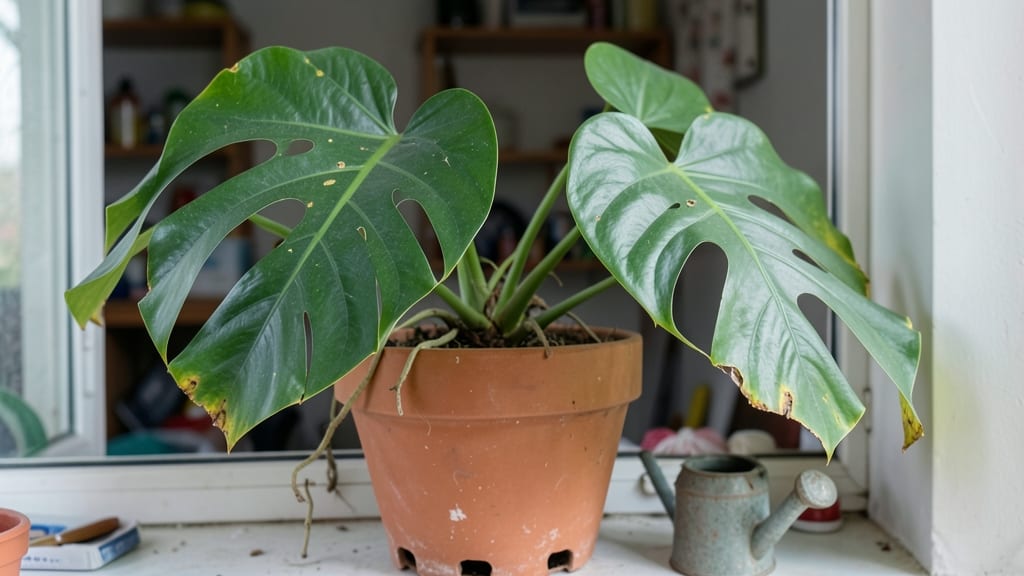
Gardening tropical plants 🌱 can transform your space into a vibrant jungle—but without the right conditions, even the hardiest varieties will wither.
Picture this: your hibiscus blooms refuse to open, your ferns crisp at the edges, and your orchids drop leaves like it’s a monsoon season. The problem? Tropical plants aren’t just picky—they’re demanding about humidity, light, and soil.
Get these three factors wrong, and you’ll spend more time nursing sad plants than admiring them.
Here’s the good news: with the right setup, you can grow lush tropical greenery whether you’re in Zone 10 or a concrete apartment. I’ll walk you through the exact conditions these plants crave—no guesswork, just proven tricks to keep them thriving year-round.
From misting schedules that actually work to soil mixes that breathe, you’ll discover how to turn your garden (or windowsill) into a tropical paradise—without the risk of losing your plants to neglect.
How to mimic tropical humidity levels indoors and outdoors
Tropical plants thrive in 60-80% humidity, but most homes hover around 30-50%. Without intervention, your orchids, calatheas, and fern collections will suffer from crispy edges and stunted growth.
The good news? Mimicking tropical humidity is easier than you think—whether you're working with indoor pots or outdoor garden beds.
Start by understanding your plants' specific humidity needs. Some, like philodendrons, tolerate 40-50% humidity, while others, such as maidenhair ferns, demand 70% or higher.
Seasonal shifts—like dry winter air—can push your indoor humidity below 30%, triggering stress signals like brown leaf tips or curling fronds.
For outdoor gardens, create microclimates that trap moisture. Group plants together, use mulch to retain soil moisture, and add shade cloth to slow evaporation. Even a simple water feature, like a small fountain or birdbath, can boost local humidity by 5-10%.
Indoors, pebble trays are my go-to for low-maintenance humidity. Fill a shallow tray with pebbles and water, then place pots on top—evaporation creates a mini humidifier. For larger setups, consider a humidifier dome (like those for orchids) or a spray bottle for daily misting.
Just avoid soaking leaves, which can lead to fungal infections.
| Plants | Ideal Humidity | Indoor Solution | Outdoor Solution |
|---|---|---|---|
| Orchids | 70-80% | Humidifier dome + pebble tray | Shade cloth + mulch |
| Calatheas | 60-75% | Daily misting + humidifier | Group with other plants |
| Ferns | 70-85% | Pebble tray + humidifier | Drip irrigation system |
| Philodendrons | 40-60% | Pebble tray only | Morning watering |
| Hibiscus | 50-70% | Humidifier near plant | Windbreak + mulch |
Seasonal adjustments are key. In winter, when indoor air dries out, I run a small humidifier near my plant collection and increase misting to twice daily. For summer, outdoor plants benefit from morning watering to reduce evaporation.
If you notice yellowing leaves or drooping fronds, it’s often a sign of under-humidification—not overwatering.
For large collections, invest in a whole-room humidifier or create a plant greenhouse corner with a clear plastic sheet and a fan for airflow. Even a $10 spray bottle can work in a pinch—just aim for the soil and air around the plant, not the leaves.
Over-misting leads to powdery mildew, so balance is everything.
Outdoor gardens can leverage natural humidity traps. Plant tall grasses or bamboo near tropical specimens to create a windbreak that retains moisture. Add a thick layer of mulch (3-4 inches) to lock in soil humidity.
In arid climates, consider a drip irrigation system on a timer to mimic tropical rainfall patterns.
Pro tip: Use a hygrometer ($10 on Amazon) to monitor humidity levels. Place it near your plants to track daily fluctuations. If readings drop below 50%, act fast—even one day of low humidity can stress delicate tropical foliage. Adjust your methods based on real-time data, not guesswork.
Remember, consistency is more important than perfection. A pebble tray might only bump humidity up by 5-10%, but combined with grouping plants and regular misting, you’ll create a microclimate that feels like a jungle retreat.
With these tricks, your tropical plants will reward you with vibrant growth all year round. 🌿
Light requirements for tropical plants: bright indirect vs. dappled sun
Tropical plants thrive under specific light conditions that mimic their natural habitats—bright indirect light or dappled sun. Too much direct sunlight can scorch leaves, while insufficient light leads to stunted growth and pale foliage. Understanding these needs helps you position plants perfectly, whether indoors or outdoors.
Most tropical plants prefer bright indirect light, which means they should receive filtered sunlight—like under a sheer curtain or in a shaded patio. Plants like philodendrons and pothos flourish here, while monstera deliciosa and calatheas need slightly more light but still avoid harsh rays.
Outdoors, dappled sunlight (filtered through tree canopies) works best for most tropicals. Indoors, place them near east-facing windows or use grow lights to supplement natural light. If leaves turn yellow or brown, it’s a sign of light stress—adjust their position immediately.
🌿
If your tropical plants show signs of light deficiency—like slow growth or small, dark leaves—move them closer to a light source. For indoor setups, grow lights (LED or fluorescent) can provide the 6-8 hours of light many tropicals need.
Place them 6-12 inches above the plant and adjust height as they grow.
Outdoor tropicals benefit from morning sun and afternoon shade. If you’re growing them in containers, use lightweight pots to make moving them easier when adjusting for sunlight changes. Always monitor your plants’ reactions and tweak their environment accordingly.
🪴