
Planting
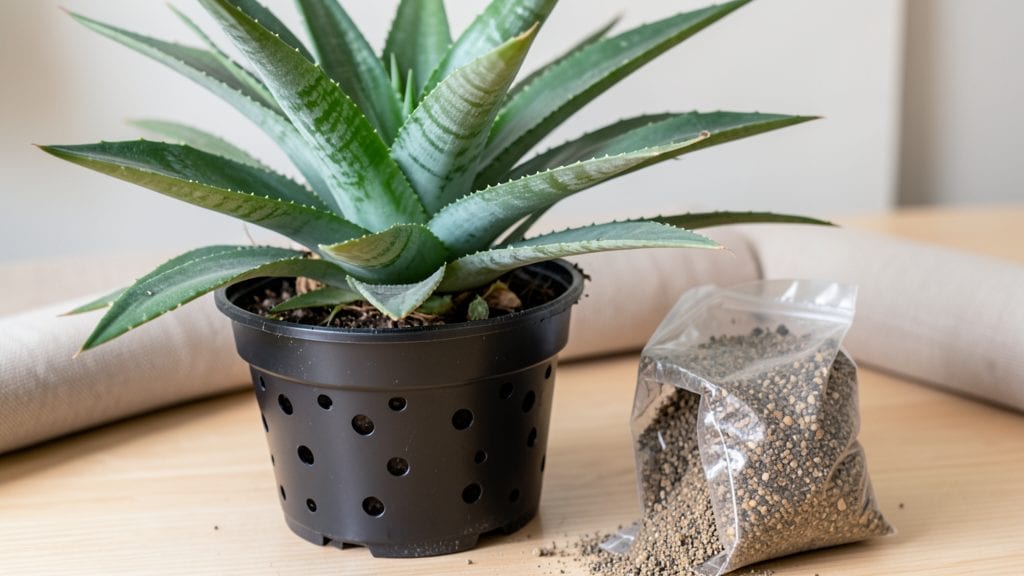
Repotting pineapple plants is the secret to keeping them thriving when they outgrow their current home. 🌱 I’ve learned the hard way that skipping this step leads to stunted growth, yellowing leaves, or even root rot—none of which you want with a plant this dramatic.
The key is timing, soil, and a gentle touch, because pineapples are stubborn but reward patience with bold, spiky beauty.
The right time to repot is when you see roots circling the bottom of the pot or water draining too quickly. You’ll need a container just 1-2 inches larger in diameter, a fast-draining mix of cactus soil and perlite, and a clean pair of pruners for any dead foliage.
Most people overlook drainage, but pineapples hate soggy roots—this is where many repotting failures happen.
After repotting, your pineapple will look a little shocked at first, but within a few weeks, it’ll send out new roots and leaves. The trick is keeping it in bright, indirect light and watering only when the top inch of soil feels dry.
Avoid fertilizing for the first month—let the plant focus on settling in before you add extra nutrients.
This method works for both young plants and mature ones, though larger specimens may need staking for support. Even if you’ve killed pineapples before, these steps make it impossible to mess up—just give it time and the right conditions. Ready to give your pineapple the fresh start it deserves?
📚 In This Guide
- What you need
- Instructions
- Tips and common mistakes
- Wrapping up and next steps
What you need
- ● New pot: Choose a container 1-2 inches wider than the current pot (e.g., if your pineapple is in a 6-inch pot, opt for an 8-inch one). Ensure it has drainage holes to prevent root rot.
- ● Well-draining potting mix: A blend of cactus/succulent mix (60%), perlite or pumice (20%), and coarse sand (20%). Avoid heavy garden soil!
- ● Pineapple plant: Gently remove it from its current pot, shaking off old soil to inspect roots.
- ○ Gloves (optional but recommended): Pineapple leaves can be sharp—protect your hands!
- ● Pruning shears or scissors: Sterilized tools to trim any dead or rotting roots (if needed).
- ● Watering can or spray bottle: For a light watering post-repotting.
- ● Plate or tray: To catch excess water during drainage.
- ● Slow-release fertilizer: A handful mixed into the new soil for a nutrient boost.
- ● Activated charcoal: 1-2 tablespoons to deter fungal growth.
- ● Mulch (e.g., gravel or pebbles): For a decorative touch and extra drainage.
- ● Rooting hormone (gel or powder): If your pineapple has offsets you’d like to propagate.
Step-by-step instructions for repotting pineapple plants
Here's how to refresh your pineapple's home for stronger roots and bigger fruit.
🪴 Step 1: Prepare the New Container and Drainage
Choose a container with drainage holes that's only 1-2 inches larger in diameter than your current pot. Pineapples don't need huge space—they prefer being slightly root-bound. Clean the new pot thoroughly with a 1:10 bleach-water solution to kill any lingering pathogens, then rinse well.
Place a 1-inch layer of orchid bark mix at the bottom for drainage. This prevents waterlogging, which pineapples despise. The bark will break down over time, adding organic matter to the soil. Tap the pot gently to settle the bark before adding soil.
🌱 Step 2: Gently Remove and Inspect the Plant
Water your pineapple plant 24 hours before repotting to soften the root ball and make removal easier. Turn the pot sideways and gently squeeze the sides while pulling upward—pineapple roots are fragile and break easily. If the plant resists, run a knife around the edge to loosen it.
Inspect the roots for any mushy or dark areas, which indicate rot. Trim these with clean scissors, then examine the crown (where leaves meet the stem). If you see dried or brown leaves, remove them completely—they'll only slow down new growth. Healthy roots should be white or light tan.
☀️ Step 3: Repot and Establish New Growth Conditions
Fill the new pot halfway with cactus/succulent mix, then place your pineapple in the center. The crown should sit just above the soil line—burying it too deep causes rot. Add more soil until the plant sits at the same level as before, then press lightly to eliminate air pockets. Leave a 1-inch gap at the top for watering.
Water thoroughly until water runs out the drainage holes, then let it drain completely. Place the repotted pineapple in bright, indirect light—direct sun can scorch freshly disturbed roots. Keep the soil slightly moist (not soggy) for the first 2 weeks, then reduce watering to every 2-3 weeks once established.
⏰ Step 4: Encourage Recovery and Growth (Optional)
Pineapples often go dormant after repotting, so don't panic if new growth slows. Wait until you see 2-3 new leaves before fertilizing—about 6-8 weeks after repotting. Use a balanced 10-10-10 fertilizer diluted to half-strength once a month during spring and summer.
This is also the time to check for pups (offspring plants) at the base. If you want to propagate, gently twist them off when they're 3-4 inches tall—they'll root easily in their own small pots with the same mix. Keep the parent plant in the same conditions; it'll reward you with bigger fruit next season.
Tips & tricks for repotting pineapple plants
Repotting your pineapple doesn't have to be stressful—here are my go-to tricks for keeping your tropical friend happy and thriving.
Timing is Everything: The 24-hour watering before repotting is your secret weapon. It softens the root ball just enough to slide out smoothly without breaking delicate roots. I've learned this the hard way—skipping it means wrestling with stubborn plants that resist like they're glued to the pot!
Root Care Matters: When inspecting roots in Step 2, focus on both color and texture. Healthy roots should be firm and white, while mushy or dark roots need immediate trimming. I always keep a small bowl of clean water nearby to rinse my scissors between cuts—this prevents spreading any potential rot. Between us, I've seen pineapples recover from minor rot, but the key is acting fast!
Drainage is Non-Negotiable: That 1-inch layer of orchid bark mix in Step 1 isn't just for show—it's your insurance against root rot. Pineapples hate soggy feet! If you notice water pooling at the bottom after watering, your drainage system needs improvement. I've had to repot twice because I skipped this step, and trust me, it's not pretty.
Light Conditions After Repotting: The first 2 weeks are critical for light placement. Bright, indirect light is your goal—think filtered sunlight rather than harsh midday rays. I place my repotted pineapples near an east-facing window where they get gentle morning light. Direct sun can scorch freshly disturbed roots, and you'll know it's happening when you see crispy brown edges on the leaves.
Pro Tips for Repotting Pineapple Plant
- Repotting your pineapple doesn't have to be stressful—here are my go-to tricks for keeping your tropical friend happy and thriving.
- Timing is Everything: The 24-hour watering before repotting is your secret weapon.
- Root Care Matters: When inspecting roots in Step 2, focus on both color and texture.
Frequently asked questions
Got questions about repotting your pineapple plant? You’re not alone! Here are answers to the most common concerns to keep your tropical friend thriving.
How often should I repot a pineapple plant?
Repot your pineapple every 1-2 years or when roots start circling the pot. Signs it’s time: roots poking through drainage holes or soil drying out too quickly. Over-potting stresses the plant, so opt for a container just 1-2 inches larger in diameter.
Can I repot a pineapple plant during winter?
Wait until spring or early summer (when temperatures are warm) to repot. Pineapples are sensitive to cold—repotting in winter can shock the plant, slowing growth or even causing root rot. If you must repot in cooler months, keep it in a warm, sunny spot for recovery.
What if my pineapple plant has no roots when repotting?
If your pineapple has no visible roots (like a bare crown), it’s likely a puppy (baby plant). Place it in a shallow dish of water for the base to sprout roots (1-2 weeks), then repot in well-draining soil. Avoid overwatering—rootless pups rot easily!
Is it better to repot pineapples in soil or water?
Pineapples thrive in soil, not water. Use a mix of cactus/succulent soil + perlite for drainage. Water-only repotting (like hydroponics) works short-term for rooting pups, but mature plants need soil. Always ensure excess water drains away to prevent soggy roots.
Why is my pineapple plant turning yellow after repotting?
Yellowing leaves often mean overwatering or root stress. Let soil dry completely between waterings (stick your finger in—if it’s damp, wait). If yellowing persists, check for root rot (smelly, mushy roots). Trim affected roots, repot in fresh soil, and reduce water for 2 weeks.
Wrapping up and next steps
Repotting your pineapple plant is a simple yet rewarding task that can revitalize its growth and keep it thriving for years. By choosing the right pot, soil, and timing, you’ll give your plant the fresh start it deserves—and maybe even enjoy sweet, tropical rewards down the line! 🌱
Now that you’re armed with the know-how, take the plunge and give your pineapple a cozy new home. Ready for the next step? Explore how to care for your repotted pineapple to ensure it stays happy and healthy!