
Watering
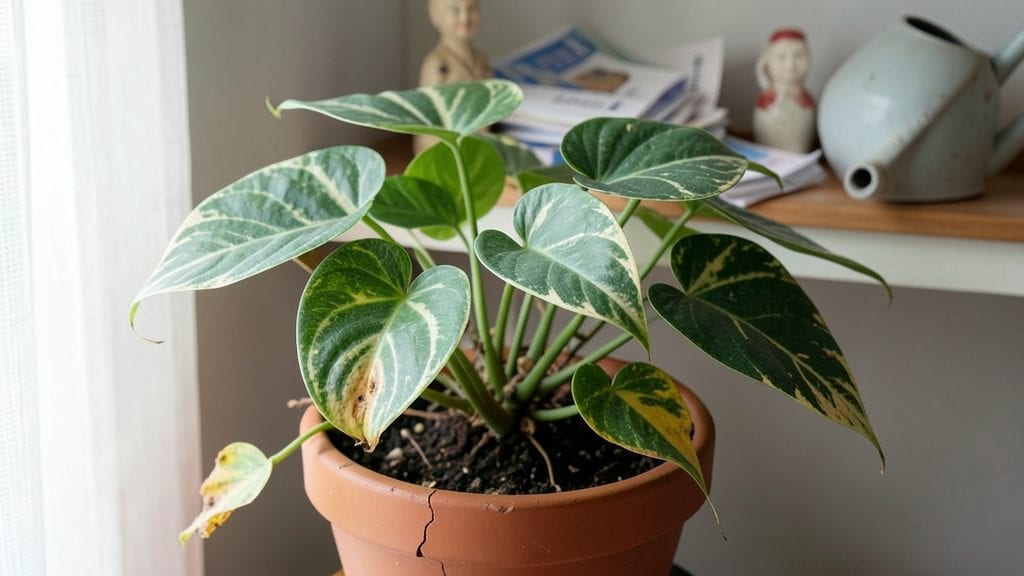
An overwatered arrowhead plant’s droopy leaves aren’t a death sentence—just a cry for help. 🌱 I’ve nursed more than a few back from the brink of root rot by adjusting watering habits and giving them room to breathe.
The key is recognizing the signs: yellowing leaves, mushy stems, and soil that smells sour instead of earthy.
Here’s the thing—arrowheads thrive on consistency, but they hate soggy roots. Most people overwater because they assume tropical plants need constant moisture. Instead, let the top inch of soil dry out between waterings, and always use pots with drainage holes.
If your plant’s already suffering, we’ll prune the damaged leaves and repot it in fresh, well-draining mix.
Within 10-14 days, you’ll see new growth pushing through, and the leaves will perk up like they’re fresh from the nursery. The secret? Less water, more airflow, and a little patience. Your arrowhead will bounce back—just give it a chance.
Once it’s revived, keep a journal of its watering schedule. I swear by checking soil moisture with my finger before watering—it’s the only way to avoid repeating the same mistake. Trust the process, and your plant will reward you with those signature heart-shaped leaves for years.
Why it happens
Arrowhead plants (Syngonium podophyllum) are tropical beauties that thrive in consistently moist—but not soggy—conditions. When they’re overwatered, their leaves turn yellow, droop, or develop mushy spots, signaling stress. But why does this happen? Let’s break down the science behind the soggy soil syndrome.
Arrowhead plants hate sitting in standing water because their roots need oxygen to breathe. If your pot lacks drainage holes or the soil is too dense (like heavy clay or compacted potting mix), excess water pools at the bottom instead of draining away.
Over time, this creates an anaerobic environment—where roots suffocate from lack of oxygen.
Key triggers:
- 🔹 No drainage holes in the pot (common with decorative or glazed containers).
- 🔹 Compacted soil that repels water, preventing it from seeping through.
- 🔹 Overzealous watering without checking soil moisture first.
Pro tip: 💡 Always use a pot with drainage holes and mix in perlite or orchid bark (20-30%) into your potting soil to improve aeration.
Arrowhead plants are not drought-tolerant, but they also don’t need daily drinks. Overwatering disrupts the plant’s natural hydration balance, leading to nutrient uptake failure and root rot. Here’s how it happens:
Common overwatering patterns:
- 🔹 Watering on a schedule (e.g., every 2 days) without checking soil dryness.
- 🔹 Using ice cubes or misting as a substitute for deep watering (surface moisture evaporates fast but doesn’t hydrate roots).
- 🔹 Ignoring humidity changes—high humidity slows evaporation, so soil stays wet longer.
Science alert: 🌡️ Arrowhead roots thrive when the top 1-2 inches of soil dry out between waterings. Use your finger to test—if it’s damp, wait!
Not all potting mixes are created equal. Arrowhead plants prefer well-draining, airy soil that mimics their native forest floor. Heavy, water-retentive mixes (like garden soil or pure peat) trap moisture, suffocating roots and inviting fungal infections like Phytophthora.
Red flags in soil:
- 🔹 Clay or loam-based soil (common in DIY mixes) that stays clumpy when wet.
- 🔹 Pure peat moss (holds water for weeks, starving roots of oxygen).
- 🔹 No organic matter (like coconut coir or worm castings) to improve structure.
Fix it: ✨ Repot your arrowhead in a mix of 50% peat/coco coir + 30% perlite + 20% orchid bark for the perfect balance.
Reviving Your Arrowhead Plant
If your arrowhead plant is looking the worse for wear, don’t panic—it’s often just a case of too much love (in the form of water!). With a few simple adjustments, you can nurse it back to health and keep it thriving.
Below are practical, step-by-step solutions tailored to the most common causes of overwatering, along with tips to prevent future mishaps.
Cause: Overwatering leads to root rot, which suffocates the plant and causes leaves to turn yellow or mushy.
How to Fix It:
- 🌱 Let the Soil Dry Out
- Stick your finger 1-2 inches deep into the soil. If it feels damp, wait another 2-3 days before watering.
- Arrowhead plants prefer slightly moist but well-draining soil—think "damp sponge," not a soggy washcloth.
- 🚿 Adjust Your Watering Routine
- Water only when the top inch of soil is dry (usually every 7-10 days, depending on humidity and light).
- Morning is best—this gives excess moisture time to evaporate before nightfall.
- ✂️ Trim the Damage
- Snip off yellow or brown leaves with clean scissors to redirect energy to healthy growth.
💡 Prevention Tip: Use a moisture meter or terracotta pot (which dries faster) to monitor soil moisture without guesswork.
Cause: Poor drainage or low light slows evaporation, trapping excess moisture and stressing the plant.
How to Fix It:
- 🏗️ Repot for Better Drainage (If Needed)
- If your plant’s pot has no drainage holes, transfer it to one with holes immediately.
- Mix in perlite, orchid bark, or sand (20-30%) to improve aeration.
- ☀️ Boost Indirect Light
- Arrowhead plants love bright, indirect light (like near an east or north window).
- If leaves are stretching toward light, it’s getting too little—rotate the pot occasionally.
- 🌬️ Increase Airflow
- Place a small fan nearby (on low) to mimic natural breezes and speed up drying.
🌡️ Pro Tip: Mist the leaves lightly (not soaking wet) 1-2 times a week to mimic humidity, but never let water pool in the crown.
Cause: Fungal growth or bacterial rot from sitting in wet soil can halt growth and spread disease.
How to Fix It:
- 🧼 Sterilize the Pot & Tools
- Scrub the pot with 10% bleach solution (1 part bleach to 9 parts water) or rubbing alcohol.
- Disinfect pruning tools with hydrogen peroxide to prevent reinfection.
- 🌱 Root Check & Prune
- Gently remove the plant from its pot and rinse the roots under lukewarm water.
- Trim black, mushy roots with sterilized scissors and replant in fresh, well-draining soil.
- 🌿 Apply Fungicide (If Needed)
- If you spot white mold or black spots, spray with a copper-based fungicide or neem oil solution (1 tsp neem oil + 1 tsp mild soap per quart of water).
✨ Prevention Tip: Avoid overcrowding plants—give your arrowhead space to breathe (12+ inches between pots).
🎯 Final Reminder: Arrowhead plants are forgiving—with the right care, they’ll bounce back faster than you think! Monitor, adjust, and be patient—your plant will thank you with lush, happy growth. 🌿✨
Frequently asked questions about reviving overwatered arrowhead plants
Why do arrowhead plant leaves turn yellow when overwatered?
Yellow leaves signal root stress from excess moisture. When soil stays soggy, roots suffocate and can't absorb nutrients, causing leaves to yellow from the bottom up. The plant's natural response is to drop damaged foliage to focus energy on survival.
How often should I water an arrowhead plant after fixing overwatering?
Water only when the top 1-2 inches of soil feel completely dry—typically every 7-10 days in normal conditions. Use your finger as a moisture gauge instead of sticking to a schedule. Morning watering helps prevent nighttime moisture buildup.
Can I save an arrowhead plant with black, mushy stems?
Yes, but act fast! Trim away all blackened stems and repot in fresh, well-draining mix. Sterilize your tools first to prevent infection. Place the plant in bright, indirect light and reduce watering immediately to prevent further rot.
What's the best soil mix for preventing future overwatering?
Use a blend of 50% peat/coco coir, 30% perlite, and 20% orchid bark. This light, airy mix prevents compaction while retaining just enough moisture. Avoid pure peat or garden soil—they hold too much water and suffocate roots.
How do I know if my arrowhead plant is truly overwatered vs. underwatered?
Check the soil and leaves: Overwatered plants have yellow, mushy leaves and soggy soil that smells sour. Underwatered plants show crispy brown edges and dry, pulling soil. Feel the soil—if it's damp but leaves are drooping, it's overwatered. If soil is bone dry, it's thirsty!