
Watering
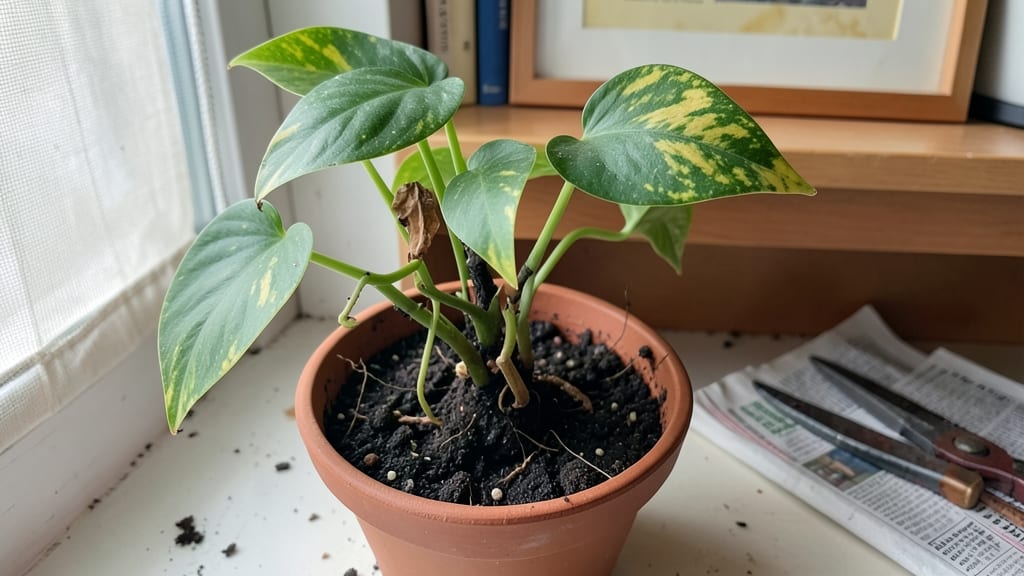
"Fix overwatered plants fast—this is how we’ve revived even the most soggy roots. 🌱 I’ve learned the hard way that mushy soil and yellow leaves aren’t a death sentence, just a sign your plant’s been drowning.
The key is acting fast before rot takes hold, and trust me, these steps work even for plants that looked hopeless.
First, stop watering immediately and let the soil dry out completely—this is where most people fail. Then, gently remove the plant and trim any black, mushy roots with clean scissors. Healthy roots should be firm and white or tan, while bad ones smell foul and crumble.
After trimming, replant in fresh, well-draining soil and place your plant in bright, indirect light.
What you’ll see within a week is new growth pushing through, leaves perking up, and that stubborn plant making a comeback. The secret isn’t just fixing the damage—it’s adjusting your watering habits.
We check soil moisture with a finger before watering, and keep a journal to track what works for each plant.
This method works for everything from ferns to tomatoes, whether you’re dealing with a pot-bound houseplant or a soggy garden bed. The only rule? Don’t wait—revival starts the moment you notice the first signs of overwatering. Let’s get those roots breathing again.
Root Causes Of Plant Drowning
Overwatering isn’t just a gardening mistake—it’s a scientific breakdown of your plant’s delicate balance. When roots drown, they suffocate, starve, and rot, turning your green friend into a sad, wilted mess. Let’s break down the real culprits behind this common (but avoidable) disaster.
Plants need air pockets in soil to breathe. Without them, roots suffocate in stagnant water. Here’s why this happens:
- Compacted or Clay Soil 🏗️ Heavy, dense soils (like clay) trap water like a sponge, preventing oxygen from reaching roots. Even if you water lightly, excess moisture lingers for days.
- Missing Drainage Holes 🚪 Pots without drainage holes act like bathtubs—water pools at the bottom, drowning roots. Even "self-watering" pots can fail if overfilled.
- Overpotting 🏺 A pot too large for your plant holds excess water for weeks. Roots can’t absorb it fast enough, leading to rot.
Pro Tip: 💡 Test your soil’s drainage by scooping a handful—if water beads up instead of soaking in, it’s too dense. Mix in perlite or sand to improve airflow.
Even well-draining soil can’t handle too much, too often. Here’s how human error turns soil into a swamp:
- Watering on a Schedule ⏰ Plants don’t need water every 2–3 days—they need it when the top 1–2 inches of soil are dry. Overwatering based on time (not soil moisture) is a fast track to root rot.
- Ignoring Seasonal Needs ❄️☀️ In winter, plants metabolize slower and need far less water. Yet many gardeners keep summer watering routines year-round.
- Misting or Soaking Leaves 🌧️ While humidity helps some plants, water on leaves can clog stomata (tiny pores) and encourage fungal growth, stressing the plant further.
Pro Tip: ✨ Stick your finger 1 inch deep into the soil—if it’s damp, wait. If it’s bone-dry, water deeply until it drains from the bottom.
Your plant’s surroundings can amplify the damage of overwatering. These factors sneakily worsen the problem:
- Low Light Conditions 🌑 Plants in shade photosynthesize less, so they absorb water slower. Extra moisture sits in the soil, promoting rot.
- High Humidity 💦 Humid air slows evaporation, keeping soil wet longer. In tropical climates or greenhouses, this is a double whammy for roots.
- Cold Temperatures ❄️ Cold soil reduces root activity, meaning roots can’t process excess water. Combine this with poor drainage, and you’ve got a recipe for disaster.
Pro Tip: 🌡️ Move struggling plants to brighter, cooler spots (but avoid direct sunburn). A small fan on low can improve airflow around roots.
Overwatered soil isn’t just a problem—it’s an invitation for unwelcome guests:
- Fungal Infections 🍄 Fungi like Phytophthora and Pythium thrive in soggy soil, attacking roots and cutting off water/nutrient flow.
- Root-Rotting Bacteria 🦠 Erwinia and Pseudomonas bacteria multiply in waterlogged conditions, turning healthy roots into mushy sludge.
- Slugs & Snails 🐌 These pests love damp soil and will feast on weakened, waterlogged plants, accelerating decline.
Pro Tip: 🔥 Add diatomaceous earth or copper barriers to pots to deter pests. For fungal issues, reduce watering immediately and repot in fresh, sterile soil.
Some plants are more sensitive to overwatering than others. Here’s why:
- Tropical Plants (e.g., Calatheas, Ferns) 🌴 These love humidity but hate soggy feet. Their roots rot faster in poor drainage.
- Succulents & Cacti 🏜️ Evolved for drought, they store water in leaves/stems—overwatering causes bloated, mushy stems (a sign of burst cells).
- Bulbs & Tubers (e.g., Dahlias, Begonias) 🌱 Their underground storage organs rot quickly in wet conditions, killing the plant from the ground up.
Pro Tip: 🎯 Research your plant’s native habitat—if it grows in sandy, well-drained soil (like a desert), mimic those conditions. If it’s a rainforest dweller, prioritize humidity over constant moisture.
Revive Your Plant in 3 Steps
Overwatering can feel like a death sentence for your green friend, but don’t panic—most plants can bounce back with the right care! The key is to act fast, assess the damage, and adjust your routine before root rot sets in.
Below are practical, step-by-step solutions tailored to the most common causes of overwatering, plus tips to keep your plant thriving long-term.
Problem: Continuing to water a soggy plant accelerates root rot and fungal growth. Fix:
- Pause watering for at least 3–7 days (longer for heavy clay pots or tropical plants).
- Check soil moisture before watering again: Stick your finger 1–2 inches deep—if it’s still damp, wait.
- Pro Tip: 💡 If your plant is in a self-watering pot, empty the reservoir and let it dry out completely.
Problem: Compacted, waterlogged soil suffocates roots, preventing oxygen flow. Fix:
- Remove the plant gently from its pot and shake off excess soil.
- Inspect the roots:
- Healthy roots are firm and white.
- Rotten roots are mushy, black/brown, or smell foul. Trim these away with clean scissors.
- Repot in fresh soil:
- Use a well-draining mix (add perlite, sand, or orchid bark if needed).
- Choose a pot with drainage holes (or drill them yourself!).
- Let it dry between waterings: Water only when the top 1–2 inches of soil are bone-dry.
Problem: Overwatered plants often struggle with low light or high humidity, slowing recovery. Fix:
- Move to bright, indirect light (e.g., near a window but not in direct sun).
- Reduce humidity if your plant is tropical (e.g., move away from bathrooms or humidifiers).
- Increase airflow: Place a small fan nearby (on low) to prevent fungal growth.
- Pro Tip: ✨ For tropical plants like ferns or calatheas, mist lightly (if needed) but avoid soggy leaves.
Once your plant recovers, adjust your watering habits to avoid future disasters:
- Test soil moisture with a moisture meter or chopstick (tap it—if it sounds hollow, water is needed).
- Water deeply but less often: Let the soil dry out completely between waterings (most plants prefer this!).
- Use the right pot: Terracotta dries faster than plastic; add gravel or pebbles at the bottom for extra drainage.
- Adjust for seasons: Plants need less water in winter (growth slows down).
- Pro Tip: 🌡️ Finger test > schedule: Water based on soil conditions, not a rigid calendar.
Quick Recap Table:
| Issue | Fix | Prevent Next Time |
|---|---|---|
| Soggy soil | Pause watering, repot | Use moisture meter |
| Root rot | Trim bad roots, fresh soil | Add perlite to soil |
| No airflow | Move to brighter spot, fan | Choose a pot with drainage holes |
| Overly humid environment | Reduce misting, increase airflow | Avoid placing near humidifiers |
Final Encouragement: 🌿 Most overwatered plants can recover—just give them time and the right conditions. With these steps, your leafy friend will be back to its happy, hydrated self in no time!
Frequently asked questions
How do I know if my plant is overwatered instead of underwatered?
Check the leaves and soil: overwatered plants have yellowing leaves, mushy stems, and soil that stays damp for days. Underwatered plants have crispy brown edges and dry, pulling-away soil. Tap the pot—if it sounds hollow, it’s likely underwatered; if it feels heavy, it’s overwatered.
Can I save a plant with completely black, smelly roots?
You may still save it! Trim all black, mushy roots with sterilized scissors, then repot in fresh, well-draining soil. Healthy roots are firm and white. If fewer than 50% of roots are salvageable, recovery will take longer—but don’t give up yet!
What’s the fastest way to dry out soggy soil?
Move the plant to a bright, sunny spot (but avoid direct sunburn) and use a small fan on low to increase airflow. For potted plants, place the pot on a wire rack to allow air circulation underneath. Avoid watering until the top 2 inches of soil feel completely dry.
Will hydrogen peroxide help fix overwatered roots?
Yes! Mix 1 part 3% hydrogen peroxide with 4 parts water and use it to water your plant. It oxygenates the roots and fights fungal/bacterial growth. Apply sparingly—once every 2 weeks is enough to prevent overuse.
Can I use coffee grounds to fix overwatered soil?
Not directly—but they can help long-term! Coffee grounds improve soil drainage when composted first. Mix 1 part composted grounds with 3 parts soil when repotting. Fresh grounds are too acidic and can harm roots.