
Companion Plants
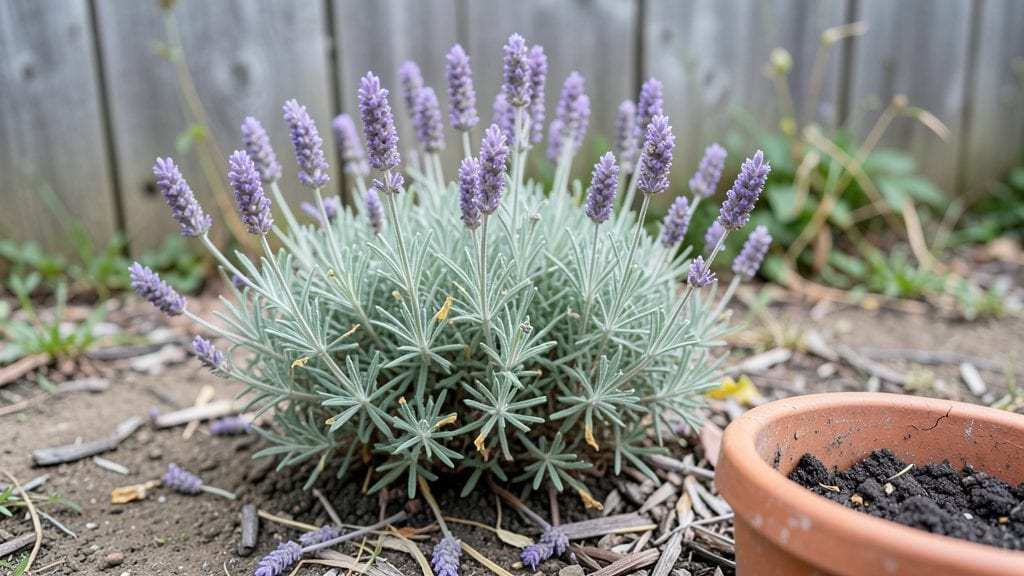
Transforming stale air into a fragrant garden haven starts with the right odor-eliminating plants—lavender, rosemary, and mint don’t just smell amazing; they actively pull unwanted odors from the air, whether it’s the sharp tang of a compost pile or the lingering scent of last night’s grilled steak.
The secret lies in their natural oils, which neutralize smells while filling your space with clean, fresh aromas.
Placing these plants strategically makes all the difference. Near your kitchen, they’ll absorb cooking odors; by the compost bin, they’ll mask the funk; and along seating areas, they’ll turn your garden into a serene retreat.
Most thrive in full sun and well-draining soil, so they’re low-maintenance workhorses for any outdoor space. Even a small pot of rosemary on your patio can work wonders.
You’ll notice the air feel lighter almost immediately—the kind of change that makes you pause and breathe deeper. Lavender’s calming scent alone reduces stress, while mint’s sharpness cuts through mustiness. The best part? These plants are hardy, drought-tolerant once established, and many even repel pests while they’re at it.
Whether you’re dealing with pet odors, damp basement smells, or just stale summer air, these natural purifiers are your best bet.
Start with one or two varieties, and soon your garden will be the envy of the neighborhood—not just for its beauty, but for its power to refresh the air around it.
📚 In This Guide
- What you need
- Instructions
- Tips and common mistakes
- Wrapping up and next steps
What you need
- ● Odor-absorbing plants (3–5 varieties recommended): Lavender (1–2 plants, 12–18" pots)
- ● Rosemary (1–2 plants, 6–12" pots)
- ● Geraniums (especially Pelargonium graveolens) (3–5 plants, 6" pots)
- ● Lemongrass (1–2 plants, 10–12" pots)
- ● Spider plants (Chlorophytum comosum) (2–3 plants, 6–8" pots)
- ● Potting soil: 5–10 gallons (well-draining, organic blend)
- ● Containers or garden beds: For indoor: 6–12" pots with drainage holes (3–5 units)
- ● For outdoor: Raised beds or in-ground plots (10–15 sq. ft. per plant)
- ● Fertilizer: Balanced liquid fertilizer (10-10-10 or organic options like fish emulsion)
- ● Basic gardening tools: Trowel or small shovel
- ○ Gloves (optional but handy!)
- ● Watering can or hose with gentle spray
- ○ Optional (but helpful!): Pruning shears (for trimming overgrowth)
- ● Mulch (to retain moisture and boost soil health)
- ● Humidifier (if indoors, to enhance plant vitality)
- ● Air purifying spray (complementary to plants, like essential oil blends)
- ● Sunlight access: 6+ hours/day (adjust for shade-loving varieties like spider plants).
- ● Climate knowledge: Check hardiness zones for outdoor plants (e.g., lavender thrives in zones 5–9).
- ● Time commitment: 10–15 minutes daily for watering/pruning.
- ● Space: Indoor or outdoor area (even balconies or windowsills work!).
Step-by-Step guide to planting odor-eliminating plants in your garden
Transform stale air into fresh breezes by strategically placing these natural air purifiers around your home.
Select the Right Odor-Fighting Plants for Your Space
Start by choosing plants known for their air-cleaning properties. Lavender thrives in sunny spots and absorbs musty odors, while spider plants handle low light and filter chemicals like formaldehyde. Snake plants are nearly indestructible and release oxygen at night, making them perfect for bedrooms. I always match the plant to the location—sunny windowsills for geraniums, shady corners for peace lilies.
Check your space for problem areas first. Kitchens with cooking smells? Try rosemary or thyme. Bathrooms with mildew? Aloe vera or bamboo palms work wonders. Place a small notebook nearby to jot down which plants you’ve chosen and where they’ll go—this keeps you organized as you move to planting.
Prepare Planting Locations Indoors or Outdoors
For container plants, use pots with drainage holes—stagnant water breeds bacteria and defeats the purpose of odor control. Fill each pot with 2-3 inches of fresh potting mix, leaving about 1 inch of space at the top to prevent overflow during watering. I like to pre-moisten the mix before planting to help roots establish faster.
If planting directly in the ground, amend the soil with 1-2 inches of compost to improve drainage and nutrient uptake. Test the soil’s moisture level by squeezing a handful—it should hold together but not feel soggy. Avoid planting too close to foundations or walkways, as roots can get compacted over time.
Plant with Proper Spacing for Airflow
Dig holes twice as wide as the root ball but only as deep as the container’s base. Gently remove the plant from its pot, loosen the roots if they’re circling, and place it in the hole. Fill the gap with soil, pressing lightly to eliminate air pockets. Space plants 12-18 inches apart to allow airflow—crowded plants trap moisture and can develop mold.
Water immediately after planting to settle the soil and encourage root contact. Use a slow, deep watering method—this means watering until you see moisture 1-2 inches below the surface. Mulch around the base with 1-2 inches of organic mulch to retain moisture and suppress weeds, but keep mulch 2-3 inches away from stems to prevent rot.
Position Plants Strategically for Maximum Odor Control
Place plants near common odor sources. A geranium on the kitchen windowsill captures cooking smells, while a peace lily in the bathroom fights mildew. For outdoor spaces, position lavender or rosemary near patios or grills—these herbs release fragrances that mask lingering odors. Rotate potted plants every 2-3 weeks to ensure even exposure to light and air circulation.
Monitor plants for signs of stress, like yellowing leaves or wilting. Overwatering is the most common mistake—always check the soil’s moisture level before watering again. If leaves start drooping, it’s a signal to adjust your watering schedule. Healthy plants with vibrant foliage are the best odor fighters.
Maintain Plants for Long-Term Freshness
Feed plants with a balanced liquid fertilizer every 4-6 weeks during the growing season to keep them strong and productive. Prune leggy growth regularly to encourage bushier, more effective foliage. For herbs like rosemary or thyme, trim back one-third of the plant in early spring to promote new growth.
Keep an eye out for pests—aphids or spider mites can weaken plants and reduce their odor-fighting abilities. Spray affected areas with neem oil or a soapy water solution for a natural remedy. By staying proactive, your plants will continue purifying the air for years to come.
Tips & tricks for perfect odor eliminating plants
These tried-and-true strategies will help you maximize the air-purifying power of your odor-fighting plants and keep them thriving for years.
Location Strategy: When selecting plants, consider their natural habitats. Lavender and rosemary, which thrive in sunny conditions, are perfect for kitchens or near outdoor grilling areas where cooking odors linger. In contrast, peace lilies and snake plants excel in low-light bathrooms where mildew odors often develop. I always test a plant's location for a week before final placement—this helps you identify the best spots for maximum odor control.
Soil Preparation Tip: The 2-3 inches of fresh potting mix in Step 2 should be a well-draining mix specifically formulated for your chosen plants. For example, herbs like rosemary and thyme prefer sandy, well-draining soil, while peace lilies thrive in richer, moisture-retentive mixes. If you're planting directly in the ground, mix in 1-2 inches of compost to improve drainage and nutrient availability—this makes a noticeable difference in plant health and odor-fighting efficiency.
Planting Depth and Spacing: In Step 3, remember that planting too deep can suffocate roots while planting too shallow leaves them exposed. The hole should be twice as wide as the root ball but only as deep as the container's base. When spacing plants 12-18 inches apart, think about airflow—this spacing prevents moisture buildup that can lead to mold growth, which defeats the purpose of having odor-eliminating plants in the first place.
Watering Wisdom: The slow, deep watering method in Step 3 is crucial. Water until you see moisture 1-2 inches below the surface—this encourages deep root growth. For container plants, I always check the soil moisture by sticking my finger about an inch deep before watering again. Overwatering is the fastest way to kill your odor-fighting plants, so it's better to underwater slightly than to drown them.
Pro Tips for Odor Eliminating Plants
- These tried-and-true strategies will help you maximize the air-purifying power of your odor-fighting plants and keep them thriving for years.
- Location Strategy: When selecting plants, consider their natural habitats.
- Soil Preparation Tip: The 2-3 inches of fresh potting mix in Step 2 should be a well-draining mix specifically formulated for your chosen plants.
Frequently asked questions
Got questions about odor-eliminating plants?
Here are some of the most common ones—and their answers—to help you get started with your fresh, clean-smelling garden!
Which plants are the best for eliminating strong odors like cooking smells or pet stink?
Top performers include rosemary (great for kitchen odors), lavender (neutralizes pet and smoke smells), and geraniums (especially pelargonium graveolens, which tackles musty or damp odors). For heavy-duty stink, citrus trees (like lemon or lime) or basil work wonders in outdoor spaces.
How long does it take for these plants to start making a noticeable difference in odors?
Some plants, like lavender or rosemary, can show results within a few weeks once established, especially if placed near odor sources. Others, like citrus trees or bamboo, may take months to fully mature and maximize their scent-absorbing powers. Patience pays off—consistency is key!
Can I use odor-eliminating plants indoors, or are they only for outdoor gardens?
Many odor-busting plants thrive indoors, such as snake plants, spider plants, or peace lilies (which also clean the air). For strong smells, place them near the source—like a litter box or trash can—and ensure they get enough light. Just avoid toxic varieties (like sago palms) if you have pets or kids.
What if my plants aren’t working as well as I hoped? Troubleshooting tips?
Check these fixes:
- Placement: Move plants closer to the odor source (e.g., near a compost bin or garage).
- Health: Wilting or yellowing leaves reduce effectiveness—water and fertilize properly.
- Companions: Pair plants (e.g., basil + mint) for a stronger scent punch.
- Freshness: Trim dead foliage to encourage new growth and better odor absorption.
Are there any plants I should avoid mixing with odor eliminators?
Some plants compete for nutrients or release conflicting scents. Avoid pairing mint with citrus trees (mint can stunt growth) or lavender with rosemary (they may hybridize unpredictably). Stick to complementary pairs like basil + tomatoes or geraniums + roses for harmony.
Wrapping up and next steps
Transforming your space into a fragrant oasis is easier than you think! 🌿 Whether you’re battling kitchen odors, pet smells, or musty corners, nature’s best odor-eliminating plants—like lavender, rosemary, or lemongrass—are your secret weapon. These green allies not only freshen the air but also boost your mood and well-being.
Ready to take the next step? Start small—pick one or two plants that suit your space and preferences, then expand your garden as you go. With a little care, you’ll enjoy a home that smells as good as it looks! 🌸