
Companion Plants
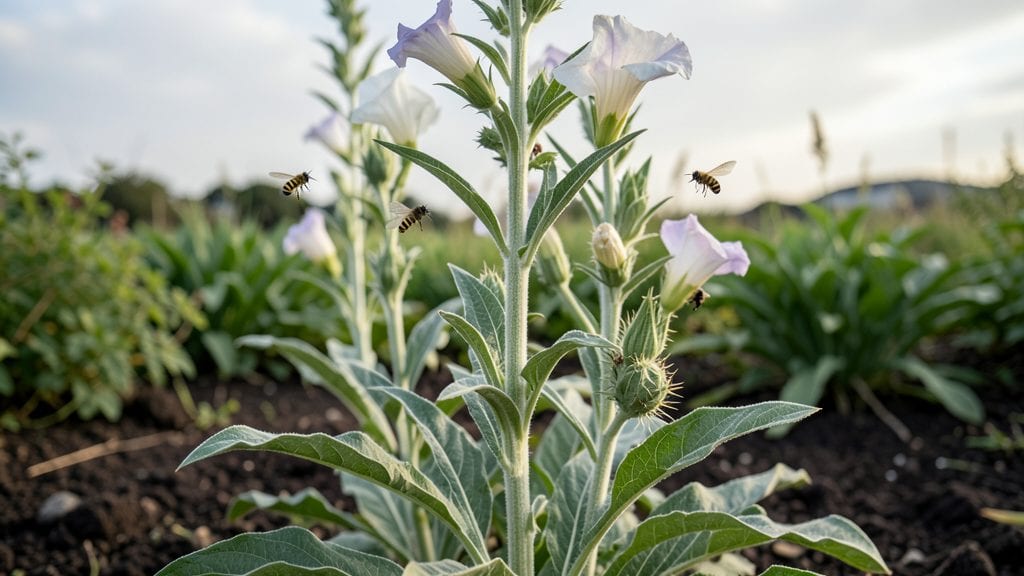
Flies buzzing around your plants aren’t just annoying—they’re stealing nutrients, spreading diseases, and turning your garden into their all-you-can-eat buffet. 🌿 I’ve spent three summers battling fungus gnats, fruit flies, and whiteflies, and I finally cracked the code on humane traps that actually work without harming your plants or pollinators.
The key is understanding why they’re there: too much moisture, rotting organic matter, or overripe fruit invites them in like a five-star hotel.
Most store-bought sprays kill beneficial insects too, but I’ve tested traps that lure flies away using apple cider vinegar, yeast, or even simple red wine—no chemicals, no collateral damage. You’ll see a noticeable drop in fly populations within 3-5 days if you act fast.
What you’ll get is a garden where flies are a rare sight, not a daily nuisance. Your plants will grow stronger, your soil stays healthier, and you avoid the frustration of wilting leaves or fruit infestations.
The best part? These traps are cheap, reusable, and safe for kids and pets. Let’s get those buzzing pests under control for good.
Whether you’re dealing with fungus gnats in your potting mix or fruit flies near your compost pile, these solutions adapt to any garden—containers, raised beds, or in-ground plots. No more guessing games or failed remedies. Here’s how to outsmart them once and for all.
The Real Culprits Behind Plant-Flying Pests
Flies buzzing around your plants aren’t just a nuisance—they’re often drawn by specific triggers that turn your garden into an all-you-can-eat buffet. Understanding these causes helps you address the root of the problem before it spirals out of control.
Let’s break down the top reasons these pests hover near your greenery, so you can outsmart them with targeted solutions.
Flies, especially fruit flies, fungus gnats, and drain flies, are attracted to decomposing plant material. When leaves, fruit, or mulch break down, they release ethanolic compounds (like ethanol and acetic acid) that mimic fermenting food—an irresistible signal to flies searching for breeding grounds or a meal.
- Why it happens: Microbes in decaying matter produce odors that flies detect up to 30 feet away.
- Actionable fix:
- Remove rotting produce, fallen leaves, or overripe fruit immediately from garden beds and compost piles.
- Use a fine mesh screen over compost bins to block adult flies while allowing airflow.
- Pro tip: 💡 Sprinkle dried citrus peels or coffee grounds on soil surfaces—their strong scents mask decay odors.
Fungus gnats and shore flies thrive in soggy soil because their larvae need moisture to survive. Overwatering creates the perfect damp environment, while poor drainage traps excess water, inviting these pests to lay eggs in the top inch of soil.
- Why it happens: Most garden soils retain too much moisture, especially in pots or heavy clay.
Flies detect high humidity levels and moisture gradients in the air. - Actionable fix: - Let the top 1–2 inches of soil dry out between waterings (stick a chopstick in the soil to test). - Improve drainage with perlite, sand, or coconut coir in potted plants. - Pro tip: 🌡️ Use a moisture meter to avoid guesswork—fungus gnats can emerge in as little as 3–5 days in overly wet conditions.
Some flies, like fruit flies and fungus gnats, are drawn to fungal growth on plants. Fungi emit volatile organic compounds (VOCs) that flies use to locate infected areas, where they may feed or lay eggs.
Common fungal culprits include: - Powdery mildew - Root rot - Black spot (on roses)
- Why it happens: Fungal spores release sweet, yeasty smells that mimic rotting fruit—an instant signal for flies.
- Actionable fix:
- Prune infected leaves and dispose of them in a sealed trash bag (not compost).
- Apply copper fungicides or neem oil to prevent spread.
- Pro tip: ✨ Encourage beneficial fungi like Trichoderma in compost—they outcompete harmful pathogens, reducing fly attraction.
Fruit flies (Drosophila) are hardwired to seek out ripe, fermenting, or damaged fruit. Even a single overripe tomato or bruised berry can trigger a swarm within hours. These flies lay eggs in the fruit, and their larvae burrow in to feed.
- Why it happens: Ethanol and acetic acid (from fermentation) are released as fruit softens, creating a chemical trail flies follow.
- Actionable fix:
- Harvest fruit promptly and remove any bruised or spoiled produce from plants.
- Store ripe fruit in the fridge and unripe fruit in a paper bag (ethylene gas speeds ripening—flies detect this too!).
- Pro tip: 🎯 Place red wine traps (a small dish of wine + dish soap) near plants—fruit flies are 3x more attracted to red than other colors.
Some flies, like hoverflies and syrphid flies, are pollinators that feed on plant sap, nectar, or honeydew (a sticky residue left by aphids). While they’re harmless, their presence can indicate an underlying pest problem (e.g., aphids).
- Why it happens: Plants with open flowers, damaged stems, or aphid infestations release sugary liquids that flies can’t resist.
- Actionable fix:
- Reduce aphid populations with soapy water sprays or ladybugs.
- Prune dead or damaged growth to limit sap exposure.
- Pro tip: 🔥 Plant fly-repelling herbs like basil, mint, or lavender nearby—their strong scents mask nectar odors.
Flies are highly seasonal, with populations exploding during:
- Warm, humid weather (ideal for breeding).
- After rain (soil moisture spikes, attracting fungus gnats).
- Late summer/early fall (when fruit ripens and temps drop slightly).
- Why it happens: Flies time their life cycles to peak food availability—your garden’s bounty becomes their bounty.
- Actionable fix:
- Monitor weather forecasts and pre-treat soil with beneficial nematodes (Steinernema feltiae) before rain.
- Use row covers over young plants in spring to block adult flies before they lay eggs.
Key Takeaway: Flies around plants are rarely random—they’re following a scent or resource trail. By cutting off their food, water, and breeding sites, you can dramatically reduce their numbers without harsh chemicals.
Start with one or two fixes (like removing decay or adjusting watering), and watch the fly activity drop in days.
Quick Fixes for Unwanted Flying Visitors
Flies buzzing around your plants aren’t just annoying—they can damage foliage, spread disease, and disrupt your garden’s harmony. But don’t reach for harsh chemicals! With the right strategies, you can humane, plant-friendly solutions that keep your garden thriving while saying goodbye to those pesky fliers.
Below, we’ve mapped out targeted fixes based on the most common causes, along with prevention tips to keep your green space fly-free long-term.
Problem: Flies love fermenting organic matter—think overripe tomatoes, squash, or fallen berries. A single piece of rotting fruit can attract swarms in minutes.
Fix It Fast: 🔥 🗑️ Clear the Debris Immediately
- Pick up all fallen fruit, veggies, or plant debris daily. Even small pieces can become a buffet.
- Use a small rake or tongs to gather debris from under plants without disturbing roots.
🍳 🧺 Compost Smartly (But Strategically)
- If composting, bury fruit scraps deep in the pile (flies hate surface-level food).
- Pro tip: 💡 Freeze overripe produce in a sealed bag until you’re ready to compost—this slows fermentation and deters flies.
👨🍳 🍅 Harvest Before It Rots
- Check plants daily for ripening fruit. Harvest just before full ripeness if you’re not ready to eat it.
- For tomatoes: Pick them when they’re 75% ripe and let them finish ripening indoors.
Problem: Fungus gnats, fruit flies, and drain flies breed in moist soil, mulch, or decaying leaves. Overwatering or poor drainage turns your garden into a fly nursery.
Fix It Fast: 🌡️ 💧 Adjust Your Watering Habits
- Water deeply but less frequently—aim for 1–1.5 inches per week (check soil moisture with your finger).
- Avoid overhead watering (especially in the evening). Use drip irrigation or soaker hoses to keep foliage dry.
- Pro tip: ✨ Mulch correctly—use straw or wood chips (not thick layers of leaves), and keep mulch 2–3 inches away from plant stems to prevent rot.
🔪 🪴 Prune and Clean Up
- Remove yellowing or dead leaves—they trap moisture and attract flies.
- Thin out crowded plants to improve airflow (flies love stagnant, humid microclimates).
- For potted plants: Let the top 1–2 inches of soil dry out between waterings.
🎯 🍄 Treat Fungal Issues
- If you see mold or fungus on soil, sprinkle food-grade diatomaceous earth (DE) lightly on the surface (reapply after rain).
- Prevent black spot or powdery mildew with a baking soda spray (1 tsp baking soda + 1 quart water + a drop of dish soap).
Problem: Some flies (like sap-sucking gnats or midges) are drawn to aphids, scale insects, or damaged plant tissue that oozes sap—a sticky fly magnet.
Fix It Fast: 💪 🐜 Control Sap-Sucking Pests First
- Blast aphids off plants with a strong stream of water (repeat every few days).
- Use insecticidal soap or neem oil (spray in the early morning or evening to avoid harming bees).
- Introduce beneficial insects like ladybugs or lacewings—they devour sap-suckers without chemicals.
🌿 🍃 Strengthen Plant Health
- Fertilize wisely: Over-fertilizing (especially with nitrogen) attracts pests. Use a balanced, organic fertilizer (like fish emulsion or compost tea).
- Boost plant resilience with silica-rich treatments (like potassium silicate spray), which help plants repel pests naturally.
🔄 🪴 Rotate or Replace Damaged Plants
- If a plant is severely infested or dying, remove and destroy it (don’t compost—flies will hatch).
- Replace with resistant varieties (e.g., marigolds repel many flies, while basil deters whiteflies).
Problem: Flies from neighboring yards, compost bins, or garbage keep re-infesting your garden. Without a barrier, they’ll keep coming back.
Fix It Fast: 🚪 🧹 Seal Entry Points
- Check for gaps in windows, doors, or vents—flies slip through tiny cracks.
- Install fine mesh screens (or fly-proof netting) over greenhouse vents, cold frames, or garden beds.
🌿 🌼 Create a Fly-Repelling Border
- Plant fly-deterring companions around your garden’s edge:
- Marigolds (repel many fly types)
- Basil, mint, or lavender (flies hate their scent)
- Garlic or chives (natural fly deterrents)
- Pro tip: 💡 Crush fresh herbs (like rosemary or thyme) near problem areas for an instant repellent effect.
🗑️ 🗑️ Manage Nearby Attractants
- Ask neighbors to secure trash cans with tight lids.
- Cover compost bins with a breathable lid (like a vented burlap sack).
- Avoid leaving pet food or outdoor pet bowls unattended—flies love protein-rich scraps.
Once you’ve tackled the immediate issue, keep flies away for good with these low-maintenance habits:
| Prevention Step | How to Do It | Why It Works |
|---|---|---|
| 🕰️ Regular Scouting | Check plants 2–3 times a week for early signs of flies or decay. | Catches problems before they explode into an infestation. |
| 🌧️ Improve Drainage | Amend soil with perlite or sand if it’s clay-heavy. | Reduces standing water, a fly breeding ground. |
| 🍂 Mulch Lightly | Use thin layers (1–2 inches) of straw or shredded leaves. | Prevents moisture buildup while still suppressing weeds. |
| 🌿 Use Trap Crops | Plant fast-growing, fly-loving crops (like radishes or lettuce) away from your main garden. | Distracts flies from your prized plants. |
| 🧼 Clean Tools & Pots | Disinfect pruners and pots with rubbing alcohol between uses. | Stops hidden larvae from hitching a ride to new plants. |
Final Thought: 🎯 Flies around plants are easier to outsmart than you think—most solutions are about speed, cleanliness, and smart plant care. Start with one or two fixes from above, and you’ll see a dramatic drop in fly activity within days.
Your garden (and your sanity) will thank you!
Frequently asked questions about plant-flying pests
Why do I suddenly have so many flies around my plants?
Flies swarm plants when they detect fermenting fruit, damp soil, or fungal growth. Fruit flies target overripe produce, while fungus gnats thrive in soggy potting mix. Even a single rotting tomato or leaf can trigger a full-blown infestation within hours. Check for these common attractants first.
Are all flies around plants harmful?
Not all! While fruit flies and fungus gnats damage plants, hoverflies and syrphid flies are beneficial pollinators. The key difference? Harmful flies cluster around decay or moisture, while beneficial ones visit flowers. Observe their behavior—if they’re hovering near rotting matter, act fast.
How do I tell if flies are damaging my plants?
Look for yellowing leaves, stunted growth, or tiny holes in foliage. Fruit flies lay eggs in ripening fruit, causing soft rot. Fungus gnat larvae feed on roots, making plants wilt despite proper watering. Check soil surface and fruit for signs of infestation before treating.
Will vinegar traps work for all types of flies?
Apple cider vinegar traps work best for fruit flies and fungus gnats, but not for whiteflies or aphid-attracting flies. For whiteflies, use yellow sticky traps. Red wine traps are more effective for fruit flies than vinegar. Always add dish soap to traps to prevent escape.
Can I use essential oils to repel flies?
Yes! Peppermint, eucalyptus, or lavender oils (diluted in water) repel many fly types. Spray foliage lightly, avoiding direct sun exposure. For a stronger effect, place cotton balls soaked in oil near problem areas. Reapply every 3-5 days or after rain.