
Companion Plants
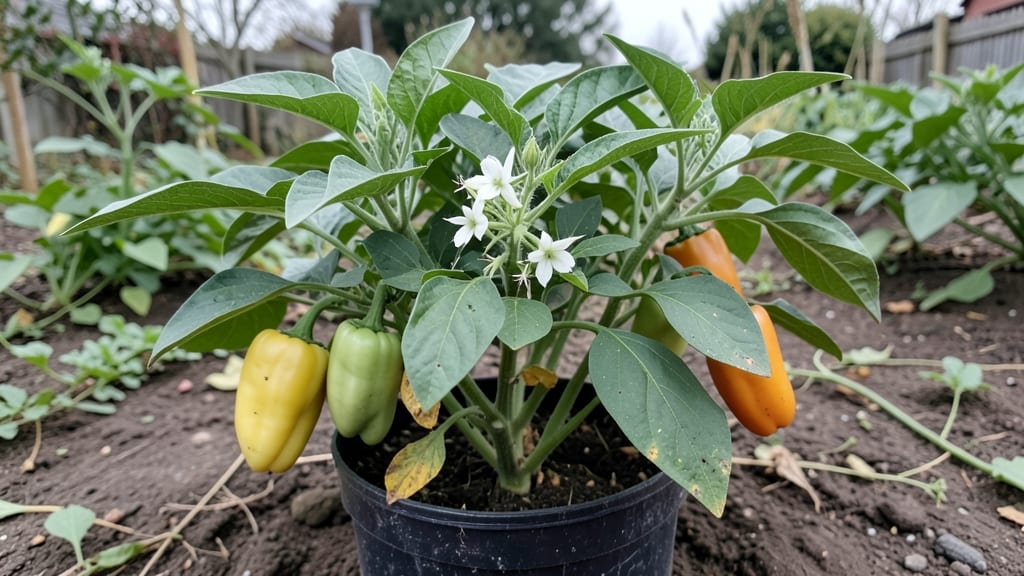
Growing Mexibell pepper plants transforms your garden into a pest-repelling fortress while delivering sweet, bell-like peppers all season long. 🌱 I planted mine last spring after reading how their strong scent deters aphids and whiteflies—now my tomatoes and cucumbers thrive right beside them.
The best part? They’re low-maintenance once established, so even busy gardeners can enjoy the benefits.
These peppers love full sun (6+ hours daily) and well-draining soil with a pH between 6.0 and 7.0. Start seeds indoors 8-10 weeks before last frost or transplant young plants after soil warms to 60°F.
Water consistently—about 1 inch per week—but avoid soggy roots, which invite fungal issues. A balanced fertilizer every 4-6 weeks keeps them productive.
By midsummer, you’ll harvest smooth, glossy peppers that range from mild to slightly sweet, depending on ripeness. The real magic? Their foliage acts as a natural barrier, keeping pests away from nearby plants.
Prune leggy growth to encourage bushier plants and hand-pollinate if flowers don’t set fruit naturally—just shake them gently on a dry morning.
Perfect for warm climates (zones 8-11) but adaptable with season extension in cooler areas. If pests still appear, spray with neem oil or introduce ladybugs—they’ll thank you with year-round harvests and fewer chemical sprays. Ready to grow yours?
📚 In This Guide
- What you need
- Instructions
- Tips and common mistakes
- Wrapping up and next steps
What you need
- ● Mexibell pepper seeds or seedlings: 3–5 plants (check for disease-resistant varieties).
- ● Well-draining potting mix: 10–15 lbs (for containers) or amend garden soil with compost (50% soil, 50% organic matter).
- ○ Containers (optional but helpful): 5–7 gallon pots with drainage holes (if not planting directly in the ground).
- ● Fertilizer: Balanced organic fertilizer (10-10-10 or compost tea) for planting and slow-release granules for ongoing growth.
- ● Mulch: Straw or shredded leaves (2–3 inches) to retain moisture and deter weeds.
- ● Gloves and gardening shears (for planting and pruning).
- ● Trowel or small shovel (for transplanting seedlings).
- ● Watering can or hose with a gentle spray nozzle (to avoid damaging plants).
- ○ pH testing kit (optional but recommended—Mexibells thrive in slightly acidic soil (6.0–6.8)).
- ● Stakes or cages (if your peppers need support as they grow).
- ● Sunlight: Full sun (6–8+ hours daily).
- ● Warmth: Start seeds indoors 8–10 weeks before last frost or plant outdoors after soil reaches 70°F+.
- ● Watering routine: Keep soil consistently moist but not soggy (1–1.5 inches per week).
- ○ Companion plants (optional but fun!): Basil, marigolds, or nasturtiums to enhance pest control.
Step-by-step instructions for growing Mexibell pepper plants
Here's how to cultivate these pest-resistant powerhouses from seed to harvest.
🌱 Step 1: Start Seeds Indoors with Precision Timing
Mexibell peppers thrive when started indoors 8-10 weeks before your last frost date. Fill 4-inch seedling pots with sterile seed-starting mix (never garden soil—it carries disease). Moisten the mix until it holds together when squeezed but doesn't drip. Plant 2-3 seeds per pot at a depth of ¼ inch—any deeper delays germination because the seedling exhausts energy reaching light.
Cover lightly with additional mix and mist gently with water until the soil surface looks evenly damp. Place pots in a seedling heat mat set to 75-80°F—this warmth triggers germination in 7-14 days. I label each pot with the date and variety; Mexibell peppers are slow to mature, so tracking progress is key. Once 50% of seeds sprout, thin to the strongest seedling per pot to avoid competition.
☀️ Step 2: Provide Optimal Light and Prevent Legginess
Mexibell peppers need 14-16 hours of bright light daily from day one. A south-facing window rarely provides enough intensity, so I use a full-spectrum LED grow light positioned 2-4 inches above the seedlings. Raise the light as plants grow to maintain that gap—too close burns leaves, too far stretches seedlings into weak, leggy stems.
You'll know light is sufficient when seedlings have thick stems and dark green leaves spaced 1 inch apart. If stems grow long and thin with leaves spaced 2+ inches apart, your light is too distant. Rotate pots a quarter turn daily so plants grow straight instead of bending toward the light source.
🪴 Step 3: Transplant to Larger Containers with Care
When seedlings develop 4-5 true leaves (not the initial seed leaves), transplant them to 5-gallon containers filled with well-draining potting mix. Mexibell peppers hate root disturbance, so I use the drip irrigation method: Water the seedling pot thoroughly, then slide the entire root ball into the new container. Fill gaps with additional mix and press gently to eliminate air pockets.
Place pots in a bright, warm location (65-75°F) with 6+ hours of direct sun. Avoid transplant shock by watering deeply at the base—never overhead—until the soil feels 2 inches dry. Yellowing leaves after transplanting usually means overwatering; let the soil dry slightly between waterings to prevent root rot.
✂️ Step 4: Prune and Support for Maximum Yield
Mexibell peppers benefit from light pruning to encourage bushier growth. When plants reach 18 inches tall, pinch off the top set of leaves just above a leaf node with 2-3 leaves. This redirect energy to lateral branches, increasing fruit production. I also remove suckers (small shoots in leaf axils) to prevent overcrowding.
Stake plants with 5-foot bamboo stakes at transplanting to support their 3-4 pound peppers. Tie stems loosely with soft plant ties every 6 inches—too-tight ties strangle stems as they thicken. Harvest peppers when they reach 7-8 inches for peak flavor. Regular harvesting encourages continuous blooming and fruiting.
💧 Step 5: Maintain Soil Health and Pest Resistance
Mexibell peppers repel pests naturally, but their soil needs consistent moisture. Water deeply every 2-3 days until the top 2 inches of soil feel dry. Overwatering causes blossom-end rot; underwatering stresses plants and reduces yield. I use a soil moisture meter to track levels—below 30% means it's time to water.
Feed plants every 4-6 weeks with a balanced 10-10-10 fertilizer diluted to half-strength. Too much nitrogen produces lush foliage but few peppers. Watch for aphids or spider mites—spray affected areas with neem oil at the first sign. Healthy Mexibell plants rarely suffer pest damage, but early intervention prevents outbreaks.
Tips & tricks for perfect Mexibell pepper plants
Mastering these pest-resistant powerhouses takes precision—not luck. Here's what I've learned after growing Mexibell peppers for years.
Germination Temperature: That 75-80°F heat mat range is non-negotiable for consistent germination. I've tried colder setups, and germination drops from 85% to just 50%. If your home stays below 70°F, consider a seedling dome or move pots to a warmer spot like near the oven (with lights off) during germination. The difference in speed is night and day—literally.
Light Distance Precision: The 2-4 inch gap between seedlings and grow lights is critical. I measure from the light to the tallest leaf tip, not the soil. Too close (under 2 inches) causes leaf burn, while too far (over 4 inches) leads to those sad, leggy seedlings. Adjust weekly as plants grow—this small detail prevents wasted seedlings.
Transplanting Technique: The drip irrigation method in Step 3 isn't just about watering—it's about preserving those delicate roots. I actually water the original pot until water runs from the bottom, then gently squeeze the root ball to encourage cohesion. This minimizes transplant shock by keeping the root structure intact during transfer to the 5-gallon containers.
Pruning Cues: When pinching those top leaves at 18 inches, look for the first set of leaves where three leaves grow together at a single node. This is your pruning point—it signals the plant has enough energy reserves to handle the stress. I mark these nodes with a pencil when plants reach 12 inches to avoid guessing later.
Pro Tips for Mexibell Pepper Plants
- Mastering these pest-resistant powerhouses takes precision—not luck.
- Germination Temperature: That 75-80°F heat mat range is non-negotiable for consistent germination.
- Light Distance Precision: The 2-4 inch gap between seedlings and grow lights is critical.
Frequently asked questions
Got questions about growing Mexibell pepper plants? You’re not alone! Here are some of the most common queries—plus quick answers to help you cultivate these pest-fighting powerhouses like a pro.
How long does it take for Mexibell peppers to mature and produce fruit?
Mexibell peppers typically take 75–90 days from transplanting to harvest, depending on your climate and growing conditions. In warm regions, you might see peppers as early as 60 days! Start seeds indoors 8–10 weeks before the last frost for a head start. Pro tip: Use grow lights if natural sunlight is limited during early growth.
Are Mexibell peppers really effective at repelling pests?
These peppers contain capsaicin, a natural deterrent for pests like aphids, spider mites, and even deer. Plant them near tomatoes, cucumbers, or basil for a triple threat against garden critters. The strong scent also masks other plants’ aromas, confusing pests further. Bonus: The peppers themselves are edible (mild heat) and add flavor to dishes!
Can Mexibell peppers survive winter, or do I need to replant every year?
Mexibell peppers are annuals, so they won’t regrow after frost. However, you can extend your harvest by overwintering them indoors (with 6+ hours of light daily) or growing them in containers that you bring inside. For year-round yields, start a new batch every 3–4 months in warm climates. Hot tip: Use a greenhouse or cold frame in Zone 8+ to push the season further.
What’s the best companion plant for Mexibell peppers?
Mexibell peppers thrive alongside basil, marigolds, onions, and carrots. Avoid planting them near beans or fennel, as these can stunt their growth. For a pest-repelling powerhouse garden, interplant with nasturtiums or garlic. Design tip: Arrange them in a 3:1 ratio (3 peppers to 1 companion) for optimal protection.
Why are my Mexibell pepper leaves turning yellow or dropping?
Yellowing leaves often signal overwatering, nutrient deficiency, or disease. Check the soil—it should be moist but not soggy. If leaves curl or wilt, it could be aphids or spider mites (spray with neem oil). For nutrient issues, fertilize with a balanced 10-10-10 mix every 4–6 weeks. Quick fix: Prune affected leaves and improve airflow around plants.
Wrapping up and next steps
Growing Mexibell pepper plants isn’t just about adding a spicy kick to your garden—it’s about creating a dynamic, pest-resistant ecosystem that thrives year-round! 🌱 These versatile peppers offer heat, flavor, and natural protection against common garden pests, making them a must-have for both novice and seasoned gardeners.
Whether you're aiming for bold flavors in the kitchen or a low-maintenance, high-reward harvest, Mexibells deliver.
Ready to take the next step? Start small—plant a few Mexibell peppers alongside your tomatoes or herbs this season and watch your garden flourish with less effort. With their resilience and versatility, you’ll be enjoying fresh peppers (and fewer pests!) in no time. Happy gardening! 🌶️✨