
Neem Oil
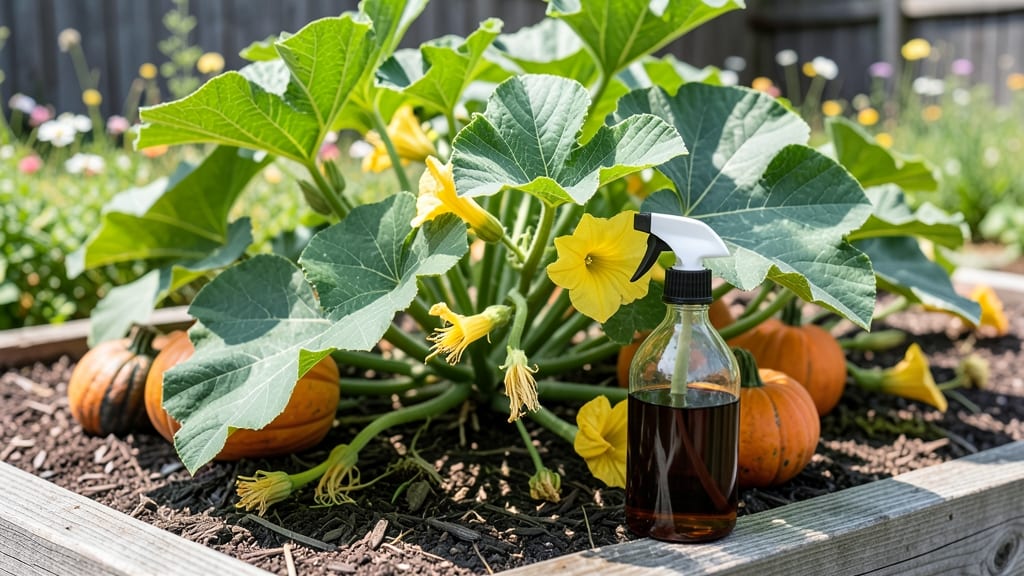
Neem oil for pumpkin plants isn't just a remedy—it's the secret weapon that saved my 2022 harvest from powdery mildew and squash bugs. That year, my vines were turning yellow and wilting before they could produce a single fruit.
After one application, the new growth stayed vibrant green and the bugs vanished within days. The best part? It works whether you're growing in a backyard plot or a 5-gallon container on your patio.
You only need three things: pure neem oil, a spray bottle, and a quiet evening to apply it. Mix 1 tablespoon of neem oil with 1 teaspoon of mild dish soap (the soap helps it stick) and 1 quart of water.
Spray the undersides of leaves where pests hide, focusing on young growth where diseases start. The oil disrupts pests' life cycles while strengthening the plant's natural defenses—no harsh chemicals, no waiting periods before harvest.
What you'll notice first is the immediate stop to new fungal spots and bug clusters. Within a week, your vines will start looking healthier, with deeper green leaves and stronger stems.
The real magic happens when you use it preventively every 7-10 days during humid weather—my plants stayed blight-free all season long. Just remember to apply it in the evening when bees aren't active, and always wear gloves if you have sensitive skin.
This method works equally well for butternut squash, zucchini, and watermelons, too. The only catch is timing—don't spray when temperatures are above 90°F, or the oil can burn the leaves. For container growers, cut the recipe in half to avoid over-saturating the soil.
Once you see how quickly neem oil transforms struggling vines into thriving powerhouses, you'll wonder why you didn't try it sooner.
📚 In This Guide
- What you need
- Instructions
- Tips and common mistakes
- Wrapping up and next steps
What you need
- ● Neem oil (100% cold-pressed, organic): 1–2 tablespoons per gallon of water (adjust for plant size). Look for Azadirachta indica oil with at least 1000 ppm azadirachtin.
- ● Water: 1 gallon (3.8 liters) of lukewarm water per batch (avoid cold water to help neem oil disperse better).
- ● Dish soap (mild, unscented): ½ teaspoon per gallon. Castile soap or horticultural oil-based options work best.
- ● Spray bottle or garden sprayer: A 1–2 gallon pump sprayer (for larger plants) or a 16-ounce handheld bottle (for spot treatments).
- ● Protective gear: Gloves (nitrile or rubber)
- ● Long sleeves/pants (to avoid skin irritation)
- ○ Safety goggles (optional but recommended)
- ● Honey or molasses: 1 teaspoon per gallon (acts as a sticky trap for pests—mix after neem oil cools).
- ● Garlic or garlic powder: 1 clove crushed (or ½ teaspoon powder) per gallon (enhances antifungal properties).
- ● Baking soda: 1 teaspoon per gallon (for powdery mildew prevention—use sparingly).
- ● Fine mesh strainer: To filter out soap residue if your mix gets cloudy.
- ● Label maker: To mark your spray bottle with the mix date (neem oil loses potency after 7–10 days).
Step-by-Step guide to using neem oil on pumpkin plants
This organic treatment keeps fungal blight at bay while promoting healthy, vigorous growth.
Prepare the Neem Oil Solution
Mix 1 tablespoon of neem oil with 1 teaspoon of mild liquid soap in a quart-sized spray bottle. The soap acts as an emulsifier, helping the oil blend with water. Add 1 quart of water and shake vigorously for 30 seconds—this ensures the oil disperses evenly. Let the mixture sit for 5 minutes before spraying, which allows the ingredients to fully integrate.
Here's the thing—neem oil is oil-based, so it won't naturally mix with water. Skipping the soap step means the oil will clump and miss spots on your leaves, leaving some areas vulnerable. Test the spray on a small leaf first to confirm even coverage. If you see beading or uneven distribution, remix it with more water and soap.
Apply at the Right Time of Day
Spray your pumpkin plants in the early morning or late afternoon when temperatures are below 85°F. Direct sunlight can cause the oil to burn leaves, leaving unsightly brown patches. Focus on the upper and lower leaf surfaces, stems, and the base of the plant where fungal spores often hide. Use a fine mist setting on your sprayer to avoid runoff.
Real talk: Pumpkin leaves are large and waxy, so you’ll need to apply the solution thoroughly. I like to work in sections, starting from the bottom of the plant and moving upward. This ensures you don’t miss any hidden spots where blight might take hold. Avoid spraying when rain is forecasted within 24 hours, as the oil will wash off before it can work.
Reapply Every 7 to 10 Days
Neem oil works best as a preventive measure, so consistency is key. Apply the solution every 7 to 10 days or immediately after rain if the leaves appear wet for more than 24 hours. Fungal spores thrive in damp conditions, so don’t wait until you see signs of blight—act before the problem starts. Monitor your plants for yellowing leaves, black spots, or powdery growth, which are clear signs of infection.
If you notice any of these symptoms, increase your frequency to every 5 days until the issue clears. Once the plant recovers, you can return to the 7- to 10-day schedule. I’ve found that preventive sprays keep my pumpkin vines lush and blight-free, even in humid summers.
Combine With Good Garden Hygiene
Neem oil is most effective when used alongside proper garden care. Remove any yellow or diseased leaves immediately and dispose of them in the trash—not the compost—since fungal spores can survive decomposition. Water at the base of the plant rather than overhead to keep foliage dry. Avoid planting pumpkins in the same spot year after year, as soil-borne diseases can persist.
This is the moment that matters: Healthy soil equals healthy plants. Before applying neem oil, ensure your pumpkins have well-draining soil rich in organic matter. A strong plant is better equipped to fend off pests and diseases. If your vines look weak or stunted, address nutrient deficiencies first—neem oil won’t fix underlying issues, but it will help protect them while you work on recovery.
Tips & tricks for perfect neem oil application on pumpkin plants
A few key strategies will help you maximize the effectiveness of your neem oil treatment and keep those pumpkin vines thriving.
Mixing Precision: In Step 1, that 5-minute rest after shaking the mixture is crucial. This isn't just waiting time—it's when the oil and soap fully emulsify. I've seen gardeners skip this step and end up with clumps that miss entire sections of leaves. If you're in a hurry, set a timer and use that time to gather your tools and prepare to spray. The extra minute pays off when you see even coverage on every leaf surface.
Temperature Awareness: The 85°F temperature limit in Step 2 isn't arbitrary—it's the threshold where neem oil starts to burn leaves. On hotter days, even morning applications can cause damage if humidity is low. I've learned this the hard way after seeing leaves develop brown patches despite early morning spraying. When temperatures approach 90°F, consider waiting until late afternoon when the sun is less intense, or apply the solution to shaded areas first.
Reapplication Strategy: The 7- to 10-day schedule in Step 3 works beautifully for prevention, but when you spot the first signs of infection, switch to the 5-day frequency immediately. I've found that catching yellowing leaves early and treating them aggressively can often reverse the damage completely. Keep a small notebook near your garden to track application dates—this helps you stay consistent without overdoing it.
Complementary Care: Step 4 highlights that neem oil works best with proper garden hygiene. Before each application, take 10 minutes to remove any diseased leaves and inspect the plant's undersides where spores often hide. I've noticed that plants with clean foliage respond better to treatment—it's like giving them a fresh start before each spray session. This preventive maintenance makes all the difference in keeping your pumpkins healthy throughout the growing season.
Pro Tips for Neem Oil For Pumpkin Plants
- A few key strategies will help you maximize the effectiveness of your neem oil treatment and keep those pumpkin vines thriving.
- Mixing Precision: In Step 1, that 5-minute rest after shaking the mixture is crucial.
- Temperature Awareness: The 85°F temperature limit in Step 2 isn't arbitrary—it's the threshold where neem oil starts to burn leaves.
Frequently asked questions
Got questions about using neem oil for your pumpkin plants? You’re not alone!
Here are some of the most common queries—plus clear, actionable answers to keep your vines thriving and blight-free.
How often should I apply neem oil to pumpkin plants?
Apply neem oil every 7–14 days during active growing seasons (spring to early fall) for prevention. If you spot early signs of fungal blight (yellowing leaves, powdery spots), spray immediately and repeat every 5–7 days until symptoms fade. Always apply in the evening to avoid burning leaves in direct sunlight.
Can I use neem oil on pumpkin plants before harvest?
Yes! Neem oil is organic and safe for edible plants, including pumpkins, when used correctly. Wait at least 24 hours before harvesting after application to allow residue to settle. For extra peace of mind, opt for food-grade neem oil and avoid overspraying the fruit directly.
Will rain wash off neem oil? Do I need to reapply?
Rain can dilute neem oil’s effectiveness, but it won’t harm your plants. If a heavy rain occurs within 24 hours of application, reapply after the leaves dry. For preventative care, schedule applications before forecasted rain or apply in the evening when moisture is less likely to wash it off.
What’s a good alternative if I don’t have neem oil?
If neem oil isn’t available, try these fungal-blight fighters:
- Baking soda spray: Mix 1 tbsp baking soda + 1 tsp dish soap + 1 gallon water. Spray leaves every 10 days.
- Copper fungicide: Effective for blight but use sparingly (follow label instructions).
- Garlic or chamomile tea: Natural fungicidal properties—brew 1:10 plant-to-water ratio and strain before spraying.
My pumpkin leaves look yellow after neem oil—is it harming them?
Yellowing can signal overapplication or sensitivity, but it’s usually temporary. Dilute neem oil to 1–2 tbsp per gallon of water and add a drop of mild soap as a spreader-sticker. If damage persists, flush the soil with water and reduce future concentrations. Note: Older leaves may yellow naturally—check for blight spots first!
Wrapping up and next steps
Neem oil is your powerful, natural ally for keeping pumpkin plants thriving and blight-free! 🌱 With its antifungal, antibacterial, and growth-boosting properties, it’s an eco-friendly way to protect your vines while promoting lush, healthy foliage.
Whether you’re a seasoned gardener or just starting, integrating neem oil into your care routine is simple and effective—just follow the steps and watch your pumpkins flourish.
Ready to give it a try? Start with a small test batch on one or two plants, monitor their progress, and soon, you’ll be harvesting vibrant, disease-resistant pumpkins with confidence! 🚀