
Companion Plants
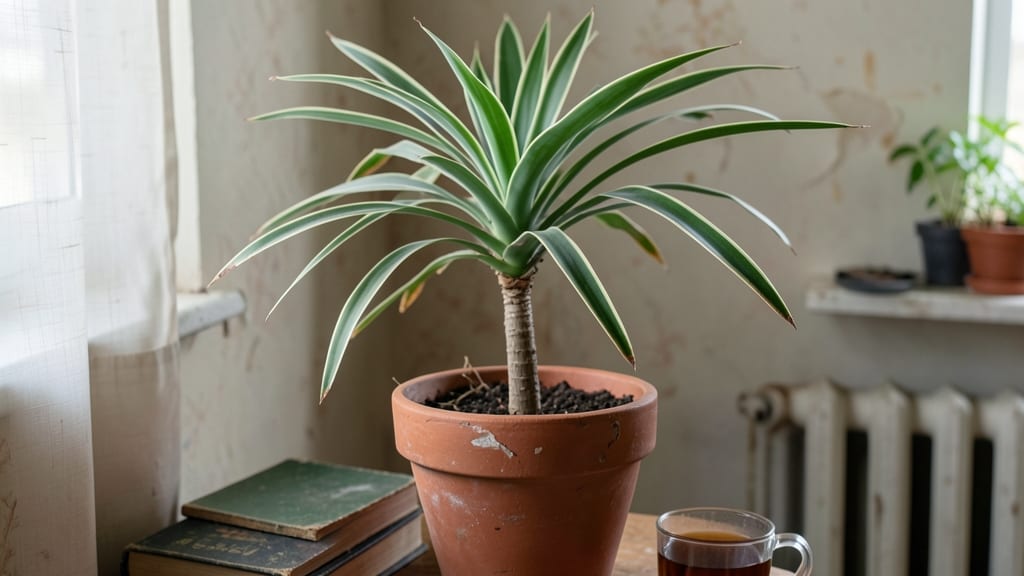
Live forever plants like Sempervivum and Dudleya survive droughts, freeze, and neglect—yet most gardeners still kill them. I’ve grown these tough little succulents for years, and I’ll show you how to keep them thriving with just three simple trims a year.
The secret isn’t complicated soil or fancy tools—it’s trusting their natural resilience while giving them the right conditions.
These plants need bright, direct sunlight (at least 6 hours a day) and well-draining soil—think gravelly mix or cactus blend. Watering is the trickiest part: soak the soil only when it’s bone-dry, then let excess drain completely.
Overwatering is the #1 killer, but once you get the rhythm, they’ll bounce back from anything. Even my black thumb can’t mess these up.
By mastering the three trims—spring cleanup, summer shaping, and fall propagation—you’ll end up with lush, rosette-shaped plants that multiply effortlessly. They’ll spread across rocky slopes, spill over containers, or even survive winter snow.
The best part? Every leaf you snip becomes a new plant, so you’re always getting free propagation. Your neighbors will ask how you keep them so vibrant.
Works in rock gardens, succulent bowls, or alpine beds, and they’re hardy in USDA zones 3-10. Whether you’re a beginner or a seasoned gardener, these plants prove that beauty doesn’t require constant attention—just the right touch. Let’s get those trimmers ready.
📚 In This Guide
- What you need
- Instructions
- Tips and common mistakes
- Wrapping up and next steps
What you need
- ● Live Forever Plants (Sedum spp.) – 1-3 mature plants (6+ inches tall) or cuttings from a friend’s garden.
- ● Well-draining potting mix – 2-3 gallons (for repotting or propagation). Look for a blend labeled for succulents or cacti.
- ● Containers with drainage holes – 1-2 pots (6-12 inches wide), depending on plant size. Terracotta or ceramic works best.
- ○ Pruning shears or sharp scissors – Clean, sterilized tools to avoid disease. Optional: A small hand saw for thicker stems.
- ● Gravel or perlite – ½ cup per pot to improve drainage and prevent root rot.
- ● Watering can with a narrow spout – For precise hydration (overwatering is the #1 killer of live forever plants!).
- ● Garden gloves – To protect your hands from sharp stems or soil.
- ○ Rooting hormone (optional) – Speeds up propagation success (e.g., powder or gel form).
- ● Spray bottle – For misting cuttings during propagation.
- ● Sunlight meter or app – Ensures your plants get 6+ hours of direct sun daily (e.g., Sun Surveyor).
- ● Label markers – To track plant varieties or trimming dates.
- ● Fertilizer (low-nitrogen, succulent-specific) – Use once every 2-3 months in spring/summer.
Instructions for pruning live forever plants to keep them thriving year-round
Here's the straightforward approach I use to maintain healthy, bushy live forever plants with minimal effort.
Identify and Remove Dead or Damaged Growth
Start by inspecting your plant for any brown, crispy stems or leaves—these are dead and won't recover. Use clean, sharp pruning shears to snip them away at the base, cutting just above a healthy leaf node or branch. This ensures the plant doesn't waste energy trying to revive what's already gone. I always work from the bottom up, clearing away debris as I go so it doesn't accumulate around the base.
You'll notice the plant looks a bit sparse after this step, but this is normal. Removing dead growth encourages new, vigorous shoots to emerge from the healthy tissue below. If you're unsure whether a stem is dead, gently tug on it—if it pulls away easily, it's gone. If it resists, it's still alive and should stay put.
Shape the Plant with Strategic Cuts
Live forever plants thrive when they have good airflow and light penetration, so the goal here is to create an open, rounded shape. Focus on trimming back any leggy or overcrowded branches to about ½ inch above a leaf node. This encourages branching and prevents the plant from becoming top-heavy or sparse at the bottom.
I like to step back every few cuts to visualize the plant's form. If one side looks fuller than the other, trim slightly more on the denser side to maintain balance. Avoid cutting into old, woody stems—they won't regrow, and the plant will struggle to heal. You'll see new growth sprout from the cut nodes within a few weeks, filling out the plant beautifully.
Encourage Bushier Growth with Pinching
To keep your live forever plant compact and full, pinch off the tips of the new growth when they reach about 3-4 inches long. This might seem counterintuitive, but it signals the plant to put energy into producing side branches instead of stretching upward. Use your fingers or small pruners to make a clean cut just above a set of leaves or a leaf node.
Pinching is especially effective in spring or early summer when the plant is actively growing. You'll notice within a few weeks that the plant fills out more densely, with multiple stems emerging from the pinched areas. This step is key to maintaining that lush, "forever" look—skipping it often leads to tall, sparse plants that lose their charm over time.
Clean Up and Promote Recovery
After pruning, remove all the clippings from the area to prevent pests or disease from taking hold. I like to compost the healthy green trimmings, as they’re nutrient-rich and will break down quickly. If the plant looks stressed after pruning—leaves drooping or wilting—give it a good drink of water to help it recover. Overwatering now is better than underwatering, but don’t let the soil stay soggy for more than a day or two.
In the days following pruning, keep the plant in a spot with bright, indirect light. Direct sunlight can stress freshly pruned plants, so if you’ve been growing it in full sun, move it to a slightly shaded area for a week or two. You’ll see new growth emerging within 2-4 weeks, signaling that the plant is healing and thriving. This is the moment it all comes together—your plant will look fuller, healthier, and ready to keep growing for years to come.
Tips & tricks for perfect live forever plant pruning
A few simple strategies will transform your live forever plants from sparse to lush year-round.
Tool Preparation: Sterilize your pruning shears with rubbing alcohol between cuts to prevent spreading disease. I always clean them after removing dead growth and again before shaping—this keeps your plant healthy and prevents infections that can occur from contaminated tools. For larger branches, consider using a small hand saw for cleaner cuts that heal faster.
Visual Pruning Cues: In Step 2, when shaping your plant, look for the natural growth pattern where branches emerge in a spiral. Trim to maintain this spiral shape, which allows sunlight to reach all parts of the plant. You'll notice the plant develops a more natural, balanced form when you follow its inherent growth rhythm rather than cutting randomly.
Pinching Timing: The 3-4 inch length for pinching in Step 3 is ideal for most live forever varieties, but observe your plant's growth rate. If you're in a cooler climate or growing indoors with lower light, you might need to pinch slightly earlier—around 2-3 inches—to encourage branching before the plant becomes leggy. This adjustment helps compensate for slower growth conditions.
Post-Pruning Light Strategy: After pruning, place your plant in bright, indirect light for the first week to reduce stress. If you're transitioning from full sun, gradually reintroduce direct sunlight over 3-5 days. You'll see new growth emerge more confidently when the plant isn't shocked by sudden light changes.
Pro Tips for Live Forever Plants
- A few simple strategies will transform your live forever plants from sparse to lush year-round.
- Tool Preparation: Sterilize your pruning shears with rubbing alcohol between cuts to prevent spreading disease.
- Visual Pruning Cues: In Step 2, when shaping your plant, look for the natural growth pattern where branches emerge in a spiral.
Frequently asked questions
How often should I trim my "Live Forever" plants for best results?
Trim your Live Forever plants (like Dudleya or Sedum) every 4-6 weeks during their active growing season (spring to fall). Over-trimming can stress them, while under-trimming may slow growth. Focus on removing dead or leggy stems first—this keeps them compact and healthy year-round!
Can these plants survive winter indoors or do they need special care?
Yes! Most Live Forever plants thrive indoors year-round with bright, indirect light (south-facing windows are ideal). Reduce watering in winter—they’re drought-tolerant and may go dormant. If leaves yellow, you’re likely overwatering. A 3-4 month rest period mimics their natural cycle and keeps them robust.
What’s the #1 mistake people make when growing these plants?
The biggest mistake? Overwatering—these succulents store water in their leaves and rot easily in soggy soil. Let the top 1-2 inches of soil dry out completely between waterings. Use a well-draining mix (like cactus soil + perlite) and a pot with drainage holes to avoid disaster.
Are there any non-toxic alternatives if I have pets or kids?
Opt for non-toxic Live Forever varieties like Sedum morganianum ("Burro’s Tail") or Echeveria species. Avoid Dudleya or Kalanchoe, which can be toxic if ingested. Always spot-test new plants in a safe area first—better safe than sorry!
How do I propagate trimmings to grow more plants?
Propagating is easy! Let trimmings dry for 1-2 days to callus over (prevents rot), then place them in a well-draining soil mix. Keep them in bright, indirect light and water sparingly. Roots should form in 2-4 weeks. Pro tip: Use small pots or trays to organize cuttings—it’s like cloning your favorite plants!
Wrapping up and next steps
Discovering live forever plants is like unlocking a secret to effortless greenery—no green thumb required! 🌿 With just three simple trims a year, you can keep these hardy companions thriving, year after year.
Whether you're a seasoned gardener or a beginner, these plants prove that nature’s beauty is low-maintenance and endlessly rewarding.
Ready to bring this easy-care magic to your space? Start small: Grab one live forever plant, follow the trimming tips, and watch it flourish. Before you know it, you’ll be sharing your green success story with fellow plant lovers! 🌱✨