
Companion Plants
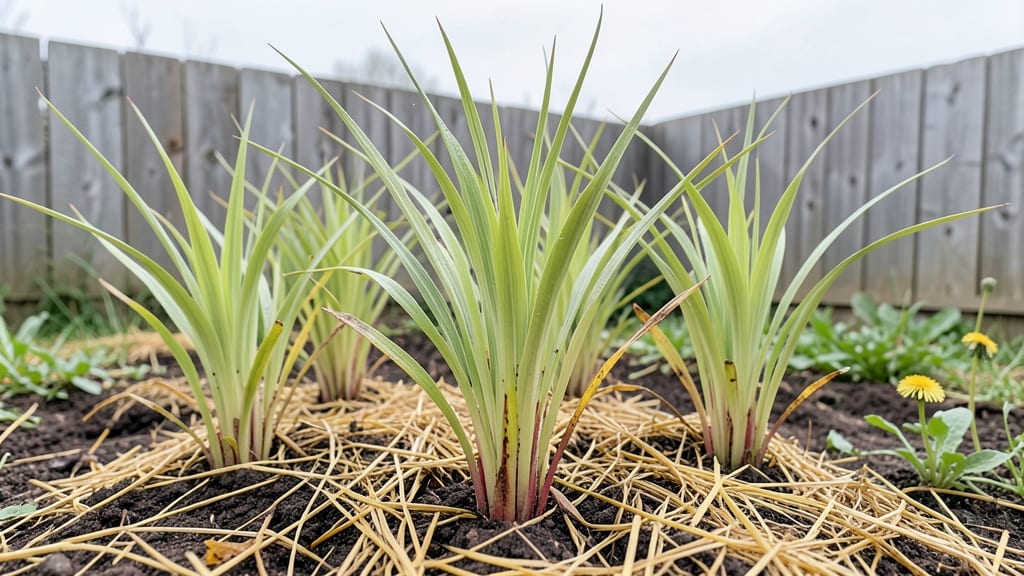
Growing large citronella plants means turning your patio into a mosquito-free zone without chemicals. 🌿 I’ve grown these towering, fragrant shrubs for years, and the difference in summer evenings is night-and-day—no more swatting or itchy bites.
The key isn’t just sticking a cutting in soil; it’s giving them the right space, light, and care to grow into those 6-foot-tall powerhouses that actually work.
Start with a 15-gallon container—citronella roots spread fast, and cramped pots stunt their growth. Use well-draining potting mix (equal parts soil, perlite, and compost) and place them where they’ll get full sun for at least 6 hours daily.
Water deeply when the top inch of soil feels dry, but never let them sit in soggy soil—root rot shuts them down fast.
Prune back leggy stems in early spring to encourage bushier growth, and pinch off flowers if you want to focus energy on foliage (more leaves = more repellent oils). By midsummer, your plants will be thick enough to block breezes while keeping mosquitoes at bay.
The scent alone—like a mix of lemon and mint—makes evenings feel like a retreat.
Bonus tip: Pair them with basil or marigolds for extra pest control. These plants thrive in containers through winter too, just move them to a sheltered spot when temps drop below 40°F. Once you’ve got a few, you’ll never buy citronella candles again.
📚 In This Guide
- What you need
- Instructions
- Tips and common mistakes
- Wrapping up and next steps
What you need
- ● Citronella plant (Cymbopogon nardus) – Choose a healthy, 1- to 2-year-old plant (or seeds if starting from scratch). Pro tip: Look for organic or pesticide-free options!
- ● Large container – A 5-gallon or larger pot (at least 12–18 inches deep) with drainage holes. Bonus: Terracotta or fabric pots help regulate moisture!
- ● High-quality potting mix – A well-draining blend (e.g., 60% peat moss, 30% perlite, and 10% sand) or a cactus/succulent mix with added compost.
- ● Slow-release fertilizer – A balanced 10-10-10 or 20-20-20 formula to kickstart growth.
- ○ Mulch (optional but helpful) – Pine bark or straw to retain moisture and suppress weeds.
- ● Gloves & long sleeves – Citronella leaves can be sharp!
- ● Trowel or small shovel – For transplanting or amending soil.
- ● Watering can or hose with a gentle spray nozzle – Citronella loves moisture but hates soggy roots.
- ● Pruning shears – To trim leggy stems and encourage bushiness.
- ● Sunny spot! – 6+ hours of direct sunlight daily (partial shade in scorching climates).
- ● Citronella companion plants – Basil, marigolds, or lavender to boost repellent power!
- ● Self-watering system – A moisture meter or drip irrigation for fuss-free care.
- ● Decorative stones or pebbles – For a polished, tropical look around the base.
Step-by-step instructions for growing large citronella plants in containers
Here's how to grow towering, mosquito-banishing citronella plants that'll dominate your patio.
🌱 Step 1: Select and Prepare the Right Containers
Choose containers that are at least 12 inches deep and 18 inches wide—citronella roots need room to spread. I prefer terracotta pots because they breathe, but any container with drainage holes works. If yours don't have them, drill ¼-inch holes in the bottom to prevent root rot.
Line the bottom with 2 inches of gravel or broken pottery shards to improve drainage. This layer keeps water from pooling around roots, which is especially important for citronella since soggy soil invites fungal diseases. Place your containers in a sunny spot—citronella thrives in full sun for at least 6-8 hours daily.
🌱 Step 2: Plant Citronella Starts at the Right Depth
Dig a hole in the container that's twice as wide as the root ball and just as deep. Gently remove the plant from its nursery pot and loosen the roots if they're circling. Place the plant in the hole so the top of the root ball sits ½ inch below the container's rim.
Fill the hole with fresh potting mix, pressing lightly around the base to eliminate air pockets. Water deeply until moisture runs out the drainage holes—this helps settle the soil and removes any air gaps. Avoid overwatering now; citronella prefers slightly dry soil between waterings.
☀️ Step 3: Provide Sun, Water, and Fertilizer for Rapid Growth
Citronella grows best in full sun, so place your containers where they'll get the most light. If you notice the stems stretching or leaves growing pale, move the plant closer to the light source. Water when the top 2 inches of soil feel dry—stick your finger in the soil to check. Overwatering is the fastest way to kill citronella, so let the soil dry out between waterings.
Feed your plants every 4-6 weeks with a balanced, water-soluble fertilizer (like 10-10-10) diluted to half strength. I start fertilizing in early spring and continue until late summer. Stop feeding in fall to let the plant prepare for dormancy. Prune leggy growth back by ⅓ to encourage bushier, thicker plants.
✂️ Step 4: Prune and Maintain for Maximum Mosquito Protection
Citronella releases its mosquito-repelling oils through its leaves, so the more foliage you have, the better the protection. Prune back any dead or yellowing leaves immediately—they don't contribute to the plant's health or its repellent power. I also trim back any stems that grow too leggy or sparse to keep the plant compact and full.
In late fall, cut back the plant by ½ to encourage new growth in spring. Move containers to a sheltered spot if frost is expected, but don't bring them indoors—citronella needs a cool, dark winter dormancy. Water sparingly during dormancy, just enough to keep the soil from drying out completely.
🪴 Step 5: Divide and Repot for Long-Term Growth
Citronella plants get large and woody over time, so every 2-3 years, divide and repot them to keep them healthy. Wait until spring, after new growth appears, to do this. Gently remove the plant from its container and separate the root ball into smaller sections, ensuring each has at least 3-4 stems.
Repot the divisions into fresh containers with new potting mix. Water deeply and place them back in full sun. Dividing keeps your citronella plants vigorous and prevents them from becoming root-bound, which slows growth and reduces their mosquito-repelling effectiveness.
Tips & tricks for growing towering citronella plants
Between us, I've watched citronella plants go from sad nursery starts to lush, mosquito-banishing giants—and the difference comes down to these simple tricks.
The Container Size Secret: Those 12-inch deep, 18-inch wide containers aren't just suggestions—they're non-negotiable for large plants. I've tried smaller pots, and while they work for starter plants, they'll never give you that towering growth you want. The extra depth gives roots room to establish, while the width prevents overcrowding as your plant matures.
Sunlight Strategy: The 6-8 hours of full sun requirement isn't just about growth—it's about oil production. Citronella's mosquito-repelling compounds develop best in direct sunlight. If your patio gets afternoon shade, move containers to a sunnier location during peak hours (10 AM-2 PM). I've seen plants in partial shade grow tall but produce almost no repellent oils.
Watering Wisdom: That "water when top 2 inches are dry" rule is crucial, but here's what nobody tells you—citronella plants actually prefer their roots to dry out completely between waterings. I check by sticking my finger 3 inches down; if it's damp, I wait. Overwatering causes root rot faster than anything else, and soggy soil is a breeding ground for fungal diseases that'll stunt your plant's growth.
Fertilizer Timing: The 4-6 week feeding schedule is perfect, but here's my game-changer: I switch to a higher-phosphorus fertilizer (like 5-10-5) during the first 8 weeks after planting. This gives roots a boost to establish quickly. After that, I go back to balanced 10-10-10. The key is stopping fertilizing in fall—this signals the plant to prepare for dormancy instead of putting energy into new growth.
Pro Tips for Large Citronella Plants
- Between us, I've watched citronella plants go from sad nursery starts to lush, mosquito-banishing giants—and the difference comes down to these simple tricks.
- The Container Size Secret: Those 12-inch deep, 18-inch wide containers aren't just suggestions—they're non-negotiable for large plants.
- Sunlight Strategy: The 6-8 hours of full sun requirement isn't just about growth—it's about oil production.
Frequently asked questions
Got questions about growing large citronella plants in containers? You’re not alone! Here are the answers to the most common queries—from planting to pest control—so you can keep those pesky mosquitoes at bay without the hassle.
How big can citronella plants grow in containers?
Citronella plants typically reach 3–5 feet tall in containers, but with proper pruning and care, they can stay compact. Choose a 12–18 inch pot with drainage holes to encourage healthy root growth. If you want them even larger, opt for a 20-gallon container—just ensure it’s sturdy and has room for their sprawling habit.
How long does it take for citronella plants to repel mosquitoes?
You’ll start seeing results in 4–6 weeks after planting, once the plant is established and actively growing. For maximum effectiveness, crush a few leaves or use a mortar and pestle to release the natural oils. Pro tip: Place pots near seating areas or patios for the best protection!
Can I grow citronella indoors, or does it need full sun?
Citronella thrives in full sun (6+ hours daily), but it can tolerate partial shade (4–6 hours) if you’re in a hot climate. For indoor growth, position it near a south-facing window or use a grow light. Just know: indoor plants may grow slower and produce less oil, so outdoor placement is ideal for mosquito control.
Why aren’t my citronella plants working against mosquitoes?
If your plants aren’t repelling mosquitoes, check these fixes:
- Age: Young plants (<1 year) produce less oil—give them time!
- Placement: Move pots to high-traffic areas where mosquitoes linger.
- Watering: Overwatering dilutes oils; let soil dry slightly between waterings.
- Companion plants: Try pairing with lavender, lemongrass, or basil for a mosquito-repelling powerhouse!
What’s the best way to overwinter citronella plants?
Citronella is tender perennials—they’ll die back in frost but can regrow from roots if protected. Before winter:
- Trim back dead foliage to prevent rot.
- Move pots to a garage or shed (keep temps above 40°F).
- Water sparingly—only enough to prevent soil from drying out completely.
- In spring, repot and fertilize to revive growth!
Are there alternatives to citronella for mosquito control?
Yes! If citronella isn’t your style, try these natural repellents:
- Lemongrass: Similar scent, hardier in containers.
- Marigolds: Bright flowers + mosquito-deterring properties.
- Catnip: Studies show it’s 10x more effective than DEET!
- Essential oils: Mix eucalyptus, peppermint, or tea tree oil with water for a DIY spray.
Wrapping up and next steps
Growing large citronella plants in containers isn’t just possible—it’s a game-changer for your outdoor space! 🌿 With the right care, these fragrant powerhouses will keep mosquitoes at bay while adding beauty to your patio or garden.
Whether you’re a seasoned gardener or just starting out, the key is patience, consistency, and a little love for your leafy ally.
Ready to take the next step? Start small—plant your citronella today and watch it thrive! Need more inspiration? Explore companion plants like lemongrass or lavender to create an even stronger mosquito-repelling ecosystem. Happy gardening! 🌱