
Companion Plants
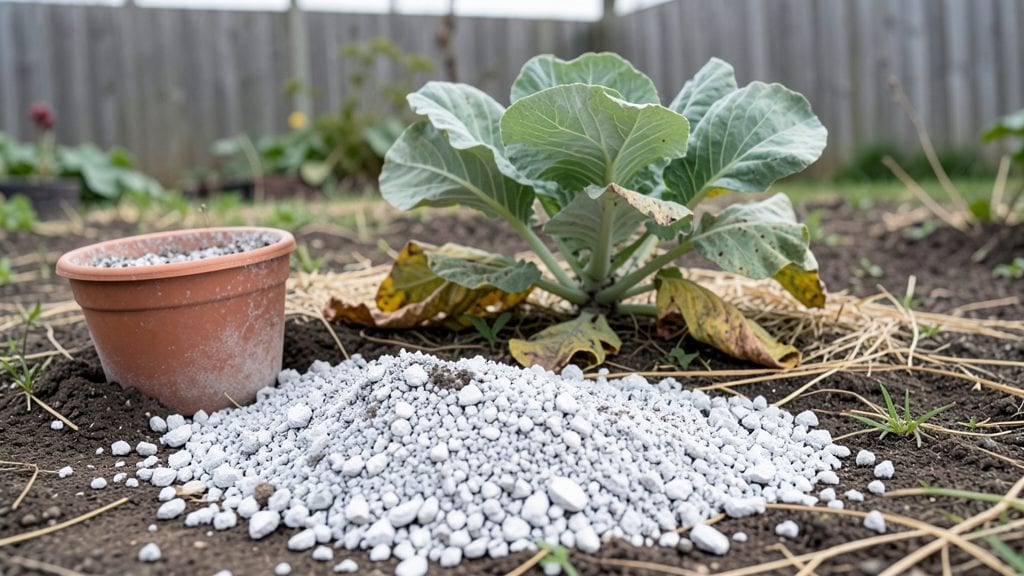
Alkaline soil for plants thrives with species like lavender, rosemary, and lilacs, which prefer pH levels above 7.0, while harming acid-loving varieties such as blueberries or azaleas. To modify soil pH, use sulfur to reduce alkalinity or lime to increase it, and always test with kits for precise balance to maximize nutrient absorption.
Alkalinity in soil isn't just about the numbers—it's about unlocking or locking out nutrients.
For example, lavender and rosemary love alkaline conditions because they can access more calcium and nitrogen, but blueberries need acidic soil to absorb iron properly. 🌿 The key is testing your soil every 1-2 years, especially if you notice yellowing leaves or stunted growth.
Many gardeners swear by organic methods like adding pine needles or composted leaves to gradually acidify the soil without harsh chemicals.
What's fascinating is how microbial life reacts to pH shifts. Beneficial bacteria and fungi thrive in slightly alkaline conditions, breaking down organic matter faster for plants like thyme or oregano.
However, if your soil pH creeps above 8.0, you risk locking out essential micronutrients like manganese and zinc, even if the soil looks rich. That's why I always recommend starting with a simple soil test before making drastic changes—sometimes just a few amendments make all the difference.
💡 In This Article
- How Soil Alkalinity Impacts Plant Nutrient Uptake
- Natural Ways to Lower Alkaline Soil pH for Acid-Loving Plants
How soil alkalinity impacts plant nutrient uptake
Soil alkalinity fundamentally changes how plants access essential nutrients by altering chemical solubility. When pH rises above 7.0, phosphorus—critical for energy transfer and root growth—becomes locked in insoluble forms, making it unavailable even if the soil appears rich.
Iron and manganese, both vital for chlorophyll production, precipitate out of solution as oxides at alkaline levels, leading to classic deficiency symptoms like yellowing leaves (chlorosis) between veins. This is why acid-loving plants like hydrangeas struggle in alkaline conditions—they simply can't uptake these micronutrients efficiently.
The mechanism behind this involves basic chemistry: higher pH increases hydroxyl ions (OH⁻) that bind with metal cations (like Fe³⁺ or Mn²⁺), forming insoluble compounds. For example, at pH 8.0, iron availability drops by 90% compared to acidic soils (pH 6.0).
Even nitrogen fixation by legumes suffers—alkaline soils reduce rhizobium bacteria activity by 30-50%, cutting nitrogen uptake for plants like clover or peas. The texture of alkaline soils also becomes denser, reducing root penetration and water retention, which compounds nutrient stress.
Microbial communities shift dramatically with alkalinity too. Beneficial fungi like mycorrhizae thrive in slightly alkaline conditions (pH 7.5-8.0), aiding nutrient absorption for plants like lavender, but harmful pathogens often dominate above 8.5.
The aroma of healthy alkaline soil—earthy with a faint mineral note—contrasts sharply with the sour, acidic tang of peat-based mixes. This microbial balance explains why alkaline soils support drought-resistant succulents (e.g., sedum) but stifle moisture-loving rhododendrons.
Comparing plant families reveals stark contrasts: most vegetables (tomatoes, peppers) prefer 6.0-7.0 pH, while ornamental grasses and many perennials tolerate 7.5-8.0.
Legumes like alfalfa actually prefer slightly alkaline conditions (7.0-8.0) for optimal nitrogen fixation, while citrus trees (pH 6.0-7.0) show iron deficiency symptoms within weeks if pH drifts above 7.5. The visual difference is striking—alkaline-loving lavender develops deep purple blooms, while stressed blueberries produce pale, sparse berries.
What most gardeners overlook is how alkalinity affects secondary nutrients like calcium and sulfur. While calcium becomes more available in alkaline soils (benefiting leafy greens), sulfur—needed for protein synthesis—becomes scarce, limiting growth in brassicas (cabbage family).
Testing soil pH with a simple kit ($10) reveals these hidden imbalances before symptoms appear. For example, a 7.8 pH might seem neutral but actually locks out 50% of available phosphorus for most plants.
Understanding these interactions lets you make targeted adjustments. For instance, adding 1-2 pounds of sulfur per 100 square feet can lower pH by 1.0-1.5 units over 3 months**, while organic matter (compost) buffers extremes. The key is patience—rapid pH shifts disrupt microbial ecosystems, so gradual changes yield healthier plants. 🌱