
Companion Plants
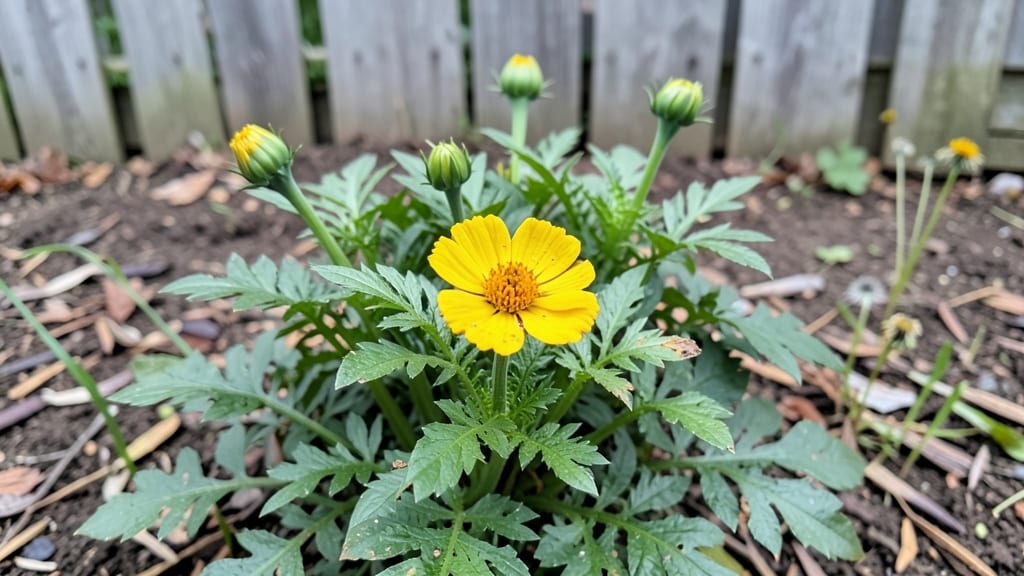
The beginner garden plants that grow in a flash will transform your empty beds into a thriving garden before you’ve even sharpened your pruners—here’s how I finally cracked the code. 🌱 deliver results in mere weeks.
The right choices turn a blank space into a thriving patch of greens, herbs, and flowers before you can say "first frost." These plants thrive with basic care: a sunny spot, consistent water, and minimal fuss.
No fancy soil mixes or complicated schedules—just match the plant to your light conditions and let them grow. My snap peas went from seed to harvest in 50 days, while bush beans produced pods within 6 weeks, proving that beginner-friendly doesn’t mean boring.
You’ll end up with a garden that’s not just alive but productive—think fresh basil for pesto, crisp lettuce for salads, and vibrant marigolds that repel pests naturally. The best part? These plants grow fast enough to keep you hooked before summer even begins.
Perfect for small spaces, containers, or full garden beds—no experience required. Here’s how to pick the right ones for your setup and avoid the rookie mistakes that kill first gardens.
📚 In This Guide
- What you need
- Instructions
- Tips and common mistakes
- Wrapping up and next steps
What you need
- ● Seeds or Seedlings: 5–10 packets of easy-to-grow companion plants (e.g., radishes, lettuce, basil, marigolds, or nasturtiums). Opt for heirloom or organic seeds for best results.
- ● 1–2 starter plants (e.g., tomatoes, peppers, or herbs) from a local nursery for instant growth.
- ● Garden Space: A sunny spot (6+ hours of light daily) for most veggies/herbs; partial shade for leafy greens.
- ● Container pots (5–10 gallons) or a raised bed (4’x8’ minimum) with drainage holes.
- ● Soil: 1–2 bags of high-quality potting mix (e.g., Miracle-Gro or FoxFarm) or compost-enriched garden soil.
- ● 1 bag of perlite or vermiculite (for drainage, 1 part to 3 parts soil).
- ● Watering Supplies: A watering can (1–2 gallons) or a hose with a gentle spray nozzle.
- ○ Drip irrigation kit (optional but helpful for consistency).
- ● Basic Tools: 1 small hand trowel (for planting/seeding).
- ● 1 pair of gardening gloves (nitrile or cotton).
- ● 1 pruners or scissors (for harvesting/deadheading).
- ● A garden journal to track planting dates, watering schedules, and growth progress.
- ● Organic fertilizer (e.g., fish emulsion or compost tea) for a nutrient boost.
- ● Mulch (straw or shredded leaves) to retain moisture and suppress weeds.
- ● A sun/shade meter to test your garden’s light conditions.
- ● Decorative stakes or trellises (for climbing plants like cucumbers or beans).
Step-by-Step guide to fast-growing beginner garden plants
Here's the method I've used to grow confident gardeners—no fuss, just reliable results.
🌱 Step 1: Select the Right Fast-Growing Plants
Start with radishes (ready in 25 days), bush beans (harvest in 50 days), lettuce (cut-and-come-again in 30 days), or zucchini (fruit in 45 days). These four deliver fast rewards and forgive beginner mistakes. I always plant radishes first—they're the garden's speedometer. Choose disease-resistant varieties labeled "beginner-friendly" on seed packets.
Skip anything labeled "heirloom" or "delicate" for your first season. You want plants that tolerate occasional neglect and still produce. Radishes, for example, grow even if you forget to water for a few days. Bush beans don't require staking, and zucchini grows so aggressively that even missed harvests won't kill the plant.
💧 Step 2: Prepare Soil and Plant Seeds
Loosen the top 6 inches of soil with a garden fork until it crumbles easily. Mix in 2 cups of compost per 4 square feet—this feeds roots without overwhelming tender seedlings. For containers, use the 2 gallons of potting mix you've got, amending it with 1 tablespoon of organic fertilizer. Work it in until the mix looks dark and crumbly, not clumpy.
Plant seeds at the depth marked on the packet (usually twice the seed diameter). Radishes and lettuce can go in rows 1 inch apart, while beans and zucchini need 12 inches between plants. Water gently after planting so soil settles around seeds. You'll see tiny sprouts within 3-7 days—that's your signal everything's working.
☀️ Step 3: Water and Maintain for Fast Growth
Water once daily in the morning for the first 2 weeks, keeping soil 1 inch deep damp but not soggy. Use the 1-gallon watering can to deliver ½ gallon per plant at the base. Avoid wetting leaves—damp foliage invites fungal diseases. You'll know you're doing it right when the soil feels like a wrung-out sponge: moist but not dripping.
Add 1 more tablespoon of fertilizer when seedlings show first true leaves (not the initial seed leaves). This boosts growth without burning tender roots. Thin crowded seedlings to the strongest plant per spot—radishes and lettuce can share space until they're 2 inches tall, then snip the extras at soil level.
✂️ Step 4: Harvest at Peak Ripeness
Radishes are ready when they reach 1 inch in diameter—pull them before they get tough. Lettuce leaves can be harvested 3 inches long by cutting outer leaves first. Bush beans snap easily when pods are 4-5 inches long and plump. Zucchini should be 6-8 inches long with smooth skin—waiting too long makes them woody.
Harvest in the morning when plants are cool and crisp. Use a sharp knife or fingers to twist stems gently. The more you pick, the more your plants produce—this is the secret to fast, continuous harvests. You'll have your first bounty in less than a month, and that's when gardening becomes addictive.
Tips & tricks for fast-growing beginner garden plants
Here's what I've learned from growing these plants over and over again—these little tricks make all the difference for first-time gardeners.
Planting Timing: Radishes and lettuce are your fastest friends—plant them first in early spring or late summer for quick harvests. I always start with radishes in Step 1 because they're like the garden's speedometer—they'll tell you if your soil is ready. For zucchini and beans, wait until soil temperatures reach at least 60°F, which is usually after your last frost date. This prevents slow, leggy seedlings that struggle to establish.
Soil Prep Secret: In Step 2, don't just mix in compost—work it into the top 6 inches until you can't see any clumps. I like to add a handful of sand or perlite to improve drainage, especially if your soil feels heavy. This helps prevent root rot, which is especially important for lettuce that hates soggy feet. For containers, make sure your 2 gallons of potting mix has drainage holes—waterlogged roots will kill your plants faster than anything else.
Watering Hack: The once-daily watering in Step 3 works best if you do it in the morning. I set a timer on my phone for 8 AM sharp—this gives plants all day to dry out, reducing fungal risks. For containers, check soil moisture by sticking your finger 1 inch deep; if it's dry, water until you see moisture at the bottom of the pot. Overwatering is the #1 killer of beginner gardens, so when in doubt, wait another day.
Harvesting Tip: Don't wait until you see the perfect radish or zucchini in Step 4—harvest when they're ready! Radishes at 1 inch are sweeter than when they get tough. For lettuce, cut outer leaves when they're 3 inches long—the plant keeps producing new ones. With beans and zucchini, frequent harvesting actually encourages more production. I harvest my zucchini every morning before breakfast, and the plant never stops giving.
Pro Tips for Beginner Garden Plants
- Here's what I've learned from growing these plants over and over again—these little tricks make all the difference for first-time gardeners.
- Planting Timing: Radishes and lettuce are your fastest friends—plant them first in early spring or late summer for quick harvests.
- Soil Prep Secret: In Step 2, don't just mix in compost—work it into the top 6 inches until you can't see any clumps.
Frequently asked questions
Got questions about starting your beginner garden? You’re not alone—every green thumb starts somewhere! Here are answers to the most common queries to help you grow with confidence.
What are the easiest plants for a first-time gardener?
Start with fast-growing, low-maintenance plants like bush beans, radishes, or lettuce. These thrive quickly (30–60 days!) and forgive mistakes like inconsistent watering. Check our top 10 list for foolproof picks.
How soon can I expect to harvest my beginner plants?
Timing varies! Radishes pop up in as little as 3 weeks, while green beans take 45–60 days. Always check seed packets for "days to maturity" and plant 2–3 weeks before the last frost for ideal results.
How often should I water my beginner garden?
Keep soil consistently moist (not soggy!)—aim for 1–1.5 inches of water per week, including rain. Morning watering reduces evaporation, and mulch (like straw) locks in moisture. Overwatering is a bigger threat than underwatering!
What do I do if pests show up in my beginner garden?
Don’t panic! Start with neem oil or soapy water sprays for mild infestations. Handpick larger pests (like tomato hornworms) early in the day. Plant companion herbs (e.g., basil with tomatoes) to deter pests naturally.
Can I grow beginner plants in containers or small spaces?
Dwarf varieties
(like bush peas or cherry tomatoes) thrive in pots 12"+ deep. Use self-watering containers for consistency, and ensure they have drainage holes. Herbs like parsley or cilantro even grow well in window boxes!
Wrapping up and next steps
Starting your gardening journey with fast-growing, beginner-friendly plants sets you up for success—and joy! 🌱 From vibrant marigolds to hardy bush beans, these companions are low-maintenance yet high-reward, perfect for building confidence and reaping fresh harvests in no time. Remember, every expert gardener began exactly where you are now.
Ready to dive in? Start small:
- Pick one or two plants from this list to test your green thumb.
- Keep a simple garden journal to track growth and celebrate milestones!
- Once you’ve mastered these, expand your garden with new varieties—your future harvests will thank you! 🌟