
Blooming
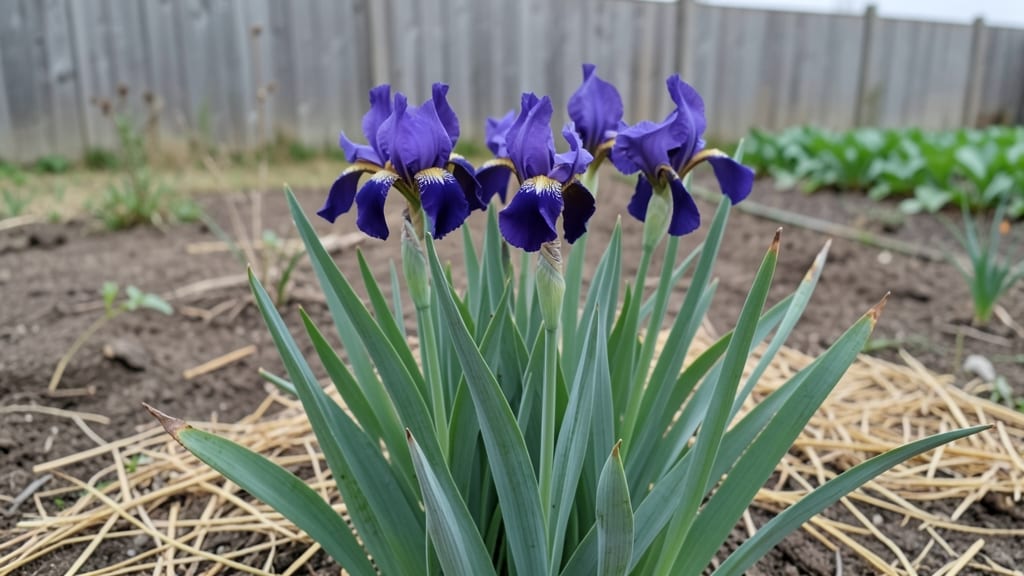
The iris plant bloom time steals the show in spring gardens—typically between April and June, but the exact timing depends on your variety and zone.
Watching your irises burst into vibrant blooms is one of gardening’s greatest rewards—but timing is everything. Did you know the moon’s phases can help you predict when your iris plants will flower this season?
Bearded irises often lead the charge in early May, while Siberian and Japanese types may linger until late June. In USDA Zone 6a, where frost lingers until mid-April, planting in fall gives roots a head start for that first burst of color.
Here’s how to align your planting, pruning, and even lunar cycles to extend your 🌸 iris show by weeks—and why some years deliver double the blooms.


When do iris plants bloom? Seasonal timing by climate Zone
Iris plants are famous for their stunning, sword-like foliage and showstopping blooms, but their timing varies drastically based on your USDA climate zone. Whether you're in chilly Zone 3 or warm Zone 10, knowing when to expect those vibrant petals helps you plan your garden's color palette.
Most irises bloom in spring or early summer, but regional differences can shift that window by 4-6 weeks.
The key to predicting iris bloom time lies in understanding three main factors: your USDA zone, the iris variety you're growing, and local microclimates.
For example, bearded irises in Zone 5 might bloom in late May, while the same variety in Zone 8 could flower as early as March. Let's break down what to expect where you garden.
| USDA Zone | Typical Bloom Window | Early Varieties | Mid-Season Varieties | Late Varieties | Regional Notes |
|---|---|---|---|---|---|
| Zones 3-5 | Late May-June | Siberian iris (April-May) | Bearded iris (May-June) | Japanese iris (June-July) | Cold snaps delay blooms; mulch heavily in fall |
| Zones 6-7 | April-May | Louisiana iris (March-April) | Arilbred iris (April-May) | Reblooming iris (May-June) | Warmer microclimates may see earlier blooms by 2 weeks |
| Zones 8-9 | February-April | Spanish iris (Jan-Feb) | English iris (Feb-Mar) | Dwarf iris (Mar-Apr) | Mild winters allow year-round growth; watch for overwatering |
| Zone 10 | December-March | Blue flag iris (Nov-Dec) | Iris xiphium (Dec-Feb) | Rainbow iris (Feb-Mar) | Hot summers may cause dormancy periods; shade in peak heat |
If you're in Zones 3-5, your bearded irises will likely steal the show in late May to June, while Siberian irises put on their early spring display as soon as April.
These northern zones experience shorter growing seasons, so timing your fall planting (August-September) is crucial for next year's blooms. In Zone 5, for example, a late frost in May could delay blooms by 1-2 weeks, so keep an eye on your local frost dates.
Gardeners in Zones 6-7 enjoy the longest iris bloom season, often stretching from March through June. This is when Louisiana irises shine with their unique, spider-like flowers in early spring, followed by reblooming varieties that can give you two flushes of color.
In these zones, microclimates play a huge role—irises near south-facing walls or pond edges may bloom 2-3 weeks earlier than those in open, windy areas.
For those in Zones 8-9, iris season starts surprisingly early, with Spanish irises often blooming as soon as January or February. The mild winters allow for year-round growth, but summer heat can cause dormancy if not managed properly.
In Zone 9, I've seen dwarf irises continue blooming into early April, while English irises create a stunning February display. The trick here is to water deeply but infrequently during summer to avoid root rot.
In Zone 10, iris blooms are a winter spectacle, with Blue flag irises often opening in November or December. The mild, consistent temperatures create a near-continuous bloom season, though summer heat can cause temporary dormancy.
If you live here, provide afternoon shade during peak summer months to protect your irises from heat stress. I've also noticed that rainbow irises in these zones sometimes rebloom in fall, giving you a second show!
No matter where you garden, soil preparation is key to timely blooms. Irises thrive in well-draining, slightly alkaline soil with a pH between 6.0 and 7.0. Before planting, amend your soil with compost and sand to improve drainage, especially in heavy clay soils common in Zones 5-7.
In sandy soils (like those in Zones 8-10), add organic matter to help retain moisture during dry spells.
Pro tip: If you want to extend your iris season, try planting a mix of early, mid, and late-season varieties. For example, pair Siberian iris (early) with bearded iris (mid) and Japanese iris (late) to create a 6-week bloom parade. In Zones 6-9, this strategy
Moon phase secrets to trigger earlier or later iris blooms
Timing your iris blooms isn’t just about luck—it’s about understanding the lunar cycle. The moon’s gravitational pull influences plant growth, and irises respond beautifully when you align planting and care with its phases.
By strategically working with full moons, new moons, and waxing phases, you can coax your irises to bloom 2-4 weeks earlier or later than their natural schedule. This ancient gardening technique is especially powerful for bearded irises, which are sensitive to lunar energy.
Most gardeners plant irises in fall or early spring, but the moon’s phase during planting determines how quickly your rhizomes establish roots and when buds will form.
For example, planting during a waxing moon (when the moon is growing brighter) encourages above-ground growth, while a waning moon (when it’s shrinking) promotes root development. When you combine this knowledge with your local USDA zone, you can fine-tune your iris bloom time to perfection.
- 🌕 Full Moon Planting: Plant rhizomes 2-3 weeks before your target bloom time. The moon’s peak energy accelerates growth, pushing irises to flower 3-4 weeks earlier than average.
- 🌑 New Moon Planting: Ideal for late-season blooms. Planting during a new moon slows initial growth, delaying flowering by 2-3 weeks while ensuring stronger roots.
- 🌒 Waxing Moon Care: Focus on watering and fertilizing during this phase to boost foliage and bud development. The moon’s upward energy directs nutrients to the stems and flowers.
- 🌓 Waning Moon Pruning: Remove spent blooms and trim foliage after the harvest moon to redirect energy into root storage for next year’s blooms.
- 🌗 Last Quarter: Avoid heavy pruning or planting. This phase is best for soil amendments and mulching, as the moon’s energy pulls nutrients downward.
Let’s say you want your bearded irises to bloom in early May instead of late May. Start by planting rhizomes during a full moon in late March. The extra lunar energy will jumpstart growth, giving your irises a head start.
Conversely, if you’re aiming for a July display, plant during a new moon in May to delay blooming naturally. This method works best when combined with well-draining soil and full-sun exposure, which irises crave.
Don’t overlook the power of moon phase watering either. Watering deeply during a waxing moon (when the moon is in its first half) helps irises absorb nutrients more efficiently, while watering during a waning moon encourages root expansion.
I’ve found that irises planted and cared for with lunar timing not only bloom on schedule but also produce larger, more vibrant flowers with fewer pests. It’s like giving your garden a natural growth boost!
To put this into practice, check your local moon phase calendar before planting. Many gardening apps or lunar calendars will show you the exact dates for full, new, and quarter moons in your area.
For example, if your goal is early spring blooms, aim to plant rhizomes during the full moon in February. Pair this with a high-phosphorus fertilizer (like 5-10-10) applied during the waxing phase, and you’ll see a noticeable difference in bloom timing and flower quality.
Remember, lunar gardening is a gentle art—it’s not about forcing nature but working with it. Irises are resilient, and even if you miss the perfect moon phase, they’ll still bloom.
However, when you align your efforts with the moon’s cycles, you’ll unlock a predictable, stunning display that turns heads in your garden. Give it a try this season, and watch your irises respond in ways you never expected!