
Pruning
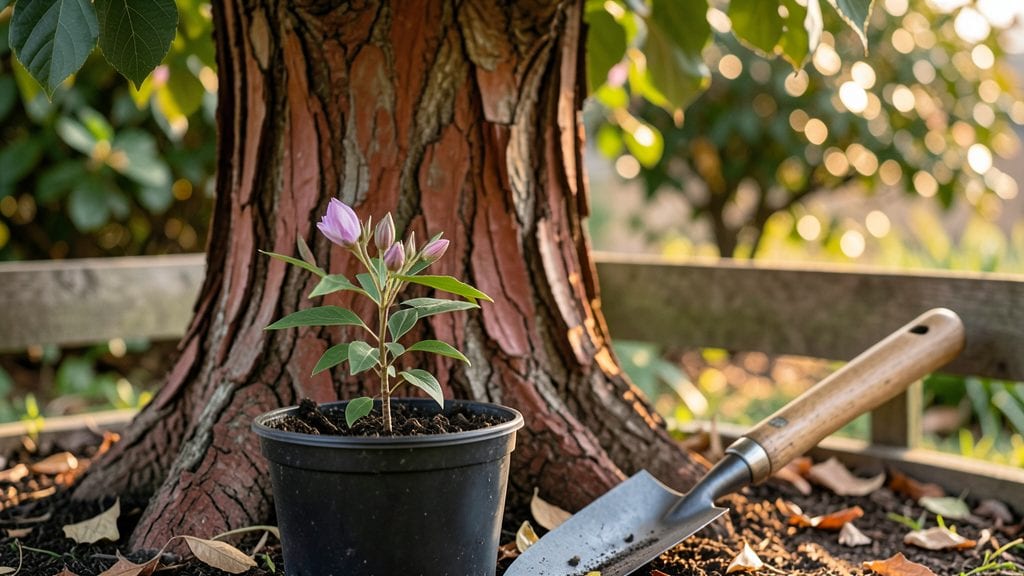
Mastering crape myrtle planting and care turns your yard into a sun-drenched showstopper with their vibrant blooms and peeling bark.
I learned the hard way that the right soil, spacing, and timing make all the difference—my first attempt flopped because I ignored the plant's love for well-draining dirt and full sun. The secret isn't just where you plant it, but how you prep the ground first.
Start with soil that drains like a dream—amend heavy clay with compost or sand if needed—and pick a spot where the plant gets at least six hours of sunlight daily. Space them 6 to 10 feet apart, depending on the variety, to give their roots room to stretch without competing.
Water deeply after planting, but don’t drown them; crape myrtles hate soggy feet. Mulch around the base to keep moisture in and weeds out, and you’ll see new growth within weeks.
Once established, these shrubs are low-maintenance champions. Prune in late winter to shape them and remove dead wood, but never "top" them—this brutal practice stunts blooms and weakens the plant. Fertilize lightly in early spring with a balanced formula, and watch as they burst into color from summer through fall.
The bark alone adds winter interest, so you’ll have beauty year-round with minimal effort.
Cold-hardy down to zone 5, crape myrtles thrive in heat and humidity, making them perfect for Southern gardens. Just avoid planting in low spots where frost lingers, and you’ll have a shrub that outshines the neighbors.
The key is patience—give them a year to settle in, and they’ll reward you with decades of effortless elegance.
📚 In This Guide
- What you need
- Instructions
- Tips and common mistakes
- Wrapping up and next steps
What you need
- ● Crape myrtle plants: 1-3 bare-root or container-grown plants (depending on desired size and spacing). Choose disease-resistant varieties like 'Natchez', 'Muskogee', or 'Tonto'.
- ● Shovel or trowel: A sturdy digging tool (18-24" shovel for larger holes, hand trowel for smaller plants).
- ● Garden fork or cultivator: To loosen soil and improve drainage.
- ● Compost or well-aged manure: 2-3 gallons per plant (for enriching soil).
- ○ Mulch (optional but recommended): 2-3 inches of organic mulch (pine straw, wood chips, or shredded bark) to retain moisture and suppress weeds.
- ● Watering can or hose with a gentle spray nozzle: For post-planting hydration.
- ● Gloves: Heavy-duty gardening gloves to protect your hands.
- ● Pruning shears: Sharp, clean shears (for trimming any damaged branches during planting).
- ● Soil test kit: To check pH and nutrient levels (ideal pH: 5.5-6.5).
- ● Slow-release fertilizer: 10-10-10 or similar (apply sparingly, following package instructions).
- ● Plant support (stakes or cages): For young or top-heavy varieties in windy areas.
- ● Epsom salt (magnesium sulfate): 1 tablespoon per plant (helps with vibrant blooms).
- ● Drip irrigation system: For consistent watering, especially in hot climates.
Step-by-step guide for planting and caring for crape myrtles
Here’s how to establish crape myrtles for stunning summer blooms and year-round interest.
Choose the Perfect Planting Location and Time
Crape myrtles thrive in full sun, so select a spot that receives at least 6-8 hours of direct sunlight daily. They tolerate heat and drought once established, making them ideal for southern landscapes. The best time to plant is in early spring, after the last frost, or in fall, about 6 weeks before the first frost date. This gives roots time to settle before extreme temperatures.
I always check the microclimate of my yard—some areas might get afternoon shade from nearby trees. If your site has partial shade, choose a smaller variety like ‘Avalanche’ or ‘Dynamite’ for better performance. Avoid low-lying spots where water pools, as crape myrtles dislike soggy roots.
Prepare the Soil and Dig the Hole
Crape myrtles adapt to various soil types but prefer well-draining, slightly acidic soil (pH 6.0-7.0). If your soil is heavy clay, mix in 2-3 inches of compost or sand to improve drainage. The hole should be twice as wide as the root ball but only as deep. This prevents burying the trunk too deeply, which can cause rot.
Loosen the roots gently if they’re circling in the container before placing the plant in the hole. Backfill with native soil mixed with a handful of slow-release fertilizer (like 10-10-10) to encourage strong root growth. Water deeply to settle the soil around the roots, but avoid compacting it.
Water Deeply and Mulch to Retain Moisture
After planting, water the crape myrtle deeply—about 1-2 gallons per plant—to encourage roots to grow downward. Newly planted shrubs need 1 inch of water per week, either from rainfall or irrigation. Let the top 2 inches of soil dry out between waterings to prevent root rot, especially in the first year.
Apply 2-3 inches of mulch (like pine straw or shredded bark) around the base, keeping it 6 inches away from the trunk. Mulch conserves moisture, regulates soil temperature, and suppresses weeds. Replenish mulch annually, but never pile it against the stem, as this can trap moisture and invite disease.
Prune for Shape and Health in Late Winter
Crape myrtles bloom on new wood, so prune just after dormancy (late winter or early spring) to shape the shrub and remove dead or crossing branches. Avoid heavy pruning in fall, as new growth may not harden off before cold weather. I never cut into old wood—this removes next year’s flower buds.
Use clean, sharp pruners to make cuts at a 45-degree angle just above a bud or branch collar. Thin out crowded branches to improve airflow, which reduces disease risk. For larger shrubs, remove no more than 25% of the foliage in a single pruning session to avoid stress.
Fertilize and Monitor for Pests
Feed crape myrtles in early spring with a balanced fertilizer (like 10-10-10) at half the recommended rate. Over-fertilizing encourages leafy growth over flowers. If your soil is nutrient-poor, apply a slow-release granular fertilizer in late spring as well. Water deeply after fertilizing to help nutrients reach the roots.
Watch for aphids, scale, or powdery mildew, which can stress young plants. I spray affected areas with neem oil or insecticidal soap as needed. Healthy crape myrtles rarely need pesticides, so focus on proper watering, mulching, and pruning to keep them thriving.
Tips & tricks for perfect crape myrtle planting and care
Here are the key strategies I've learned over years of growing crape myrtles that make all the difference in their long-term success.
Location and Lighting: While crape myrtles need that crucial 6-8 hours of direct sunlight, don't overlook the importance of afternoon sun exposure. I've found that plants receiving morning sun but afternoon shade often struggle with fewer blooms. If your yard has afternoon shade, consider smaller varieties like 'Avalanche' that perform better in partial shade conditions. Also, avoid planting near large trees that will compete for sunlight and nutrients.
Soil Preparation Insight: The 2-3 inches of compost or sand recommendation is critical for heavy clay soils, but don't stop there. I always test my soil's pH before planting—crape myrtles prefer slightly acidic soil (6.0-7.0). If your soil is too alkaline, add sulfur or peat moss to adjust the pH. This small step prevents nutrient deficiencies that can show up as yellow leaves or poor flowering.
Watering Wisdom: That 1-2 gallons of water per plant immediately after planting is essential, but the real secret is in the watering schedule. Newly planted crape myrtles need consistent moisture at the root level. I use a soaker hose set on a timer for 10 minutes daily during the first year to ensure deep watering without wetting the foliage. This prevents fungal diseases while maintaining proper soil moisture.
Pruning Precision: When pruning in late winter, focus on removing only dead, diseased, or crossing branches first. I never cut into old wood as this removes next year's flower buds. For shaping, I make cuts just above a bud at a 45-degree angle using clean, sharp pruners. Remember, you can always remove more later, but you can't put back what you cut off now.
Pro Tips for Crape Myrtle Planting And Care
- Here are the key strategies I've learned over years of growing crape myrtles that make all the difference in their long-term success.
- Location and Lighting: While crape myrtles need that crucial 6-8 hours of direct sunlight, don't overlook the importance of afternoon sun exposure.
- Soil Preparation Insight: The 2-3 inches of compost or sand recommendation is critical for heavy clay soils, but don't stop there.
Frequently asked questions
Got questions about growing crape myrtles? You’re not alone! Here are answers to the most common concerns—from planting to pruning—so you can keep your shrubs thriving with confidence.
When is the best time to plant crape myrtles?
The ideal time is early spring or fall, when temperatures are mild (50–70°F). Planting in late spring or summer risks stress from heat or drought, while winter planting can expose roots to cold. For container-grown plants, you can plant year-round in frost-free zones.
How long does it take for crape myrtles to bloom?
With proper care, crape myrtles typically bloom within 1–2 years of planting. Young trees may take slightly longer, but healthy soil, full sun, and regular watering speed up the process. Patience pays off—once established, they reward you with vibrant flowers for weeks!
Can crape myrtles survive cold winters?
Most crape myrtles are hardy to USDA Zones 7–9, but some varieties (like Lagerstroemia ‘Natchez’) tolerate down to Zone 6. In colder climates, mulch the base with 2–3 inches of organic material and protect young trees with burlap wraps if temps drop below 10°F.
Why are my crape myrtle leaves turning yellow?
Yellow leaves often signal overwatering, poor drainage, or nutrient deficiencies. Check soil moisture—crape myrtles hate soggy roots. Yellowing on older leaves may indicate iron deficiency; amend soil with compost or a balanced fertilizer. If only new leaves yellow, it could be chlorosis (common in alkaline soil).
Are there dwarf crape myrtle varieties for small spaces?
Try ‘Acoma’ (3–5 ft tall) or ‘Tonto’ (4–6 ft), both compact and perfect for containers or tight gardens. These varieties retain the stunning blooms but with less sprawl. Just ensure they get at least 6 hours of sun daily to thrive.
What pests should I watch for on crape myrtles?
Keep an eye out for aphids, scale insects, and Japanese beetles, which can damage leaves and flowers. For mild infestations, spray with water to dislodge pests. Severe cases may need neem oil or insecticidal soap. Healthy plants (well-watered, pruned) are less attractive to pests!
Wrapping up and next steps
Planting and caring for a crape myrtle is a rewarding way to add vibrant color and texture to your landscape—whether you’re a seasoned gardener or just starting out! 🌸 With the right location, soil prep, and maintenance, this sun-loving shrub will thrive year after year, offering stunning blooms and seasonal interest.
Now that you’ve got the know-how, why not roll up your sleeves and plant one today?
Ready to take the next step? Pick your favorite variety, mark your spot in the sun, and enjoy the beauty (and low-maintenance charm) of crape myrtles for seasons to come!