
Planting
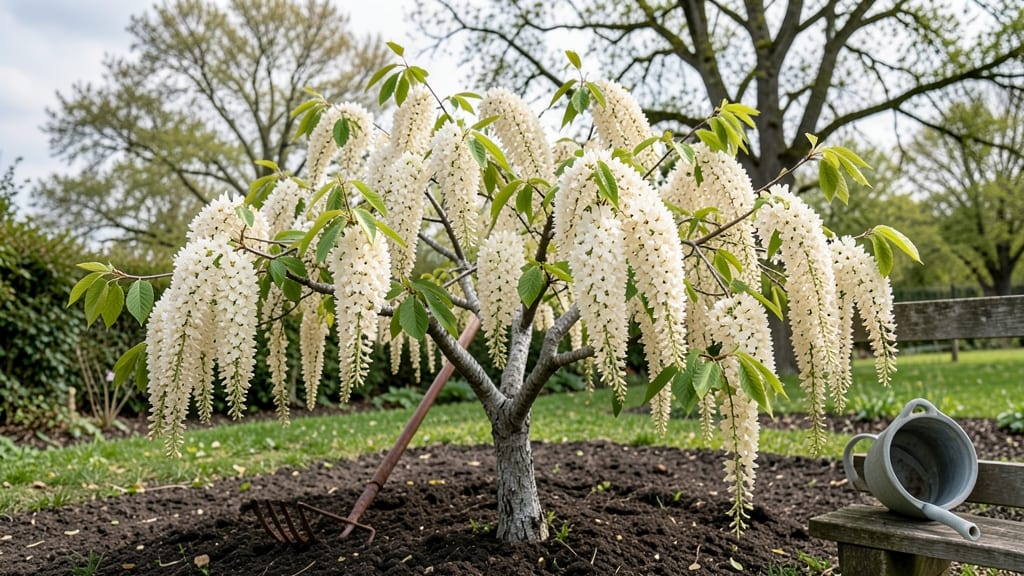
Growing an ice tree plant means four-season interest with almost no fuss. ✨ The real magic happens when you pair the right variety—like Ilex verticillata for winter berries or Aucuba japonica for glossy variegated leaves—with the perfect spot in your yard.
These shrubs thrive in partial shade where others struggle, and they handle drought once established. I’ve seen mine bounce back from summer heatwaves and still produce bright red berries that last through winter. The key? Well-draining soil and a little mulch to keep roots cool.
You’ll love how they fill gaps in the landscape without demanding constant pruning. Just shape them lightly in early spring, and they’ll reward you with year-round color—glossy foliage in summer, fiery berries in winter, and even delicate spring flowers.
Perfect for foundation plantings, woodland gardens, or as a low-maintenance hedge. Here’s how to keep yours looking its best through every season.
Understanding Frosted Foliage Causes
The ice tree plant (also known as Ilex verticillata or winterberry) gets its stunning winter appeal from a mix of natural processes and environmental triggers. While its icy-blue berries and frosted leaves are a gardener’s dream, several key factors influence why this plant transforms so dramatically—especially in colder months.
Let’s break down the science behind its seasonal magic.
The most obvious catalyst for the ice tree plant’s winter wonder is freezing temperatures. Unlike many plants that drop leaves or berries in frost, this species retains them—thanks to a few clever adaptations:
- Cellular Antifreeze Proteins: Ice tree leaves and berries produce antifreeze proteins (similar to those in cold-hardy fish!) that prevent ice crystals from forming inside cells. These proteins bind to ice nuclei, slowing down crystal growth and protecting tissues from damage.
- Dormancy Hormones: As temperatures dip below 25–30°F (-4 to -1°C), the plant shifts into dormancy, reducing metabolic activity. This slows down decay and preserves the vibrant red berries (which turn white or icy-blue in frost).
- Berry Wax Coating: The berries develop a cuticular wax layer that acts like a tiny insulating blanket. When frost forms on this wax, it creates a glazed, crystalline effect—hence the "ice" appearance.
Actionable Tip: For optimal frost development, plant your ice tree in a location with full sun exposure and winter winds (which enhance frost formation). Avoid sheltered spots where temperatures stay too mild.
Water is the secret ingredient behind the plant’s icy look. Here’s how it works:
- High Berry Moisture: Winterberry fruits have a high water content (up to 85% in some varieties). When temperatures hover around 32°F (0°C), moisture on the berry surface freezes into delicate ice crystals.
- Leaf Surface Tension: The leaves of ice trees have a slightly hydrophobic (water-repellent) surface, causing water droplets to bead up. When these droplets freeze, they create a glossy, crystalline coating—like nature’s own frosting.
- Humidity Matters: Dry air can prevent frost from forming evenly, while moderate humidity (40–60%) provides the perfect conditions for ice crystals to develop. Too much humidity (e.g., foggy mornings) may lead to snow accumulation instead of frost.
Pro Tip: If your ice tree isn’t getting frosty enough, try lightly misting the berries on a cold, clear night (below 35°F/2°C). The extra moisture will freeze into a more dramatic ice effect!
The ice tree’s transformation isn’t just about cold—it’s about how the cold arrives. Here’s why:
- Day-Night Temperature Swings: The best frost forms when days are slightly warm (40–50°F/4–10°C) and nights drop below freezing. This creates condensation on the berries and leaves during the day, which then freezes overnight.
- Direct Sunlight Exposure: Berries and leaves facing south or west receive more sunlight, warming slightly during the day. This warmth evaporates surface moisture, which then recondenses and freezes at night—amplifying the ice effect.
- Avoid Overhead Irrigation: Watering the plant late in the day can lead to snow-like ice instead of the delicate frost you want. Instead, water in the morning to let excess moisture evaporate.
✨ Premium Tip: For photogenic ice trees, plant them near a south-facing window or patio where they’ll catch both sunlight and evening chill. A small fan on low can also help circulate cold air around the plant for even frost distribution.
By understanding these natural triggers, you can encourage (or troubleshoot) your ice tree’s winter display—turning your garden into a frosty masterpiece year after year!
Revive & Maintain Your Frost Hardy Shrub
If your ice tree plant (also called Ilex verticillata) is struggling, don’t panic—most issues stem from simple care oversights. Below, we’ve mapped out practical fixes for common problems, along with prevention tips to keep your shrub thriving year-round. 🌿❄️
Cause: Overwatering, nutrient deficiency, or fungal stress. How to Fix It:Step 1: Check the Soil 🔍
- Stick your finger 2 inches into the soil. If it’s soggy, your plant is overwatered. Ice trees prefer moist but well-drained soil—never waterlogged.
- Action: Let the top 1–2 inches dry out between waterings. Use a pot with drainage holes if growing in containers.
Step 2: Boost Nutrients 🌱
- Yellowing leaves often signal nitrogen or iron deficiency. Use a balanced fertilizer (10-10-10) in early spring or a chelated iron supplement for chlorotic (yellow) leaves.
- Action: Apply fertilizer according to package instructions, avoiding heavy doses in winter.
Step 3: Prevent Fungal Issues 🍄
- Fungal diseases (like powdery mildew) thrive in humid, shaded conditions. Prune for airflow and avoid overhead watering.
- Action: Space plants 3–5 feet apart, water at the base, and prune dead branches in early spring.
💡 Prevention Tip:
- Mulch with 2–3 inches of organic mulch (like shredded bark) to retain moisture and regulate soil temperature. Keep mulch away from the trunk to prevent rot.
Cause: Harsh winds, salt spray (near roads), or sudden temperature drops. How to Fix It:
Step 1: Shield from Harsh Elements ❄️🌬️
- Ice trees are cold-hardy (USDA Zones 3–9), but winter sun + wind can scorch leaves. Young plants or those in exposed areas need extra care.
- Action: Wrap the shrub in burlap or use a lightweight frost cloth in late fall. Remove it in early spring once new growth appears.
Step 2: Flush Out Salt Buildup 🚿
- If your plant is near a road or sidewalk, salt accumulation can stress roots.
- Action: Water thoroughly in late fall to leach out salt. Add compost or peat moss to improve soil structure.
Step 3: Avoid Late-Season Pruning ✂️
- Pruning in late fall can expose fresh growth to cold damage.
- Action: Prune in early spring (before buds swell) to encourage healthy regrowth.
💡 Prevention Tip:
- Plant ice trees near a windbreak (like a fence or taller shrubs) to reduce exposure. If you must prune in winter, do so only to remove dead branches.
Cause: Lack of pollination, over-pruning, or improper light. How to Fix It:
Step 1: Ensure Proper Pollination 🐝
- Ice trees are dioecious, meaning male and female plants are separate. Female plants (the ones with berries) need a male nearby for pollination.
- Action: If your plant isn’t fruiting, check if it’s female. Plant a male ice tree within 30 feet for cross-pollination.
Step 2: Prune for Sunlight ☀️
- Shady spots reduce berry production and vibrant foliage.
- Action: Thin out dense branches in early spring to improve airflow and light penetration. Aim for an open, vase-like shape.
Step 3: Feed for Color & Fruit 🍒
- A lack of phosphorus can lead to sparse berries and dull leaves.
- Action: Apply a phosphorus-rich fertilizer (like 5-10-5) in early spring to support flowering and fruiting.
💡 Prevention Tip:
- Deadhead spent berries in late winter to encourage new growth. Avoid heavy pruning in fall, as it can reduce next year’s fruit set.
Cause: Spider mites, scale insects, or bacterial leaf spot. How to Fix It:
Step 1: Identify the Problem 🔬
- Spider mites: Tiny webs on undersides of leaves.
- Scale insects: Bumpy, immobile spots on stems/leaves.
- Bacterial leaf spot: Dark, water-soaked spots with yellow halos.
- Action: Isolate the plant if heavily infested to prevent spread.
Step 2: Treat Naturally or Chemically 💊
- For mites/scale: Spray with neem oil or insecticidal soap. Repeat every 5–7 days for 2–3 weeks.
- For bacterial spot: Prune infected leaves, then apply a copper fungicide (follow label instructions).
- Action: For severe cases, consult a local nursery for targeted treatments.
Step 3: Improve Plant Health 🌱
- Healthy plants resist pests better. Ensure proper watering, sunlight, and fertilization.
- Action: Boost soil health with compost and avoid over-fertilizing with nitrogen (which attracts soft-bodied pests).
💡 Prevention Tip:
- Inspect new plants before bringing them home. Quarantine them for a week to monitor for pests. 🛡️
With these targeted fixes, your ice tree should bounce back with lush foliage, vibrant berries, and minimal fuss. Remember: consistency in watering, pruning, and protection is key to long-term success. Happy gardening! 🌟
Frequently asked questions
What's the best location for an ice tree plant in my yard?
Ice trees thrive in partial shade to full sun, making them perfect for woodland edges or under tall trees. They tolerate USDA Zones 3–9 and handle urban pollution better than many shrubs. For best frost effects, place them where they get morning sun and afternoon shade—this prevents leaf scorch while maximizing winter ice formation.
Why aren't my ice tree berries changing color in winter?
Berries need cold temperatures (below 30°F/-1°C) to trigger color change. If your area stays too mild, they may stay red or drop early. Try planting near a north-facing wall or using a frost cloth in winter. Also ensure you have both male and female plants—female shrubs need male pollinators within 30 feet for berry development.
How often should I water an ice tree plant?
Water deeply once a week during the first growing season, then reduce to every 2–3 weeks once established. These drought-tolerant shrubs prefer moist but well-drained soil. Overwatering causes root rot, while underwatering stresses the plant. Mulch with 2–3 inches of organic material to retain moisture and regulate soil temperature.
Can I grow ice trees in containers?
Yes! Choose a large container (at least 18 inches wide) with drainage holes. Use a well-draining potting mix with 30% perlite or sand. Container-grown ice trees need more frequent watering (every 5–7 days) and benefit from annual repotting in spring. Just remember—container plants may produce fewer berries than those in the ground.
What's the best time to prune my ice tree?
Prune in early spring (March–April) before new growth appears. Remove dead, crossing, or overcrowded branches to maintain an open shape. Avoid heavy pruning in fall—it can reduce next year's berry production. For frost effects, avoid trimming branches that bear berries unless necessary.