Container Gardens
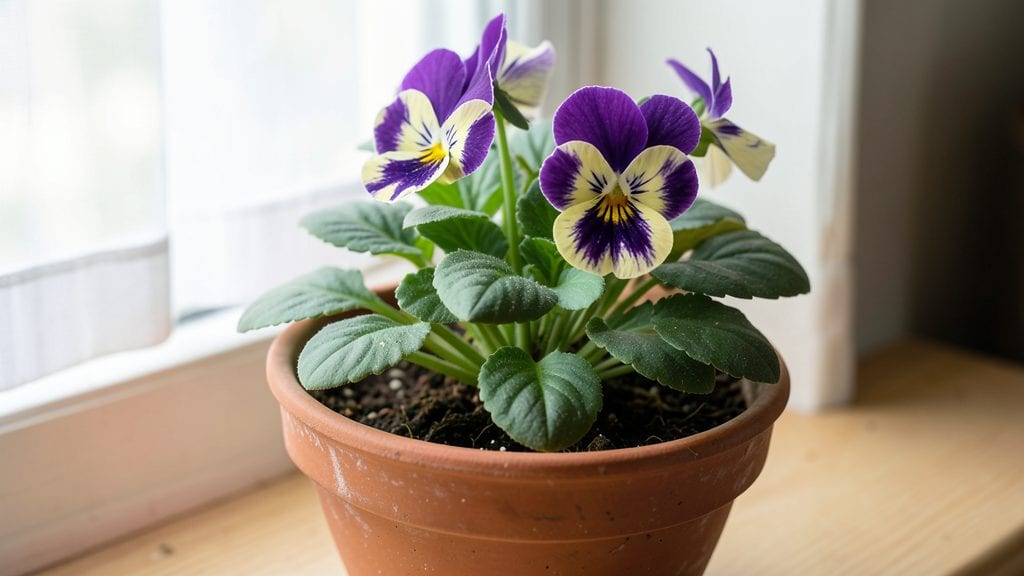
Transform your living space with a pansy indoor plant, a cheerful bloomer that thrives effortlessly even without a garden. 🌿 I’ve kept these cool-weather favorites in my home for years, and they’ve never once complained.
The secret lies in replicating their natural preferences—bright, indirect light, slightly cooler temperatures, and just enough moisture to keep their roots happy without drowning them.
You’ll need a 6-inch pot with drainage, well-draining potting mix, and a sunny windowsill or grow light. Pansies tolerate indoor air better than most flowers, but they do best when humidity stays moderate and temperatures hover between 55–70°F.
Overwatering is their only real enemy—let the top inch of soil dry out between waterings, and you’ll avoid the droopy stems that frustrate beginners.
With the right setup, you’ll enjoy nonstop blooms from late fall through spring, and even summer if you keep them cool. The flowers stay vibrant longer than most cut flowers in a vase, and the plants rebound quickly after deadheading.
My pansies have outlasted every other annual I’ve tried indoors, and they’ve never once looked tired or sad.
Works perfectly for apartments, offices, or sunrooms—just avoid drafty spots near doors or vents. Here’s how to keep them looking their best all year long.
📚 In This Guide
- What you need
- Instructions
- Tips and common mistakes
- Wrapping up and next steps
What you need
- ● Pansy plant(s): 1–3 healthy young plants (choose from varieties like Viola wittrockiana for vibrant blooms).
- ● Well-draining potting mix: 1–2 gallons (look for a blend labeled for container gardens or annuals).
- ● Pot with drainage holes: 6–8 inches in diameter (terracotta or ceramic works best).
- ● Watering can or spray bottle: With a fine rose attachment for gentle hydration.
- ○ Balanced liquid fertilizer (optional but recommended): 10-10-10 or 20-20-20 (diluted to half-strength).
- ● Trowel or small shovel: For transplanting (if repotting).
- ○ Gloves: To protect hands from soil (optional but handy!).
- ● Plant saucer or tray: To catch excess water and prevent messes.
- ● Grow lights (LED or fluorescent): For low-light spots (12–16 hours/day).
- ● Peat moss or perlite: To improve drainage (mix 10–20% into soil if needed).
- ● Pruning shears: For deadheading spent blooms (keep plants thriving!).
Step-by-step instructions for growing pansies indoors
Here's how to keep these cheerful bloomers thriving year-round with simple, foolproof care.
🪴 Step 1: Choose the Right Container and Soil
Select a container with drainage holes—pansies hate soggy roots. A 6-8 inch pot per plant works perfectly, and since we're growing 4 plants, use one 12-inch container with well-draining potting mix. I like to add a layer of perlite to the bottom for extra airflow. Fill the pot 2/3 full with the potting mix, leaving room for roots to spread.
Press the soil down gently but don't compact it too tightly. You want it loose enough for roots to grow easily but firm enough to support the plant. The mix should feel like a damp sponge—not dry or muddy. If it crumbles too easily, add a little more water and mix again.
🌱 Step 2: Plant Your Pansies at the Right Depth
Dig a hole in the center of the pot twice as deep as the root ball of your pansy. Gently remove the plant from its nursery pot, loosen the roots if they're circling, and place it in the hole. Fill the gap with soil, pressing lightly around the base to remove air pockets. The top of the root ball should sit just below the soil line—never bury the stem too deep.
Water immediately after planting to settle the soil and help roots establish. You'll know it's right when moisture reaches the bottom of the pot (water drips out the drainage hole). Let it drain completely before placing it in its final spot. Pansies are tough, but they won't forgive waterlogged roots.
☀️ Step 3: Position for Bright, Indirect Light
Pansies need 4-6 hours of bright, indirect light daily—think east or west-facing windows. A south window works too, but they'll appreciate a sheer curtain on hot afternoons to prevent leaf scorch. If your space is dim, supplement with a grow light for 12-14 hours daily, keeping it 6-12 inches above the plants.
Rotate the pot a quarter turn weekly so all sides get even light. You'll notice leaves leaning toward the light? That's your cue to move it closer or adjust the angle. Healthy pansies have bright green, slightly fuzzy leaves and vibrant blooms that stay open all day.
💧 Step 4: Water and Feed Consistently
Water when the top inch of soil feels dry—stick your finger in to check. Pansies prefer even moisture but won't tolerate soggy soil. Water at the base (not overhead) to keep foliage dry and prevent fungal issues. After watering, empty any excess from the saucer within 15 minutes to avoid root rot.
Feed every 4-6 weeks with a balanced liquid fertilizer (10-10-10 or 20-20-20). Dilute to half-strength and apply when you water. You'll see the difference in bold, healthy blooms and sturdy stems—weak, leggy growth means it's time to fertilize again.
✂️ Step 5: Deadhead and Prune for Longer Blooms
Pinch off spent blooms at the base with your fingers or clean scissors. This encourages new flowers and keeps plants bushy. I do this every 2-3 days during peak bloom—it takes just a minute but extends flowering for weeks longer. Avoid cutting into the stem; just snip above the next set of leaves.
If stems get leggy, trim them back by 1/3 to encourage branching. You'll see fresh growth within 10-14 days, and your pansy will fill out beautifully. Never let it go completely bare—always leave a few leaves to photosynthesize and support new growth.
Tips & tricks for perfect pansy indoor plant care
These simple strategies will help you keep your pansies blooming beautifully all year—no green thumb required!
The Container Factor: I can't stress enough how important that 12-inch container is for your 4 plants. While it might seem like more space than needed, pansies spread out as they grow. If you're short on space, consider using individual 6-inch pots instead—they'll still thrive! Just make sure every container has drainage holes, because soggy roots are pansies' worst enemy.
Light Positioning Insight: Those 4-6 hours of bright, indirect light are non-negotiable, but here's the secret: if your east-facing window gets direct morning sun, it's perfect. South windows need that sheer curtain to prevent leaf burn. Pro tip: If you notice leaves stretching toward the light (called etiolation), it's time to rotate your plants or move them closer to the light source. I check this every time I water!
Watering Wisdom: The top inch test is your best friend, but I've learned this the hard way: pansies actually prefer slightly drier conditions than many houseplants. After watering, always empty that saucer within those 15 minutes—I used to forget, and my pansies developed root rot before I knew what hit them. A moisture meter is a game-changer if you're unsure!
Make-Ahead Strategy: You can prep your pansies for winter by gradually reducing water in late fall, letting the soil dry out slightly between waterings. This mimics their natural dormancy period. In spring, simply increase watering and they'll bounce back with fresh blooms. It's like giving them a built-in vacation!
Pro Tips for Pansy Indoor Plant
- These simple strategies will help you keep your pansies blooming beautifully all year—no green thumb required!
- The Container Factor: I can't stress enough how important that 12-inch container is for your 4 plants.
- Light Positioning Insight: Those 4-6 hours of bright, indirect light are non-negotiable, but here's the secret: if your east-facing window gets direct morning sun, it's perfect.
Frequently asked questions
Got questions about keeping your pansy indoor plant thriving?
Here are some of the most common queries—plus quick, practical answers to help you grow confidently.
How often should I water my indoor pansy plant?
Water your pansies when the top inch of soil feels dry to the touch—usually 1-2 times per week, depending on humidity and light. Overwatering is a common issue, so ensure pots have drainage holes and avoid soggy soil. Pro tip: Use room-temperature water and mist leaves occasionally to boost humidity!
Can I keep pansies indoors year-round, or do they need a break?
Pansies are hardy annuals/biennials and can thrive indoors year-round with proper care, but they may slow growth in winter due to low light. Supplement with a grow light or move them near a sunny window. If leaves yellow or stems stretch, it’s time to adjust their light exposure!
What’s the ideal temperature for indoor pansies?
Keep pansies in 55–75°F (13–24°C) for best results. Avoid drafts (like AC vents or heaters) and sudden temperature swings, which can stress the plant. If your home dips below 40°F (4°C) at night, consider relocating them temporarily or using a small space heater.
Why are my pansy leaves turning yellow?
Yellow leaves usually signal overwatering, underwatering, or nutrient deficiency. Check the soil moisture first—if it’s soggy, let it dry out. If dry, water deeply. For yellowing edges, flush the soil with water to remove excess salts. Bonus: Feed with a balanced liquid fertilizer every 4–6 weeks to prevent deficiencies!
Are there low-maintenance alternatives to pansies for indoor growing?
If pansies feel too fussy, try these easy-care indoor bloomers:
- African Violet – Thrives in bright, indirect light; blooms year-round.
- Calceolaria – Cold-hardy and loves shade; great for cooler homes.
- Impatiens – Fast-growing and shade-tolerant (though less cold-resistant).
Wrapping up and next steps
Growing a pansy indoor plant is a rewarding way to bring vibrant color and cheerful energy into your home with minimal effort! 🌸 Whether you're a seasoned gardener or just starting out, pansies thrive with simple care—bright light, moderate watering, and a cozy spot.
Their hardy nature and stunning blooms make them the perfect low-maintenance companion for any indoor space.
Ready to dive in? Start by gathering your supplies and pick a sunny windowsill or shelf—your new green friend is waiting to brighten up your day! 🌿