Container Gardens
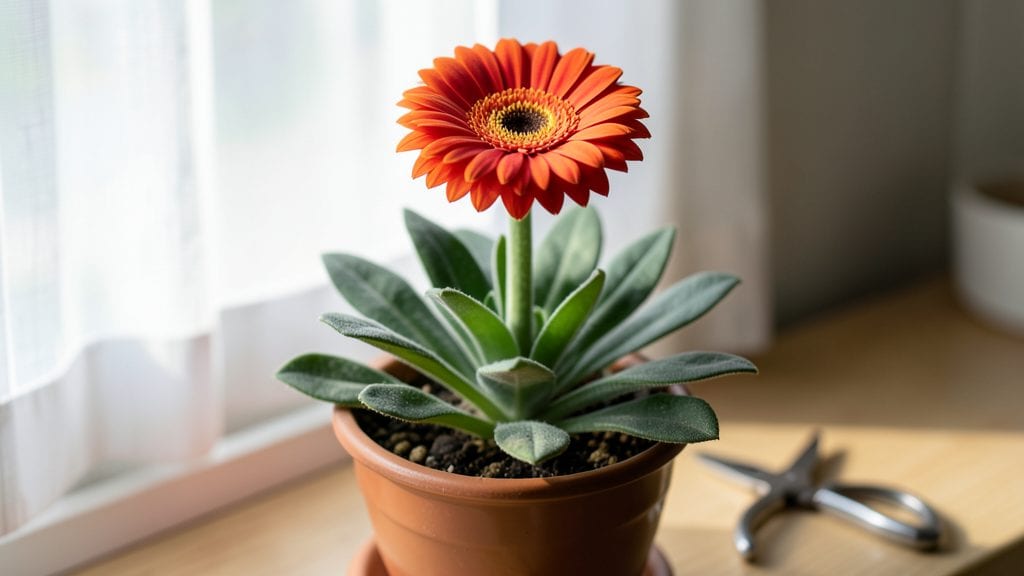
This gerbera indoor plant might seem tricky, but I’ve grown them for years in my dimmer living room—here’s how to keep those vibrant blooms coming. 🌸 The key isn’t chasing perfect light but working with what you’ve got, whether that’s a north-facing window or a grow light setup.
Most people overwater them, which is the fastest way to kill their delicate roots.
You’ll need a pot with drainage holes, a well-draining potting mix (think cactus soil with a little perlite), and a watering can that lets you check soil moisture before adding more.
Gerberas love humidity, so a pebble tray or occasional misting keeps their leaves from drying out. I’ve had mine bloom nonstop for months by sticking to this simple routine.
By adjusting light, water, and humidity, you’ll see buds form within weeks—bright reds, oranges, or yellows that make any room feel sunnier. The trick is consistency: let the top inch of soil dry between waterings, and rotate the pot weekly so stems don’t stretch toward one light source.
Even in low light, these plants thrive if you troubleshoot early—yellow leaves mean overwatering, while sparse blooms signal a need for more light or fertilizer. Once you nail the balance, you’ll have cut flowers indoors all year without stepping outside. Let’s get those blooms going!
📚 In This Guide
- What you need
- Instructions
- Tips and common mistakes
- Wrapping up and next steps
What you need
- ● Gerbera plant: 1 healthy Gerbera jamesonii (choose a compact variety like 'Terry' or 'Mini Star' for indoor spaces).
- ● Pot: 1 container with drainage holes (6–8 inches in diameter for mature plants; 4–6 inches for seedlings). Terracotta or ceramic works best.
- ● Well-draining potting mix: 1 bag (2–3 quarts) of light, airy mix—combine cactus/succulent soil (60%) with perlite or orchid bark (30%) and a touch of worm castings (10%) for nutrients.
- ● Drainage layer: Small pebbles, gravel, or broken pottery (½ inch thick) to prevent root rot.
- ● Trowel or small shovel: For planting and repotting.
- ● Spray bottle: 8–16 oz (for misting leaves and humidity control).
- ● Pruning shears: Sharp, sterilized pair (for trimming dead blooms or leggy stems).
- ○ pH testing kit (optional): To check soil acidity (ideal range: 5.5–6.5).
- ● Bright, indirect light: A north- or east-facing window (or a grow light for low-light setups).
- ● Warmth: Keep temps between 60–75°F (15–24°C)—avoid drafts or cold windows.
- ● Patience: Gerberas thrive with consistent care; blooms may take 6–8 weeks to appear indoors!
Step-by-Step instructions for growing gerbera dahlias indoors
Here's how to coax vibrant blooms from gerberas in your home—no greenhouse needed.
🪴 Step 1: Choose the Right Pot and Soil Mix
Gerberas need pots with drainage holes to prevent soggy roots. I use a 6-inch diameter container for each plant, since their roots spread wider than they grow tall. Fill the bottom 2 inches with orchid bark mix—this creates air pockets that prevent root rot, which gerberas hate.
Next, add 3 gallons of premium potting mix enriched with 1 cup perlite per pot. Mix these thoroughly until the perlite is evenly distributed. The reason for perlite? It keeps the soil loose so water drains quickly but holds enough moisture for gerberas' shallow roots. Press down lightly—just enough to remove air pockets but not compact the mix.
🌱 Step 2: Plant and Water for Initial Establishment
Remove the gerbera from its nursery pot and gently loosen the roots if they're circling. Place the plant in the center of your prepared pot, ensuring the top of the root ball sits ½ inch below the rim. This prevents water from spilling over the edges during watering.
Water immediately after planting until water runs freely from the drainage holes. This step is critical—gerberas wilt dramatically when thirsty. Let the plant drain completely for 10 minutes, then empty any excess water from the saucer. Overwatering now will rot the roots before they establish.
☀️ Step 3: Position for Optimal Light Without Direct Sun
Gerberas thrive in bright, indirect light—think east-facing windows or 6 feet from a south window. Direct afternoon sun scorches their delicate petals, turning them brown and crispy. If your space only has low light, supplement with a grow light kept 12-18 inches above the plant for 12 hours daily.
Rotate the pot ¼ turn weekly so the plant grows evenly toward the light. You'll notice leaves tilting toward the window? That's your cue to move it closer. Gerberas in low light produce fewer blooms, but with proper light, you'll get continuous flowers for months.
💧 Step 4: Water and Feed for Continuous Blooms
Water when the top 1 inch of soil feels dry. Stick your finger in—if it comes out clean, it's time. Gerberas need 1 cup of water every 5-7 days, but adjust based on your home's humidity. Overwatering is the #1 killer, so always check before watering.
Feed every 4 weeks with ½ strength balanced liquid fertilizer (10-10-10). The key here is "balanced"—too much nitrogen makes lush leaves but no flowers. After fertilizing, water again to rinse excess salts from the soil. You'll see new buds form within 2-3 weeks of consistent feeding.
✂️ Step 5: Deadhead and Prune for Long-Lasting Blooms
Snip spent blooms ½ inch above the next set of leaves using clean scissors. This encourages the plant to produce more flowers instead of wasting energy on seed development. I do this 2-3 times weekly during peak bloom season—your gerbera will reward you with nonstop color.
If stems get leggy, trim them back by ⅓ to encourage bushier growth. Never cut into old wood (brown stems)—gerberas won't regrow from there. Prune in the morning so wounds have all day to heal. You'll notice fresh, vibrant leaves emerging within 7-10 days of pruning.
Tips & tricks for perfect gerbera indoor plant care
These simple strategies will help you keep your gerbera blooming beautifully indoors—no gardening experience required.
Soil Mix Secrets: In Step 1, don't skip the orchid bark mix layer—it's the secret to preventing root rot. I've found that adding ½ cup of coarse sand to the potting mix mix creates even better drainage without sacrificing moisture retention. The perlite should look evenly distributed like sprinkles in cookie dough, not clumped together.
Watering Wisdom: The 10-minute draining time in Step 2 is crucial—don't rush it! I've ruined plants by not letting them drain properly, which leads to soggy roots. After those 10 minutes, always empty the saucer completely. For extra insurance, place your pot on a bed of pebbles to keep roots from sitting in water.
Light Positioning: When placing your gerbera in Step 3, remember that "bright indirect light" means no direct sun at any time. I've seen gerbera leaves get sunburned within hours of direct exposure. If your south window gets intense afternoon sun, move the plant back 3 feet from the glass—you'll notice the difference immediately in leaf color.
Pruning Precision: In Step 5, when you're deadheading, use clean scissors to make sharp cuts at that ½ inch above the leaves. I've learned the hard way that dull scissors crush stems, making plants more susceptible to disease. For leggy stems, trim back to just above a set of healthy leaves—you'll see new growth within those 7-10 days, but only if you're cutting into fresh green stems, not woody brown ones.
Pro Tips for Gerbera Indoor Plant
- These simple strategies will help you keep your gerbera blooming beautifully indoors—no gardening experience required.
- Soil Mix Secrets: In Step 1, don't skip the orchid bark mix layer—it's the secret to preventing root rot.
- Watering Wisdom: The 10-minute draining time in Step 2 is crucial—don't rush it!
Frequently asked questions
Got questions about keeping your gerbera daisy thriving indoors?
Here are answers to the most common concerns—so you can enjoy those vibrant blooms without the guesswork!
Can gerbera daisies survive in low-light conditions?
Gerberas prefer bright, indirect light (like an east-facing window) but can tolerate moderate indoor lighting. In dim spaces, expect fewer blooms—supplement with a grow light 6–8 inches above the plant for 12–14 hours daily. Pro tip: Rotate the pot weekly for even growth!
How often should I water my indoor gerbera?
Water when the top 1–2 inches of soil feel dry (about once a week, adjusting for humidity). Overwatering causes root rot—ensure pots have drainage holes! Warning: Yellow leaves often signal soggy soil, not thirst.
What’s the ideal temperature range for indoor gerberas?
Keep them cozy between 60–75°F (15–24°C). Drafts (AC vents, open windows) and temps below 50°F (10°C) shock the plant, causing bud drop. A sunny windowsill away from appliances is perfect!
Are there low-maintenance alternatives to gerberas?
Yes! Try these easy-care bloomers:
- African violets: Thrive in low light, bloom year-round.
- Peperomia: Drought-tolerant with colorful foliage.
- Kalanchoe: Needs minimal water, loves bright spots.
Why are my gerbera leaves turning brown or yellow?
| Issue | Likely Cause | Fix |
|---|---|---|
| Brown edges | Low humidity or fluoride in tap water | Mist leaves or use distilled water; add a pebble tray. |
| Yellow leaves | Overwatering or poor drainage | Let soil dry between waterings; repot if roots are mushy. |
| Brown spots | Fungal disease (e.g., powdery mildew) | Prune affected leaves; improve airflow. |
Prevent pests:
Wipe leaves with neem oil monthly.
Wrapping up and next steps
Bringing a gerbera indoor plant into your home isn’t just about adding color—it’s about embracing a low-maintenance, cheerful companion that thrives even in cozier lighting. With the right care, you’ll enjoy vibrant blooms year-round, proving that bright beauty doesn’t always need bright sun. 🌸
Ready to transform your space? Start by picking your favorite variety, gathering your supplies, and following the simple steps above. Your happy, blooming gerbera awaits—go ahead and give it a try!