
Propagation
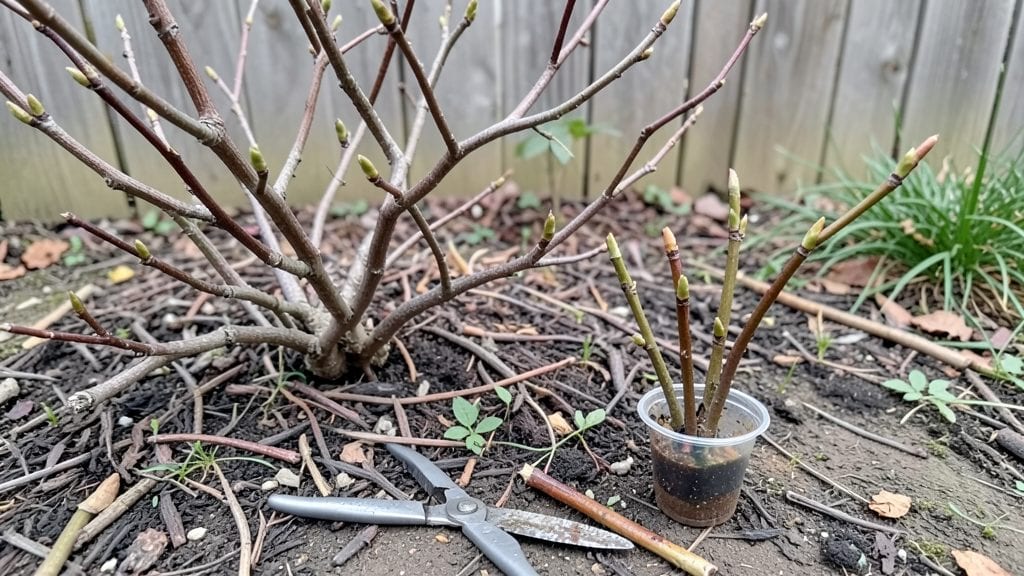
Growing forsythia from plant cuttings lets you multiply your favorite shrubs for free—here’s how I’ve rooted dozens without losing a single cutting. ✨ The key is timing: take 4- to 6-inch softwood stems right after flowering, when new growth is still tender but fully hardened.
Most gardeners skip this step because they think it’s tricky, but with the right technique, you’ll see roots in just 3-4 weeks.
You’ll need sharp pruners, rooting hormone (optional but helpful), clean jars or containers, and a bright spot with indirect light. I use 3-inch glass jars filled with water to monitor root growth daily—it’s satisfying to watch those tiny white roots appear.
The real secret? Keeping the cutting hydrated but not soggy, and changing the water every few days to prevent bacteria.
Once roots reach about an inch long, transplant into well-draining potting mix and keep it shaded for a week. Your new forsythia will establish quickly, and by next spring, you’ll have a bushy new plant ready to take its place in the garden.
The best part? These cuttings often bloom faster than nursery-grown shrubs because they’re already genetically proven performers.
This method works best in zones 5-9, but even in colder climates, you can root cuttings indoors over winter. Fair warning: overwatering is the #1 killer, so check moisture levels before you water again.
With this approach, you’ll end up with multiple forsythia shrubs for the price of one—and that golden spring display will make all your gardening friends jealous.
📚 In This Guide
- What you need
- Instructions
- Tips and common mistakes
- Wrapping up and next steps
What you need
- ● Mature forsythia cuttings: 4–6 healthy, non-flowering greenwood cuttings (6–8 inches long, pencil-thick)
- ● Taken from new growth in late spring or early summer
- ○ Rooting hormone: (1 small bottle) – Optional but recommended (e.g., Clonex or Dip ‘N Grow)
- ● Clean, sharp pruners or shears: (1 pair) – Sterilized with rubbing alcohol
- ● Glass jar or clear container: (1) – For water propagation (8–12 oz, like a mason jar)
- ● Room-temperature water: (enough to submerge 2–3 inches of the cutting)
- ● Small pots or trays: (2–3) – 4–6 inches deep, with drainage holes (for transplanting later)
- ● Well-draining potting mix: (1 bag) – Mix of perlite, peat moss, and sand (50/50 perlite/peat)
- ● Plastic wrap or humidity dome: (1 sheet) – To retain moisture around cuttings
- ○ Spray bottle: (1) – For misting (optional but helpful for humidity)
- ● Bright, indirect light: – Place cuttings near a sunny window (no direct midday sun)
- ● Warmth (65–75°F): – Ideal temperature for rooting (use a heat mat if needed)
- ● Patience: – Roots may take 4–8 weeks to form!
- ● Clean workspace: – Wipe tools with rubbing alcohol to prevent disease
Step-by-Step instructions for propagating forsythia from cuttings
Here's the straightforward method I use to grow new forsythia plants from cuttings—no fancy tools or guesswork.
🌱 Step 1: Take Healthy Cuttings at the Right Time
Grab your pruners and head outside in late spring or early summer when forsythia is actively growing but hasn't yet flowered. Look for 4-6 inch long stems that are pencil-thick and free of flowers or buds. The best cuttings come from the current year's growth—these are the ones with soft green bark.
Make your cut just below a leaf node (that little bump where leaves attach) at a 45-degree angle. This angled cut gives you more surface area for roots to form. Strip off all but the top 2-3 leaves—these will photosynthesize and feed the new roots. Use the remaining leaves to identify the top of the cutting when you place it in water.
💧 Step 2: Root the Cuttings in Water
Fill a clean glass or jar with room-temperature water and place your cuttings in it so only the bottom 2 inches are submerged. I like to use a jar with a narrow neck so the cuttings don't topple over. Change the water every 3-4 days to prevent bacteria from building up—this keeps your cuttings fresh and encourages root growth.
Set the jar in a spot with bright, indirect light—a windowsill that gets morning sun works perfectly. Avoid direct sunlight, which can overheat the water and stress the cuttings. You'll see tiny white roots emerging from the base in about 4-6 weeks. Once roots reach 2-3 inches long, your cuttings are ready for planting.
🪴 Step 3: Prepare and Plant the Rooted Cuttings
Mix half potting soil with half perlite to create a well-draining medium—forsythia roots need air to breathe, and soggy soil will rot them. Fill small pots or seed trays with this mix and make a hole slightly larger than the root ball of your cutting. Gently remove the cutting from the water and plant it so the roots are covered but the top leaves stay above soil level.
Water lightly until the soil feels evenly moist but not soggy. Place the pots in a spot with partial shade for the first week to help them adjust. After that, gradually introduce them to more sunlight. Keep the soil consistently moist but never waterlogged—forsythia cuttings are delicate at this stage.
☀️ Step 4: Care for New Plants Through Establishment
Once your cuttings have settled in, fertilize lightly with a balanced, water-soluble fertilizer diluted to half strength every 4-6 weeks during the growing season. Forsythia doesn't need much, but a little extra nutrition helps them grow stronger. Water when the top inch of soil feels dry, but avoid soaking the leaves to prevent fungal diseases.
In about 12 months, your cuttings will have grown into sturdy young plants ready for transplanting into the ground. Choose a spot with full sun to partial shade and well-draining soil. Forsythia is tough once established, but young plants appreciate a little extra care as they settle into their new home.
Tips & tricks for perfect forsythia propagation
Real talk: Growing forsythia from cuttings is all about patience and attention to detail—these tricks will help you avoid the most common pitfalls.
Timing is Everything: In Step 1, that late spring/early summer window is critical. I've tried taking cuttings in fall, and they just won't root properly. Look for those soft green stems with no flowers—they're packed with growth hormones that help root formation. Confession: I skipped this timing once and wasted three cuttings that never developed roots.
The Angle Matters: When making your 45-degree cut in Step 1, use a sharp pruner and make it just below a leaf node. This angled cut creates more surface area for roots to emerge. I learned this the hard way after trying straight cuts—roots took twice as long to appear. The leaf node is where root hormones are most concentrated, so don't skip this step!
Water Quality Tip: In Step 2, use filtered or rainwater if possible—tap water can contain chlorine that inhibits root growth. I started using a simple carbon filter on my kitchen faucet for propagation water, and it made a noticeable difference in root development speed. Change that water every 3-4 days religiously to prevent bacterial buildup that can rot your cuttings.
Lighting Strategy: That bright, indirect light in Step 2 is non-negotiable. I place my jars on an east-facing windowsill where they get morning sun but avoid the harsh afternoon rays. Too much direct light can cook the cuttings, while too little means they'll grow leggy and weak. You'll know you've got it right when you see those tiny white roots in about 4-6 weeks—it's like watching magic happen!
Pro Tips for Grow Forsythia From Plant Cuttings
- Real talk: Growing forsythia from cuttings is all about patience and attention to detail—these tricks will help you avoid the most common pitfalls.
- Timing is Everything: In Step 1, that late spring/early summer window is critical.
- The Angle Matters: When making your 45-degree cut in Step 1, use a sharp pruner and make it just below a leaf node.
Frequently asked questions
Got questions about growing forsythia from cuttings? You’re not alone! Here are some of the most common queries—and their answers—to help you propagate like a pro.
When is the best time to take forsythia cuttings?
The ideal window is late summer to early fall (August–September), when new growth has hardened off but before the first frost. This gives roots time to establish before winter. Avoid spring cuttings—they’re too tender and may rot before rooting.
Can I root forsythia cuttings in winter?
Not outdoors! Forsythia cuttings need warmth (60–70°F) to root. If you must propagate in winter, use a heat mat or grow lights under a humidity dome. Store cuttings in damp perlite in a cool, dark place until spring, then transfer to water or soil when temps rise.
How long should I keep forsythia cuttings in water before planting?
Aim for 3–4 weeks in water. You’ll see roots 1–2 inches long before transplanting to soil. Rushing it risks weak roots; waiting too long may cause rot. Change the water weekly to prevent bacteria buildup.
What if my forsythia cuttings aren’t rooting?
Check these fixes:
- Low humidity: Cover cuttings with a plastic bag or use a humidity dome.
- Poor lighting: Move to bright, indirect light (no direct sun).
- Rot or mold: Trim black/mushy stems and replant in fresh water or sterile soil.
- Wrong cutting: Ensure you’re using semi-hardwood stems (pencil-thick, green-brown).
Can I grow forsythia from seed instead of cuttings?
Yes, but it’s much slower (3–5 years for flowering) and less reliable. Cuttings preserve the parent plant’s traits (color, size) instantly. Save seeds for experimenting with rare varieties—just know they may not match the parent’s vibrancy!
Wrapping up and next steps
Growing forsythia from cuttings is a rewarding way to expand your garden with minimal effort—just remember to root in water first for the best success! With patience, the right timing, and a little care, you’ll soon enjoy vibrant yellow blooms and lush foliage.
Once your cuttings take root, plant them in well-draining soil and watch your new forsythia thrive.
Ready to turn your green thumb into a golden bloom specialist? 🌱 Try this method with a few cuttings this season and share your progress with fellow gardeners. Happy propagating!