Propagation
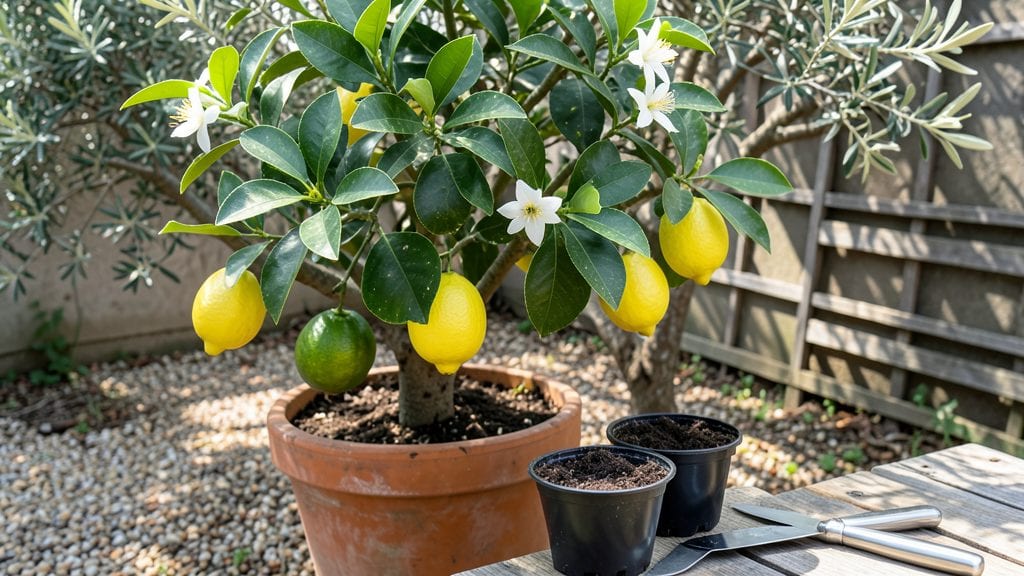
Mastering lemon plant propagation from cuttings is the fastest way to grow a thriving tree in your kitchen or garden—here’s how I rooted Meyer lemon cuttings in water within just two weeks. choosing the right stem and keeping conditions just right.
The best time to propagate is late spring or early summer when the plant is actively growing. You’ll need sharp scissors, rooting hormone (optional but helpful), and either a jar of water or well-draining soil mix.
For water propagation, simply place the cuttings in clean water and change it every few days—roots appear quickly if the stem stays moist.
Once rooted, transplant to soil and watch your new lemon plant thrive with glossy leaves and the promise of future fruit. The key is patience—it takes 6-12 months for a young cutting to mature enough to bear lemons, but the payoff is worth it when you taste homegrown citrus.
This method works indoors or outdoors, though indoor plants may need extra light. Whether you’re growing in a pot or garden bed, the same principles apply—just adjust for your climate. Let’s get those cuttings growing!
📚 In This Guide
- What you need
- Instructions
- Tips and common mistakes
- Wrapping up and next steps
What you need
- ● Healthy lemon plant cuttings: 4–6-inch-long, semi-hardwood stems (about pencil-thick) with 2–3 leaf nodes. Use clean, sharp pruning shears to avoid damaging the plant.
- ○ Rooting hormone (optional but recommended): A small jar (1 oz) of powder or gel to boost root growth and reduce rot risk.
- ● Clean containers: For water propagation: A glass jar (12–16 oz) or small vase with water.
- ● For soil propagation: 4–6-inch pots with drainage holes or a seed tray with well-draining potting mix.
- ● Well-draining potting mix: A blend of perlite, vermiculite, and peat moss (or a cactus/succulent mix) to prevent soggy roots.
- ● Water: Room-temperature, filtered or distilled water (chlorine-free) for water propagation.
- ○ Plastic bag or humidity dome (optional): A clear plastic bag or propagator lid to create a humid environment and speed up rooting.
- ● Spray bottle: For misting cuttings and maintaining humidity.
- ● Pruning shears or knife: Sterilized with rubbing alcohol to prevent bacterial contamination.
- ○ Twine or rubber bands (optional): To secure the cutting in place if needed.
- ● Warm, bright location: 70–80°F (21–27°C) with indirect sunlight. Avoid direct sun, which can scorch cuttings.
- ● Patience: Root growth takes 2–8 weeks depending on conditions. Stay consistent!
- ● Clean workspace: Disinfect tools and surfaces to minimize disease risk.
Step-by-Step instructions for lemon plant propagation
Here's the fastest way to grow roots on lemon cuttings—whether in water or soil—with minimal fuss.
Select and Prepare Healthy Cuttings
Choose 4- to 6-inch-long stems from last year's growth with at least 3-4 leaf nodes (those little bumps where leaves attach). Use clean, sharp scissors to cut just below a node at a 45-degree angle—this gives roots more surface area to grow. Remove any flowers or buds, since they drain energy from root development.
Let the cuttings sit uncovered for 1-2 hours to form a callus at the base. This prevents rot when you place them in water or soil. I like to work near an open window while they dry—it’s a good time to check for pests on the remaining plant.
Root in Water (Fastest Method)
Fill a clean glass with room-temperature water (about 2-3 inches deep) and place the cuttings so only the bottom 1-2 inches are submerged. Use a rubber band or twist tie to keep stems together—this makes them easier to handle and speeds up root growth. Change the water every 3-4 days to prevent bacteria buildup.
Set the glass in bright, indirect light (no harsh sun). You’ll see roots in 2-4 weeks—sometimes faster if your home stays warm. Once roots reach 1-2 inches long, they’re ready to transplant. I know it’s tempting to rush, but wait until roots are sturdy to avoid breaking them.
Root Directly in Soil (More Stable Growth)
Fill a small pot with well-draining potting mix (avoid garden soil—it’s too dense). Dip the cuttings’ bases in rooting hormone (optional but helpful) and insert them 1-2 inches deep, spacing them 2 inches apart. Press the soil gently around the stems to remove air pockets.
Water lightly until moisture seeps out the drainage hole, then place the pot in a humid, warm spot (like a greenhouse or covered tray). Keep the soil evenly moist—not soggy—by checking the top inch daily. Roots typically form in 3-6 weeks, but soil-grown cuttings often handle transplanting better than water-rooted ones.
Transition to Permanent Care
For water-rooted cuttings, transplant carefully by sliding the glass down as you hold the stem—this protects fragile roots. For soil-rooted cuttings, wait until you see new leaf growth before moving them to a larger pot. Use a 6-inch container with fresh potting mix and place the lemon in bright, indirect light for a week to adjust.
Water when the top inch of soil feels dry, and fertilize lightly with half-strength citrus fertilizer after 4-6 weeks. Avoid overwatering—lemon plants hate wet feet. You’ll know it’s thriving when it produces small leaves and buds within 3-4 months.
Tips & tricks for perfect lemon plant propagation
Here's what I've learned to make lemon plant propagation faster and more reliable—so you don't waste time on weak roots or failed cuttings.
Timing Tip: That 1-2 hour callusing step in Step 1 is crucial for preventing rot. I've ruined too many cuttings by skipping this—don't make my mistake! Place them on a paper towel to absorb excess moisture while they dry. If you're short on time, 1 hour is the absolute minimum, but 2 hours gives the best results.
Water Method Secret: When rooting in water (Step 2), I bundle the cuttings with a twist tie to create a stable unit. This prevents them from floating and makes water changes easier. Also, use a glass with a narrow neck—it reduces evaporation and keeps the water level consistent between changes every 3-4 days.
Soil Method Advantage: For soil propagation (Step 3), I always use a mix of half potting soil and half perlite. This improves drainage and mimics the airy conditions roots need to develop. The 2-inch spacing between cuttings gives them room to grow without competing for nutrients, which speeds up root formation.
Transplanting Hack: When moving water-rooted cuttings to soil (Step 4), I dip the roots in a bit of rooting hormone before planting. This gives them a confidence boost and helps compensate for any root damage during transplanting. I also water the soil thoroughly before planting to eliminate air pockets around the roots.
Pro Tips for Lemon Plant Propagation
- Here's what I've learned to make lemon plant propagation faster and more reliable—so you don't waste time on weak roots or failed cuttings.
- Timing Tip: That 1-2 hour callusing step in Step 1 is crucial for preventing rot.
- Water Method Secret: When rooting in water (Step 2), I bundle the cuttings with a twist tie to create a stable unit.
Frequently asked questions
Got questions about growing your own lemon tree from cuttings? You’re not alone! Here are some of the most common concerns—and their straightforward answers—to help you propagate like a pro.
How long does it take for lemon plant cuttings to root in water?
Patience is key! Most lemon cuttings develop roots in 2–4 weeks when kept in water. Look for tiny white or brown roots sprouting from the stem nodes. If nothing happens after 6 weeks, try adjusting the water (use filtered or rainwater) or check for rot—trim any mushy parts and replant.
Can I propagate a lemon plant from a store-bought lemon?
Yes, but success depends on the variety. Meyer lemons (sweet, seedless) root best from seeds or cuttings. For seed-grown trees, soak seeds in water for 24 hours before planting in soil. If using a cutting from a store-bought lemon, ensure it’s disease-free and has at least 3–4 nodes for better rooting chances.
Is it better to root lemon cuttings in water or soil?
Both work, but water is faster and lets you monitor root growth. Soil propagation (like in perlite or vermiculite) mimics natural conditions and reduces transplant shock. For beginners, water is easier—just move the cutting to soil once roots hit 1–2 inches. Pro tip: Use a rooting hormone to boost success in soil.
Why are my lemon cuttings rotting in water?
Overwatering or bacterial/fungal infections cause rot. Signs: black, mushy stems or foul-smelling water. Fix it by:
- Trimming the rotted part (just above a healthy node).
- Rinsing the cutting with hydrogen peroxide (1 part to 10 parts water).
- Changing the water and adding a few drops of cinnamon or aspirin (natural antifungals).
What’s the best temperature for lemon plant propagation?
Lemon cuttings thrive in 65–75°F (18–24°C). Avoid drafts or extreme heat/cold. If your home dips below 60°F (15°C), use a heat mat or propagate near a sunny window. Humidity helps too—cover the cutting with a plastic bag (remove daily to prevent mold).
Pro Tip:
Label your cuttings! Lemon trees can take 3–5 years to bear fruit, so track varieties (Meyer vs. Eureka) and propagation dates. Use toothpicks and masking tape for a DIY solution.
Wrapping up and next steps
Growing your own lemon plant from propagation is a rewarding journey that brings fresh citrus to your doorstep—literally! 🌱 Whether you choose water or soil, the key is patience, consistency, and a little green thumb love.
With the right techniques, you’ll soon be enjoying fragrant leaves, delicate blooms, and maybe even homegrown lemons in just a few years.
Now that you’re armed with the know-how, why not start your first cutting today? Grab your supplies, follow the steps, and watch your lemon plant thrive. Happy propagating—your future citrus harvest awaits! 🍋✨