
Planting
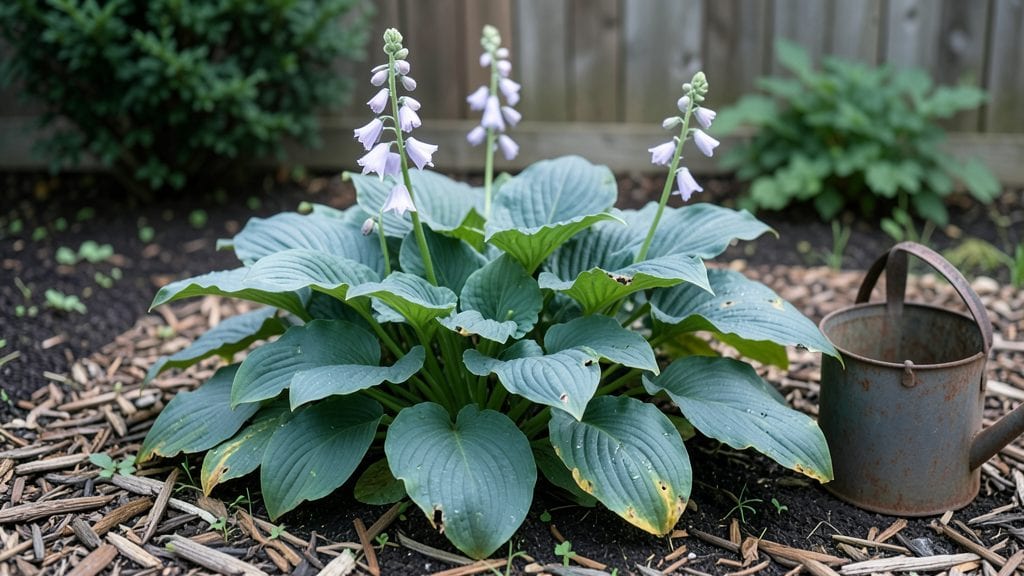
Hostas thrive when their roots stay cool and moist, which is why the right soil mix is non-negotiable. 💫 Think of their ideal environment as a balance between sponge-like moisture retention and proper airflow—too much clay compactness suffocates roots, while sandy soil drains too quickly.
I always add a 2-inch layer of composted leaves or shredded bark mulch in early spring to lock in moisture while keeping weeds at bay. This simple step can mean the difference between vibrant foliage and struggling plants during summer heatwaves.
What many gardeners overlook is how shade preferences change with maturity—young hostas need more protection from afternoon sun, while established plants can handle slightly brighter conditions.
The key is observing leaf color: if edges turn brown, it's a cry for more shade; if leaves look pale or limp, they're begging for indirect light. This plant truly rewards attentive care with its dramatic foliage and resilience.
💡 In This Article
- Hosta Soil Composition and pH Requirements
- Seasonal Hosta Care Schedule for Longevity
Hosta soil composition and pH requirements
The perfect growing medium for hostas combines 60% organic matter with 40% loamy sand to create a balance between moisture retention and aeration. Organic components like compost or aged manure provide essential nutrients while improving soil structure, while the loamy base prevents compaction that would suffocate roots.
Think of it like a well-ventilated sponge—it holds water without drowning the plant's delicate root system. The ideal texture should resemble crumbly cake batter when moist, with visible worm channels indicating healthy microbial activity.
Hostas prefer a pH range of 6.5 to 7.5, which is slightly acidic to neutral. At this pH, essential nutrients like nitrogen, phosphorus, and potassium become most available to the plant's roots.
You can test your soil with a simple home kit or send a sample to a local extension office for professional analysis. If your soil tests below 6.0, adding crushed limestone will gradually raise the pH, while sulfur can lower overly alkaline soils above 7.8.
The right pH isn't just about numbers—it directly affects chlorophyll production, which determines those stunning variegated patterns hostas are famous for.
For drainage improvement, incorporate 10-20% perlite or coarse sand into your planting mix. These amendments create air pockets that prevent waterlogging, which can lead to root rot—a common killer of hostas.
I've seen dramatic results when amending heavy clay soils with 3 inches of composted pine bark fines mixed into the top 12 inches of soil. This creates a looser structure while adding beneficial fungi that help roots absorb water more efficiently.
The key is to avoid pure sand mixes, which drain too quickly and force hostas to work harder to find moisture.
Clay-heavy soils pose the biggest challenge because they compact when wet and bake hard when dry, creating stress for hosta roots. If your garden has this type of soil, create raised beds or plant hostas in containers where you can control the mix.
The roots need that constant 60-70% moisture level without becoming waterlogged—think of a well-wrung-out sponge. In containers, use a mix of 50% peat moss, 30% compost, and 20% perlite to maintain this balance while providing room for root expansion.
One visual cue to watch for is leaf color changes. Hostas with yellowing leaves often indicate either too much moisture (root rot) or insufficient nutrients in poorly amended soil.
The edges of leaves turning brown typically signal either too much sun exposure or soil that's either too dry or too compacted. When you see these signs, it's time to check your soil mix and adjust either the organic content or drainage components.
Remember, hostas store nutrients in their leaves, so maintaining proper soil conditions directly impacts next year's foliage quality.
For established plants, top-dress annually with 1-2 inches of compost in early spring to replenish organic matter. This practice mimics natural leaf litter decomposition and provides a slow-release nutrient source. The compost should be fully decomposed to avoid competing with hostas for nitrogen.
I've found that adding a handful of worm castings to the planting hole at installation time gives plants an immediate nutrient boost while improving soil structure around the roots.