
Companion Plants
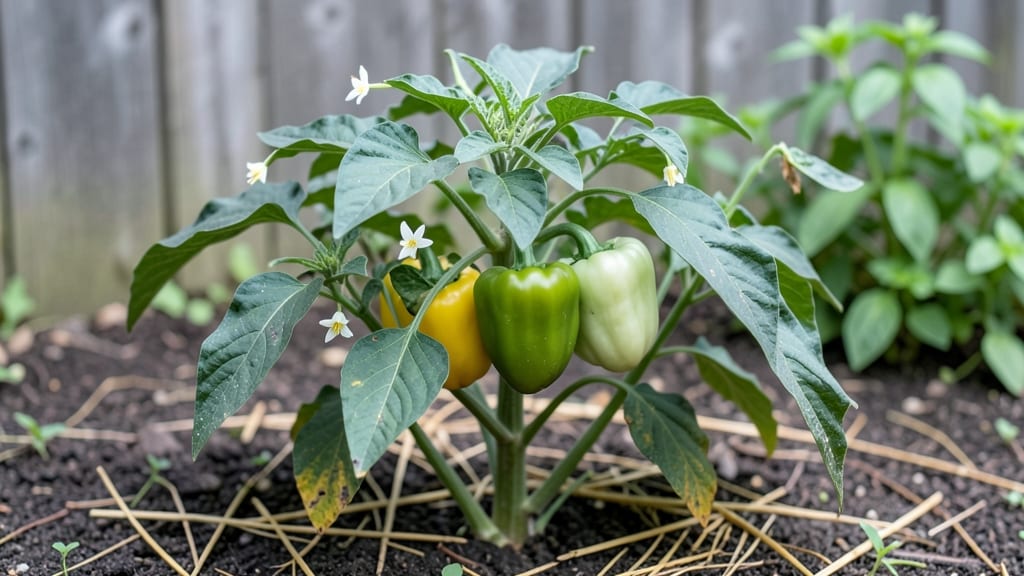
Healthy pepper plants start with the right neighbors in your garden. 🌱 I learned this the hard way when my jalapeños produced tiny, bitter peppers surrounded by wilting basil—until I swapped in marigolds and onions. The difference was night and day.
Peppers thrive when paired with plants that deter pests and improve flavor, like basil, onions, or marigolds. Avoid planting them near beans or brassicas, which compete for nutrients. A sunny spot with well-draining soil and consistent moisture sets the stage for robust growth—no fancy equipment needed.
With the right companions, your plants will stay lush and productive, yielding vibrant peppers all season. The secret isn’t just what you plant with them, but what you avoid—like overwatering or crowded roots. You’ll harvest plump, flavorful peppers that put store-bought to shame.
This works for bell peppers, jalapeños, or any variety—just adjust spacing based on plant size. Even small gardens can fit this system. Let’s get those peppers growing strong!
📚 In This Guide
- What you need
- Instructions
- Tips and common mistakes
- Wrapping up and next steps
What you need
- ● Pepper plants: 3–5 healthy seedlings or seeds (varieties like Bell, Jalapeño, or Cayenne work well).
- ● Companion plants: Basil (1–2 plants per pepper plant)
- ● Marigolds (3–5 plants to deter pests)
- ● Onions or garlic (1–2 plants per pepper plant)
- ○ Spinach or lettuce (optional but great for shade)
- ● Well-draining soil: Mix of potting soil + compost (ratio: 2 parts soil, 1 part compost).
- ● Containers or garden bed: Containers: 5–10 gallon pots (1 per pepper plant)
- ● Garden bed: At least 12–18 inches of space between plants for airflow.
- ● Fertilizer: Balanced 10-10-10 NPK or organic options like fish emulsion or compost tea.
- ● Watering can or hose: With a gentle spray nozzle for even moisture.
- ● Gloves & trowel: For planting and soil prep.
- ● Pruners or scissors: To trim companion plants as needed.
- ○ Mulch (optional): Straw or shredded leaves to retain moisture.
- ● Pest control: Neem oil or insecticidal soap (for emergencies).
Step-by-Step instructions for growing healthy pepper plants
Here's how to cultivate robust, disease-resistant peppers using proven companion planting techniques.
🌱 Step 1: Select and Prepare the Right Planting Site
Peppers thrive in full sun with at least 6-8 hours of direct light daily. Choose a location with well-draining soil—peppers despise soggy roots. I always test the soil pH first; aim for a range of 6.0-6.8. If your soil is heavy clay, mix in 2-3 inches of compost to improve aeration and fertility.
Here's the thing—peppers are warm-season plants, so wait until the soil temperature reaches 70°F before planting. Use a soil thermometer to check; planting too early stunts growth. If you're in a cooler climate, consider using black plastic mulch to warm the soil faster. This also suppresses weeds and retains moisture.
🌿 Step 2: Plant Peppers with Strategic Companion Plants
Companion planting boosts pepper health by deterring pests and improving soil. Plant basil, marigolds, or onions nearby—these repel aphids and spider mites while attracting beneficial insects like ladybugs. I space my peppers 18-24 inches apart in rows 2-3 feet apart to allow airflow and reduce humidity around the plants, which prevents fungal diseases.
Real talk: Avoid planting peppers near fennel or beans—these can stunt pepper growth. Instead, tuck in dill or carrots on the opposite side of the bed. These companions enhance soil structure without competing for nutrients. Water the bed deeply before planting to help roots establish quickly.
💧 Step 3: Water and Fertilize for Optimal Growth
Peppers need consistent moisture but hate wet foliage. Water at the base 1 inch per week, aiming for early morning sessions to allow leaves to dry before evening. I use a drip irrigation system to avoid wetting the leaves, which minimizes disease risk. Mulch with 2-3 inches of straw or grass clippings to retain moisture and regulate soil temperature.
Feed peppers with a balanced fertilizer (10-10-10) at planting and again when flowers appear. Too much nitrogen makes plants leafy but fruitless. Watch for yellowing leaves—this signals overwatering or nutrient deficiency. Adjust watering or fertilizing accordingly. Healthy peppers develop thick stems and glossy, dark green leaves.
✂️ Step 4: Prune and Support for Bigger Harvests
Prune peppers to redirect energy into fruit production. Remove any suckers (side shoots) that form in the leaf axils, but leave the first few flowers to encourage early fruiting. I also trim lower leaves to improve airflow and reduce humidity around the plant base. Use sharp pruners to avoid tearing stems, which invites disease.
Stake taller varieties with bamboo stakes or cages to prevent breakage from wind or heavy fruit. Peppers grow best when their energy isn’t wasted on supporting their own weight. Harvest peppers regularly—this encourages more production. Pick fruits when they reach 70-80% of their mature size for the best flavor and texture.
☀️ Step 5: Monitor and Protect Through the Season
Keep an eye out for common pepper pests like hornworms or aphids. Handpick hornworms or spray affected areas with neem oil for organic control. Yellowing leaves or stunted growth often signals a nutrient deficiency—add a low-nitrogen fertilizer like 5-10-10 to correct it.
This is the moment that matters: As temperatures drop below 50°F, protect peppers from cold snaps with row covers or move potted plants indoors. Peppers are sensitive to frost, so act quickly if nighttime temps dip. A healthy pepper plant will reward you with a bountiful harvest—just stay consistent with care and companions!
Tips & tricks for perfect companion planting with peppers
These game-changing strategies will help you grow peppers that are healthier, more productive, and resistant to common garden pests.
Soil Temperature Matters: That 70°F soil temperature isn't just a suggestion—it's the magic threshold where pepper seeds germinate reliably and roots establish quickly. I've seen seedlings struggle when planted in cooler soil, even if the air temperature feels warm. Use a soil thermometer for accuracy, especially in spring when air temps rise faster than soil temps. If your soil stays below 70°F for more than a week, consider using black plastic mulch to accelerate warming by 5-10°F—this creates a microclimate perfect for peppers.
Companion Planting Precision: The spacing recommendations in Step 2 aren't arbitrary—they're designed to create an ecosystem where peppers thrive. That 18-24 inch spacing between plants allows for proper airflow, which is critical for preventing fungal diseases like powdery mildew. I've found that planting basil right next to peppers doesn't just repel pests—it also improves flavor through natural aromatic synergy. For maximum benefit, interplant basil every 2 feet around your pepper bed, creating a natural pest barrier while enhancing growth.
Watering Wisdom: The 1 inch per week guideline is perfect, but timing matters just as much as quantity. Early morning watering (before 8 AM) gives foliage plenty of time to dry, which prevents fungal spores from taking hold. I've seen peppers develop blight within days when watered in the evening. For container-grown peppers, check soil moisture daily—containers dry out faster and can't regulate temperature like in-ground beds. Always water at the base, never overhead, to maintain those healthy, glossy leaves that signal robust plants.
Pruning Strategy: When you're removing suckers in Step 4, focus on the lower third of the plant first. These early suckers often develop in the leaf axils near the base, and removing them redirects energy to fruit production. I've noticed that plants pruned this way develop 20-30% more fruit than unpruned ones. Use clean, sharp pruners to make cuts at a 45-degree angle just above a leaf node—this promotes faster healing and reduces disease entry points. The key is balance: remove enough to improve airflow, but leave enough foliage to maintain photosynthesis.
Pro Tips for Healthy Pepper Plants
- These game-changing strategies will help you grow peppers that are healthier, more productive, and resistant to common garden pests.
- Soil Temperature Matters: That 70°F soil temperature isn't just a suggestion—it's the magic threshold where pepper seeds germinate reliably and roots establish quickly.
- Companion Planting Precision: The spacing recommendations in Step 2 aren't arbitrary—they're designed to create an ecosystem where peppers thrive.
Frequently asked questions
Got questions about keeping your pepper plants thriving?
You’re not alone! Here are answers to the most common queries—because healthy plants mean delicious peppers.
What are the best companion plants for pepper plants?
Peppers love teamwork! Plant them with basil, marigolds, onions, or spinach to deter pests and boost growth. Avoid beans, fennel, or brassicas (like cabbage), as they can stunt pepper development. Pro tip: Basil even improves flavor!
How long does it take for pepper plants to mature?
Most pepper varieties take 60–90 days to mature after transplanting, but hot peppers (like jalapeños) may need 70–85 days. Bell peppers often take the longest (up to 120 days). Start seeds indoors 8–10 weeks before your last frost for a head start!
Why are my pepper leaves turning yellow?
Yellowing leaves usually signal overwatering, nutrient deficiency, or pests. Check soil moisture (peppers hate soggy roots!) and look for aphids or spider mites. Fix it by watering at the base, adding compost, or spraying neem oil. Prevention tip: Mulch to keep roots stable!
Can pepper plants survive frost?
Nope! Peppers are tender annuals and die in temps below 32°F (0°C). If frost threatens, cover plants with frost cloth or move pots indoors. For next year, plant after soil warms to 60°F+ and use black plastic mulch to speed warming.
What can I do if my pepper plants get too tall or leggy?
Leggy peppers often mean not enough light. Move plants to 6+ hours of sunlight daily and prune lower leaves to encourage bushier growth. For extra support, stake or cage them early. Bonus: Pinch back tips to redirect energy to fruit production!
Wrapping up and next steps
Growing healthy pepper plants is all about smart companion planting—pairing them with the right neighbors to boost growth, deter pests, and maximize flavor! 🌱 By following these proven pairings (like basil, onions, or marigolds) and avoiding problematic plants (such as beans or fennel), you’ll create a thriving garden ecosystem that rewards you with bigger, healthier harvests.
Now that you’re armed with the secrets, roll up your sleeves and put this knowledge into action! Start small—try a single pepper plant with one or two companions—and watch your garden transform. Happy planting! 🌟