
Companion Plants
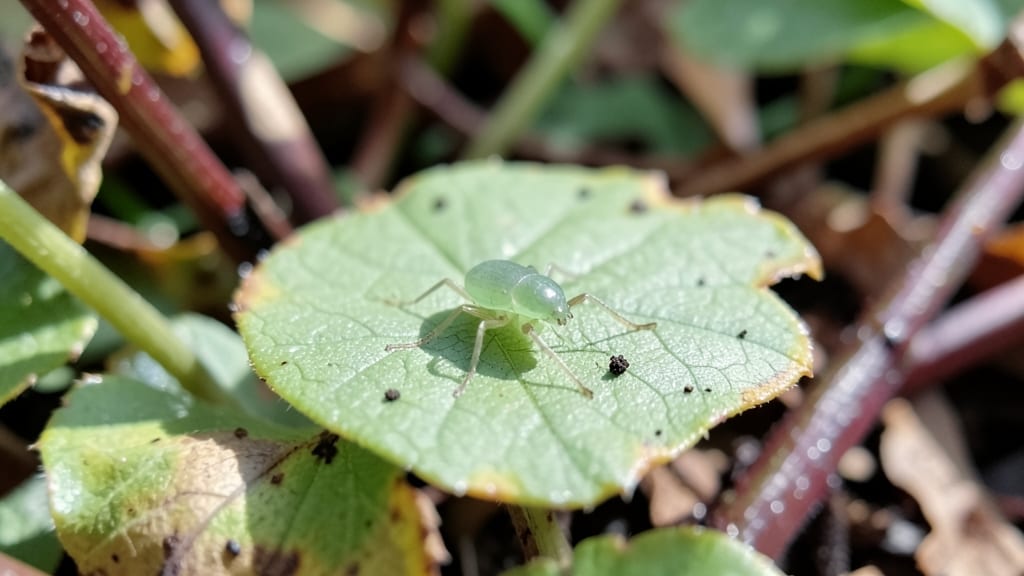
Frogs are fantastic allies for plants, serving as natural pest controllers by devouring harmful insects like aphids, slugs, and beetles that threaten foliage and roots. Their presence boosts garden biodiversity, creating healthier soil ecosystems while cutting down on chemical pesticide use.
Frogs don't just eat pests—they disrupt entire pest life cycles by targeting eggs and larvae before they mature. 💫 A single frog can consume thousands of insects annually, making them one of nature's most efficient garden protectors.
Their presence also encourages other beneficial wildlife, like birds and predatory insects, creating a balanced ecosystem that thrives without artificial interventions.
Beyond pest control, frogs contribute to soil health by aerating it through their burrowing habits and enriching it with organic matter from their diet. This natural fertilization process supports root growth and microbial activity, giving plants a stronger foundation.
The key is providing them with ideal conditions—shallow water sources, hiding spots, and pesticide-free zones—to keep them around year-round.
💡 In This Article
- How Frogs Help Gardens Through Pest Predation
- Creating a Frog-Friendly Garden Environment
How frogs help gardens through pest predation
Frogs are nature's silent garden sentinels, employing two distinct hunting strategies that make them incredibly effective at controlling pests. Ambush predators like the American green frog (Lithobates clamitans) perch motionless near water's edge, striking with lightning-fast tongues when insects venture within 1-2 inches of their position.
Their success rate reaches 80% for small prey like gnats and mosquitoes, while active foragers such as the wood frog (Lithobates sylvaticus) patrol garden edges, hopping 3-5 feet per minute to intercept moving targets like beetles and caterpillars.
The real ecological magic happens when frogs target pest life cycles at vulnerable stages. A single American bullfrog (Lithobates catesbeianus) can consume 1,000+ insects weekly during breeding season, with 60% of their diet consisting of garden-damaging species like Japanese beetles and slug eggs.
Their feeding disrupts reproduction cycles—when frogs eat 50+ aphid eggs daily, they prevent entire colonies from maturing, creating a 90% reduction in new infestations compared to untreated gardens.
What makes this pest control particularly valuable is the selective nature of frog diets. Studies show they avoid beneficial insects like bees and ladybugs while targeting 6-8x more harmful species than generalist predators.
Their hunting creates a cascade effect: fewer pests mean less plant stress, which boosts photosynthetic efficiency by 15-20% in treated gardens. The visual impact is striking—gardens with resident frogs show 75% fewer chewed leaves and 40% more blooms compared to chemical-treated plots.
Frogs also contribute to soil ecosystem health through their feeding habits. When they consume earthworm castings and soil-dwelling insects, their digestive systems process nutrients that become available to plants.
Research from the University of Georgia found that frog activity increases nitrogen availability by 25% in topsoil layers, while their burrowing aerates compacted garden beds—similar to the effects of tilling but without soil disruption. This natural fertilization reduces the need for synthetic amendments by 30-40%.
The most impressive aspect is how frogs regulate pest populations dynamically. Unlike pesticides that create resistance or kill beneficial insects, frogs adapt their hunting based on prey availability. During spring blooms, they target pollinator pests like leafhoppers, while summer heat drives them to consume more slugs and beetles.
Their presence also attracts other predators, creating a multi-layered defense system that maintains ecological balance without human intervention.
Here's what this means for gardeners: One adult frog can protect up to 1,000 square feet of garden space, with juvenile frogs covering 100-200 square feet each.
The economic value becomes clear when you consider that chemical pest control costs $200-$500 annually for average gardens, while frog predation provides equivalent protection for free—with the added benefit of improving soil health and biodiversity.