
Landscaping
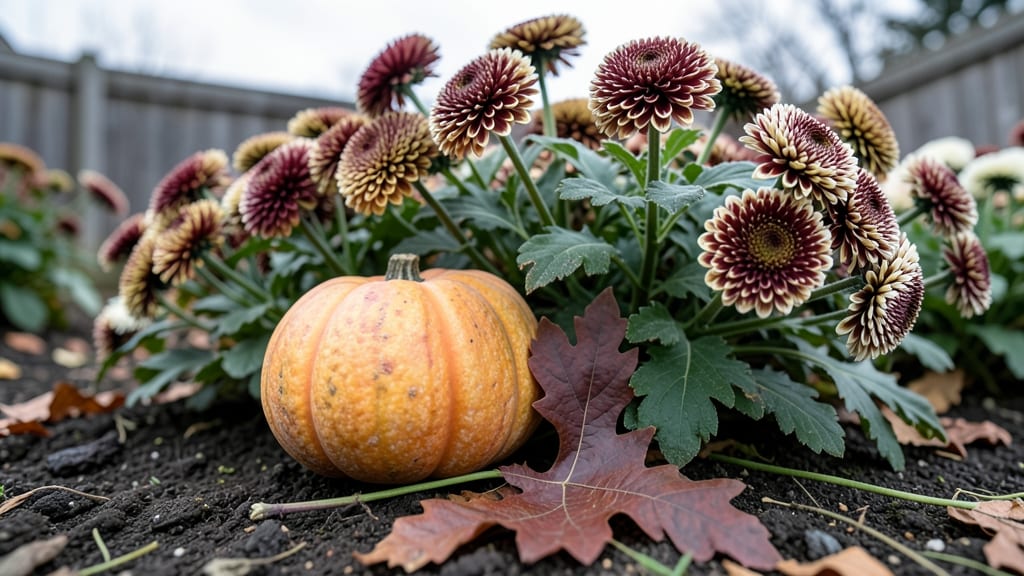
Fall landscaping plants are the unsung heroes of your yard—transforming dull autumn spaces into vibrant, textured showstoppers that keep interest through winter. 🌿 I’ve learned the hard way that skipping this season means missing out on plants that thrive when others fade, like fiery heuchera or deep burgundy smoke bush, which hold their color until snow flies.
The key isn’t just picking pretty plants; it’s choosing ones that pair well with your existing garden and won’t flop when temperatures drop.
You’ll want a mix of perennials (like sedum or Russian sage) for low-maintenance structure, shrubs (such as coral bark maple or inkberry holly) for year-round interest, and annuals (think mums or pansies) for instant pops of color.
Most of these handle cooler weather better than summer bloomers, and many even improve with age—like the ornamental grasses that sway dramatically in winter winds. The best part? Planting now means fewer weeds and established roots by spring.
By late fall, your garden will look like a curated masterpiece, with layers of deep greens, fiery reds, and golden tones that catch the light just right.
The secret’s in the details: grouping plants by height, adding mulch to protect roots, and tossing in a few evergreens (like boxwood or juniper) to keep things lively when everything else goes dormant. Even in Zone 5, these plants hold their own—no high-maintenance fuss required.
Whether you’re refreshing a tired border or starting from scratch, this is your chance to create a landscape that feels alive in every season. The plants you choose now will thank you with color, texture, and minimal upkeep for years to come. Let’s get those shovels in the ground!
📚 In This Guide
- What you need
- Instructions
- Tips and common mistakes
- Wrapping up and next steps
What you need
- ● Fall-perennial plants (4–10+ varieties): Mums (chrysanthemums) – 3–5 per 50 sq. ft.
- ● Ornamental grasses (e.g., fountain grass, switchgrass) – 1–2 clumps per section
- ● Heuchera (coral bells) – 3–5 plants for texture
- ● Sedum (stonecrop) – 5+ for drought-resistant pops of color
- ● Japanese maple or serviceberry (small trees) – 1–2 for structure
- ● Soil amendments: Compost (5–10 lbs per plant)
- ● Slow-release fertilizer (10–20 lbs, 10-10-10 NPK ratio)
- ● Tools: Garden trowel or hand shovel
- ● Pruners (bypass type for clean cuts)
- ● Garden gloves (heavy-duty for thorny plants)
- ● Wheelbarrow or bucket (5+ gallon capacity)
- ● Measuring tape (10–25 ft)
- ● Mulch (shredded bark or pine straw – 2–3 bags for ground cover)
- ● Decorative rocks or gravel (for pathways or borders)
- ● String lights or solar-powered stakes (for ambiance)
- ● Plant markers (to track varieties)
- ● Knee pads (for comfort during long planting sessions)
- ● Sunlight assessment: Note shady vs. sunny spots in your yard.
- ● Soil test: Check pH (aim for 6.0–7.0 for most perennials).
- ● Weather check: Plant on a cool, cloudy day to reduce stress on roots.
- ● Budget: Allocate $50–$200+ depending on plant selection and quantity.
Step-by-Step guide to selecting and planting fall landscaping plants
Here's how to choose and plant hardy fall favorites that keep your yard vibrant through winter.
🌿 Step 1: Choose Plants for Seasonal Interest
Select plants that offer bold foliage colors (deep reds, purples, oranges) and textural contrast—think evergreens, ornamental grasses, and late-blooming perennials. I always include mums, asters, and sedum for their fall blooms, while Japanese maples deliver fiery foliage. Check your USDA hardiness zone to ensure plants survive winter—zones 5-8 work well for most fall selections.
Group plants by height: tall grasses (6+ feet) like feather reed grass go at the back, medium shrubs (3-5 feet) like hydrangeas in the middle, and low-growing perennials (1-2 feet) like ajuga or heuchera up front. This creates natural layers that frame your yard beautifully through all seasons.
🪴 Step 2: Prepare Soil and Planting Sites
Test your soil’s pH—most fall plants prefer slightly acidic to neutral (6.0-7.0). Amend heavy clay with 2-3 inches of compost mixed into the top 12 inches of soil. For sandy soil, add peat moss to retain moisture. I dig a hole twice as wide as the root ball but only as deep—planting too deep suffocates roots.
Space plants according to their mature size: 3-4 feet apart for shrubs, 18-24 inches for perennials. Mulch with 3 inches of shredded bark after planting to retain moisture and suppress weeds. Avoid fresh mulch directly against stems—keep it 2-3 inches away to prevent rot.
☀️ Step 3: Plant for Year-Round Structure
Place evergreens (like boxwood or holly) where they’ll provide winter structure, then fill gaps with deciduous plants that change color. I plant ornamental kale or cabbage near entryways—their ruffled leaves add texture and last until frost. For containers, use pansies or violas in 10-12 inch pots, spacing them 6 inches apart for a cascading effect.
Water deeply immediately after planting to settle soil around roots, then once weekly (or more in dry spells) until established. Avoid overhead watering—drip irrigation or soaker hoses deliver moisture directly to roots without wetting foliage, reducing disease risk.
✂️ Step 4: Prune and Maintain for Next Season
Deadhead spent blooms on perennials like asters and sedum to encourage next year’s growth, but leave seed heads on grasses and perennials like coneflower for winter interest. Prune overgrown shrubs (like hydrangeas) in early spring—cutting now removes next year’s flower buds. I mark pruning spots with flagging tape to avoid over-trimming.
Apply a slow-release fertilizer (like 10-10-10) in late fall to nourish roots before dormancy. For containers, reduce watering as temperatures drop—water only when soil feels dry 1-2 inches down. Move tender plants (like tender mums) to a sheltered spot before 25°F frosts hit.
Tips & tricks for perfect fall landscaping plants
Here's what I've learned from years of designing and maintaining fall gardens that stay stunning through winter.
The Layering Secret: In Step 1, when grouping plants by height, I recommend adding one evergreen shrub (like boxwood) for every three deciduous plants. This creates visual balance and ensures your garden has structure even when deciduous plants lose their leaves. The key is to place taller evergreens at the back and shorter ones near pathways to frame your space year-round.
Soil Prep Strategy: For Step 2, don't skip the soil test—pH levels between 6.0-7.0 are critical for fall plants. I've found that adding 2-3 inches of compost to the top 12 inches of soil creates a perfect environment for root development. For clay-heavy soils, mix in 1 part peat moss to 3 parts soil—this improves drainage while retaining moisture.
Winter Protection: When preparing for 25°F frosts in Step 4, move tender plants like mums to sheltered spots before temperatures drop. I use burlap wraps around sensitive stems and place containers against south-facing walls. For added protection, apply a light layer of straw mulch (2-3 inches) around the base of plants—this insulates roots without smothering them.
Pruning Precision: In Step 4, when deadheading spent blooms, use clean, sharp pruners and make cuts at a 45-degree angle just above a leaf node. For hydrangeas, I mark pruning spots with flagging tape to avoid over-trimming—this helps me visualize where to cut while protecting next year's buds. Always prune in early spring for these shrubs.
Pro Tips for Fall Landscaping Plants
- Here's what I've learned from years of designing and maintaining fall gardens that stay stunning through winter.
- The Layering Secret: In Step 1, when grouping plants by height, I recommend adding one evergreen shrub (like boxwood) for every three deciduous plants.
- Soil Prep Strategy: For Step 2, don't skip the soil test—pH levels between 6.0-7.0 are critical for fall plants.
Frequently asked questions
Got questions about fall landscaping plants?
You’re not alone! Here are answers to the most common queries to help you create a stunning autumn landscape with ease.
What are the best low-maintenance fall plants for beginners?
Start with hardy, easy-care options like mums (chrysanthemums), sedum, or ornamental grasses. These thrive in fall with minimal fuss—just water occasionally and enjoy their vibrant colors! For extra durability, try heuchera (coral bells) or Russian sage, which handle cooler temps and require little pruning.
When is the ideal time to plant fall landscaping plants?
Late summer to early fall (typically mid-September through October) is perfect for most perennials, shrubs, and bulbs. This gives roots time to establish before winter while avoiding summer heat stress. Pro tip: Check your USDA hardiness zone—some plants (like dahlias) need to be planted by early September for best results!
Can I use the same plants year-round, or do I need seasonal swaps?
Many fall stars shine in other seasons too. Boxwoods, evergreen shrubs, and ornamental grasses add structure year-round. For color shifts, pair fall bloomers (like asters) with evergreen perennials (e.g., heather) or spring bulbs (e.g., daffodils) for a multi-season show.
Why are my fall plants wilting or turning brown too soon?
Common culprits include overwatering (fall soil stays damp longer), pests (like spider mites), or frost damage. Check soil moisture, inspect leaves for pests, and mulch to insulate roots. For browning mums, ensure they get 6+ hours of sun—shady spots can stunt blooms.
Are there drought-tolerant fall plants for dry climates?
Yes! Opt for native or Mediterranean-style plants like lavender, yucca, santolina, or agastache (hyssop). These thrive with minimal water once established. Pair them with succulents or sedum for a zero-fuss, water-wise fall garden that still pops with color!
Still stumped? Drop your plant-specific questions in the comments—we’re happy to help you troubleshoot!
Wrapping up and next steps
Transforming your yard into a year-round masterpiece doesn’t have to wait for spring! With the right fall landscaping plants, you can enjoy vibrant colors, textures, and even subtle fragrances that keep your outdoor space lively through every season.
Whether you’re drawn to bold foliage, delicate blooms, or evergreens, these plants offer low-maintenance beauty and resilience—perfect for busy homeowners who still want a stunning landscape. 🌿
Now that you’re inspired, take the next step: sketch a simple layout of your yard, noting sun exposure and soil types.
Visit your local nursery with this plan in hand, and don’t hesitate to ask for expert advice—they’ll help you pick the perfect plants to make your vision a reality. Happy planting! 🌟