
Companion Plants
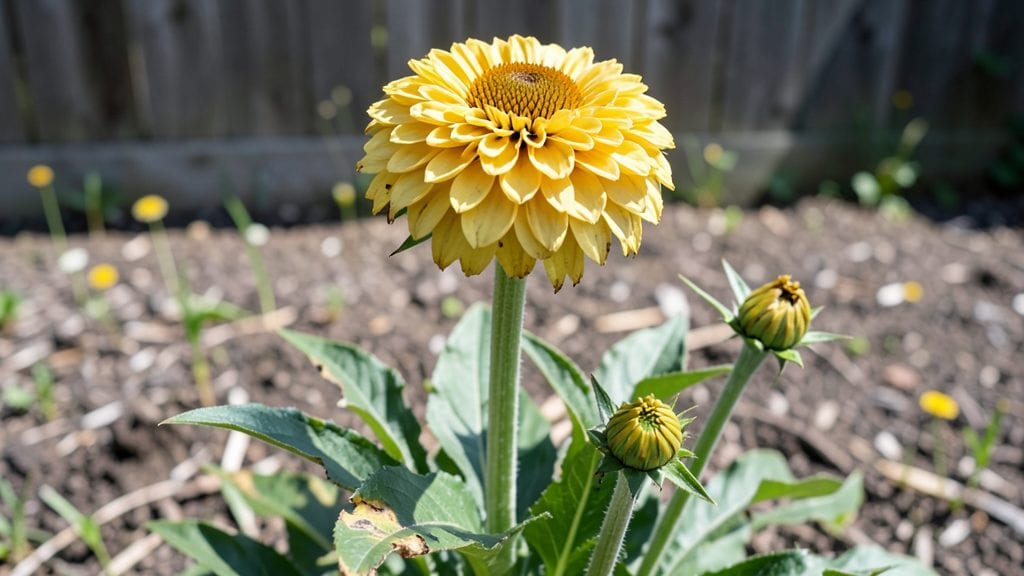
Double coneflower plants bring shockingly lush golden blooms that refuse to quit—even when summer turns dry. 🌻 I’ve grown them for years, and they’ve never failed to deliver that buttery-yellow cheer from early summer through frost.
The secret lies in their tough-as-nails nature, but they do have a few quirks that make all the difference.
The right spot means full sun (at least 6 hours daily) and well-draining soil—no fancy amendments needed. Just dig in some compost at planting, and you’re set.
These plants thrive on neglect, but they’ll reward you with double blooms and a cloud of butterflies if you give them decent spacing (2–3 feet apart).
By mid-July, you’ll have a neighbor-jealousy display of layered petals that last weeks longer than single varieties. The key is deadheading spent blooms to keep the show going, and a light trim in early spring to tidy up. Even in drought, they’ll stay upright and vibrant.
Works as a border, meadow planting, or pollinator magnet—just don’t crowd them. Here’s how to get those blooms popping from day one.
📚 In This Guide
- What you need
- Instructions
- Tips and common mistakes
- Wrapping up and next steps
What you need
- ● Double coneflower plants: 3–5 nursery-grown transplants (1–2 years old) or
- ● Seeds (start indoors 8–10 weeks before last frost or direct-sow in spring)
- ● Well-draining soil: Amend heavy clay with 2–3 inches of compost or sand (pH 6.0–7.0 ideal).
- ● Sunlight access: Full sun (6+ hours/day) in USDA Zones 3–9.
- ● Watering can or hose: With a gentle spray nozzle (avoid overhead watering to prevent fungal issues).
- ● Mulch: 2–3 inches of organic mulch (straw, shredded bark, or pine needles) to retain moisture.
- ● Garden trowel or shovel (for transplanting or dividing).
- ● Gloves (to protect hands from prickly stems).
- ● Pruners (sharp, clean pair for deadheading or dividing).
- ○ Fertilizer (optional): Low-phosphorus, balanced fertilizer (e.g., 10-10-10) only if soil is nutrient-poor.
- ○ Butterfly-friendly companions (optional): Coneflowers pair well with bee balm, black-eyed Susans, or lavender.
- ● Add a small water source (birdbath or shallow dish) nearby for pollinators!
Step-by-Step guide to planting double coneflower for season-long butterfly visits
Here's how to grow these drought-resistant beauties that keep pollinators buzzing from summer through fall.
🌱 Step 1: Choose the Perfect Planting Location
Double coneflowers thrive in full sun—at least 6-8 hours daily. I always pick the sunniest spot in my garden because they reward you with bold blooms when others fade. Test your site by observing how much sunlight it gets over a week; if nearby plants are scorched by afternoon sun, this is perfect.
These plants tolerate poor, dry soil better than most perennials, but they still need good drainage. If your soil stays soggy for more than a day after rain, amend with a 2-inch layer of compost before planting. You'll see the difference in root health and bloom quantity within a season.
🪴 Step 2: Prepare the Soil and Plant at the Right Depth
Dig holes twice as wide as the root ball but only as deep as the container's base. This prevents burying the crown too deeply, which causes rot. I like to loosen the soil around the edges of the hole with my fingers to encourage root spread.
Remove the plant from its container and gently tease apart any circling roots. Place it in the hole so the top of the root ball sits just below soil level. Backfill with native soil (no need for extra fertilizer at planting—these plants don't like rich soil). Water immediately after planting to settle the soil around roots.
☀️ Step 3: Water Deeply and Establish a Drought-Resistant Routine
Water deeply once a week for the first month after planting. You'll know you've watered enough when moisture reaches 6 inches down—stick your finger in the soil to check. Overwatering is worse than underwatering for coneflowers; they'll send up weak stems if they're too wet.
After the first month, let the soil dry completely between waterings. These plants store moisture in their deep roots and bounce back from drought better than most perennials. You'll notice the leaves perk up after a good rain—that's your signal the roots are happy.
✂️ Step 4: Deadhead and Prune for Continuous Blooms
Cut back spent flower heads in early fall to encourage a second flush of blooms. I use clean pruners and snip just above the first set of healthy leaves. This prevents the plant from setting seed and redirects energy into next year's growth.
In late winter or early spring, cut the entire plant back to 4 inches tall. This might look drastic, but it removes dead foliage and prevents disease. New growth emerges quickly from the base, and you'll have fuller plants by summer. Watch for fresh green shoots in 3-4 weeks—that's your cue everything's working.
🌿 Step 5: Divide and Maintain for Long-Term Beauty
Every 3-4 years, divide clumps in early spring to keep plants vigorous. Dig up the entire plant and separate it into sections with a clean spade, ensuring each piece has 3-5 stems. Replant immediately in fresh soil. You'll see stronger blooms and fewer floppy stems after division.
Fertilize lightly in early spring with a balanced 10-10-10 formula if your soil is very poor, but these plants rarely need extra nutrients. The key to happy coneflowers is good sunlight and minimal interference. Step back and let them grow—they'll reward you with butterflies and bold color all season.
Tips & tricks for perfect double coneflower planting
Here's what I've learned after growing these pollinator magnets for years—the little details that make all the difference.
Sunlight Secret: That 6-8 hours of full sun in Step 1 is non-negotiable, but here's the thing: morning sun is more important than afternoon. Plants in southern exposures get scorched by intense afternoon rays, while eastern exposures give gentle warmth. I've seen coneflowers in western gardens struggle with heat stress—if you have no choice but a western spot, provide afternoon shade during peak summer months.
Planting Depth Trick: When placing your coneflower in Step 2, think "just below soil level" as the top of the root ball sitting about ½ inch under the surface. This prevents crown rot while allowing roots to establish quickly. I've made the mistake of planting too deep—those plants took twice as long to establish and had fewer blooms. Use your finger to check depth before backfilling.
Watering Wisdom: The 6-inch moisture test in Step 3 is crucial, but here's what nobody tells you: water in the early morning. This gives leaves time to dry before evening, preventing fungal issues. I've noticed my plants develop less powdery mildew when watered this way, even in humid summers. A simple garden hose with a gentle spray nozzle works perfectly for this deep watering technique.
Pruning Payoff: That early fall deadheading in Step 4 isn't just about looks—it's about butterfly real estate. When you remove spent blooms, you're creating space for new flowers that will feed pollinators right up until frost. I've seen gardens with coneflowers that stopped blooming after the first flush because they weren't deadheaded. Grab those clean pruners and give your plants a second chance at summer beauty.
Pro Tips for Double Coneflower Plants
- Here's what I've learned after growing these pollinator magnets for years—the little details that make all the difference.
- Sunlight Secret: That 6-8 hours of full sun in Step 1 is non-negotiable, but here's the thing: morning sun is more important than afternoon.
- Planting Depth Trick: When placing your coneflower in Step 2, think "just below soil level" as the top of the root ball sitting about ½ inch under the surface.
Frequently asked questions
Got questions about growing double coneflower plants? You’re in the right place! Here are answers to the most common queries—from planting tips to pest troubleshooting—so you can enjoy these drought-resistant beauties with confidence.
When is the best time to plant double coneflowers?
Plant double coneflowers in early spring (after the last frost) or early fall for best results. This gives roots time to establish before extreme heat or cold. If transplanting, water deeply to reduce shock. Pro tip: If starting from seed, sow directly in the garden in spring—they dislike being transplanted!
How often should I water double coneflowers?
Once established, double coneflowers are drought-tolerant and need minimal watering—about once every 2–3 weeks in dry spells. Water deeply at the base (not overhead) to encourage strong roots. Young plants or those in containers may need weekly watering until fully settled. Pro tip: Mulch around the base to retain moisture and deter weeds!
What pests or diseases commonly affect double coneflowers?
Double coneflowers are generally low-maintenance, but watch for aphids (tiny green bugs) or powdery mildew in humid conditions. Blast aphids off with water or use insecticidal soap. For mildew, improve airflow and avoid overhead watering. Japanese beetles may munch on petals—handpick them or use neem oil if needed.
Can I grow double coneflowers in containers?
Choose a 5-gallon container minimum with drainage holes and well-draining soil. Pair them with lavender, sedum, or catmint for a drought-tolerant combo. Water more frequently than in-ground plants, and fertilize lightly in spring. Pro tip: Place containers in full sun (6+ hours daily) for the best blooms!
Why aren’t my double coneflowers blooming?
If your plants are leafy but not flowering, they may need more sun (aim for 6+ hours dailywell-draining soil. Overcrowding can also stunt blooms—space plants 18–24 inches apart.
Are double coneflowers perennial, or do I need to replant yearly?
Yes! Double coneflowers are perennial in USDA zones 3–9, meaning they’ll return year after year with proper care. Divide clumps every 3–4 years in early spring to rejuvenate growth. In colder zones, a light mulch over winter can protect roots.
Do double coneflowers attract butterflies?
Absolutely!
Double coneflowers are a butterfly magnet, especially for swallowtails, monarchs, and painted ladies. Their long, tubular blooms provide nectar, while the seed heads feed birds in winter. Plant in clusters for maximum pollinator appeal!
Wrapping up and next steps
Double coneflower plants are a low-maintenance, drought-resistant superstar that brings beauty, pollinators, and resilience to any garden. Whether you're a beginner or a seasoned gardener, their easy care and vibrant blooms make them a must-have for attracting butterflies and adding long-lasting color to your landscape. 🌸
Ready to transform your garden? Start by choosing the perfect spot—whether it’s a sunny border, a pollinator-friendly meadow, or a container on your patio—and plant your double coneflowers today! With minimal effort, you’ll enjoy their stunning flowers and the joy of supporting local wildlife all season long.