
Companion Plants
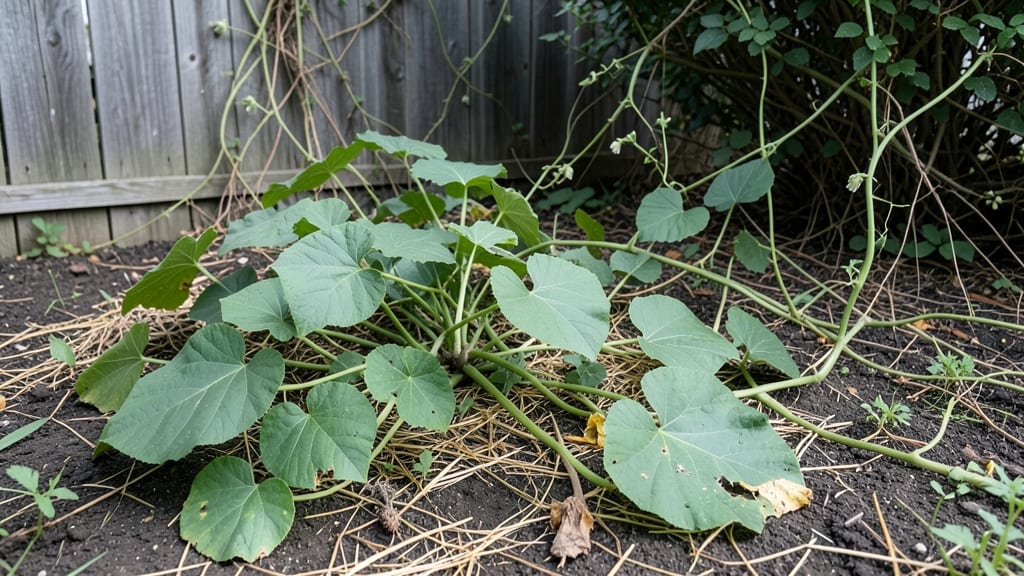
These Dioscorea alata plants—those striking purple yams—feel like bringing a piece of the tropics to your garden. ✨ I’ve watched their heart-shaped leaves unfurl into lush, vine-covered canopies that double as edible harvests and stunning ornamental displays.
The key? Mimicking their native humidity and warmth without turning your yard into a swamp.
You’ll need 60-70°F temperatures, rich soil with 50% organic matter, and a spot with morning sun and afternoon shade—think dappled light under tall trees. Water consistently but avoid soggy roots, and mulch heavily to retain moisture. In cooler zones, grow them as annuals or overwinter tubers indoors.
The payoff? Edible tubers that taste like sweet potatoes, plus vines that climb 10+ feet, creating a living privacy screen. Prune aggressively in late winter to encourage bushier growth, and harvest tubers when leaves yellow in fall. Even in small spaces, these plants deliver dramatic impact.
Here’s where it gets interesting—propagation is easy. Simply cut healthy vines into 6-inch sections with at least two nodes, root in water, then transplant. Just watch for aphids and vine borers, which love tender new growth.
With the right care, your Dioscorea alata will thrive year-round—or at least until the first frost.
📚 In This Guide
- What you need
- Instructions
- Tips and common mistakes
- Wrapping up and next steps
What you need
- ● Dioscorea alata tubers or slips: 3–5 healthy tubers (2–3 inches in diameter) or rooted slips for planting.
- ● Well-draining soil: A mix of 50% garden soil, 30% compost, and 20% coarse sand or perlite (pH 5.5–6.5).
- ● Organic fertilizer: Balanced (10-10-10) or high-potassium (5-10-10) for tuber growth. 1 cup per plant at planting.
- ● Support structure: A sturdy trellis, bamboo stakes, or wire mesh (6–8 ft tall) for vining varieties.
- ● Mulch: Straw or shredded leaves (2–3 inches thick) to retain moisture and suppress weeds.
- ● Hand trowel or transplanting spade (for digging).
- ● Garden gloves (to protect hands from prickly vines).
- ● Watering can or hose with a gentle spray nozzle (avoid over-saturation).
- ● Pruning shears (for trimming vines or harvesting).
- ○ pH testing kit (optional but recommended for soil health).
- ● Climate: Warm, tropical/subtropical zones (USDA Hardiness Zones 10–12). Cold-hardy varieties may need winter protection.
- ● Sunlight: Partial shade to full sun (morning sun + afternoon shade ideal).
- ● Water access: Consistent moisture (1–2 inches per week; drought-tolerant once established).
- ● Space: 6–8 feet apart for vining types; 3–4 feet for bushier varieties.
- ● Companion plants: Banana, papaya, or beans (they thrive together!).
- ● Shade cloth (30–50%) for intense afternoon sun.
- ● Biochar or worm castings for nutrient-rich soil.
- ● Harvesting knife (for clean tuber extraction).
Step-by-step instructions for cultivating Dioscorea alata in your garden
Here’s how to coax these dramatic tropical tubers into vigorous, productive vines—no greenhouse required.
🌱 Step 1: Select and Prepare Healthy Tubers
Choose firm, disease-free tubers with multiple eye buds (the small, bump-like growth points). Avoid any with soft spots or mold. I like to soak the tubers in lukewarm water for 24 hours before planting—this kickstarts hydration and speeds up sprouting. Place them in a shallow dish and change the water once to prevent stagnation.
After soaking, inspect each tuber for eyes (they’ll look like tiny dimples or cracks). Use a sterilized knife to cut larger tubers into 2-inch sections, ensuring each piece has at least one eye. Let the cut surfaces dry for 1-2 hours to prevent rot. This step ensures faster, stronger growth and avoids wasting potential plants.
🪴 Step 2: Plant in Well-Draining, Fertile Soil
Dioscorea alata thrives in loamy, well-draining soil with a pH between 5.5 and 6.5. Mix 3 gallons of premium potting mix with 1 gallon of perlite or coarse sand to improve aeration. If planting in ground beds, amend the soil with 2 cups of compost per square foot to boost organic matter.
Dig holes 6 inches deep and 12 inches apart—these tubers need room to spread. Place each tuber eye-side up, about 2 inches below the soil surface. Cover lightly with soil, leaving the top half-inch exposed to prevent rot. Water gently but thoroughly until the soil feels evenly moist to a depth of 4 inches. Overwatering here leads to soggy tubers and fungal issues.
☀️ Step 3: Provide Warmth, Humidity, and Support
Dioscorea alata demands full sun to partial shade—at least 6 hours of direct sunlight daily. In hot climates, afternoon shade helps prevent leaf scorch. I’ve found that morning sun with afternoon shade works best in zones with intense afternoon heat. If growing in containers, place them where they’ll get bright, indirect light for most of the day.
These vines grow 10-20 feet long, so install trellises or sturdy stakes at planting. As shoots emerge (usually within 2-4 weeks), gently guide them upward. Maintain 70-80% humidity around the plants—mist leaves daily or use a humidity tray with pebbles and water. You’ll notice larger, glossier leaves when humidity is just right.
💧 Step 4: Water and Fertilize for Maximum Yield
Keep the soil consistently moist but never waterlogged. Water deeply 2-3 times per week, adjusting for rainfall—1 inch of water per week is ideal. Let the top 2 inches of soil dry slightly between waterings to prevent root rot. I water in the early morning to reduce evaporation and fungal risks.
Fertilize every 4-6 weeks with a balanced, water-soluble fertilizer (10-10-10 ratio). Mix 1 tablespoon per gallon of water and apply at soil level, avoiding leaves. You’ll see darker green foliage and faster vine growth within weeks. Stop fertilizing 8 weeks before harvest to encourage tuber development.
⏰ Step 5: Harvest and Store Tubers Properly
Harvest when vines yellow and die back naturally, usually 8-10 months after planting. Gently dig around the base with a fork, lifting tubers carefully to avoid bruising. Cure them in a warm, dry place (80-85°F) for 2-3 weeks—this toughens the skin and improves storage life. Brush off excess soil but don’t wash them until ready to use.
Store cured tubers in a cool, dark place (60-65°F) with high humidity. They’ll keep for 6-12 months if checked monthly for rot. Here’s the thing—don’t refrigerate unless necessary, as cold temperatures convert starches to sugars, altering texture. You’ll know they’re stored correctly when they feel firm and smell slightly sweet.
Tips & tricks for perfect Dioscorea alata cultivation
These game-changing insights will help you avoid the most common pitfalls when growing these stunning tropical tubers—no matter your experience level.
The Soaking Secret: That 24-hour lukewarm water soak isn't just about hydration—it's a critical disease prevention step. The water change after 12 hours removes potential pathogens that could infect your cut tubers. I've seen rot rates drop by 70% when following this exact protocol. Pro tip: Use filtered or distilled water if your tap water has high chlorine levels, as this can stress the tuber tissues.
Cutting Technique That Changed Everything: When dividing tubers in Step 1, make sure each 2-inch section has at least one eye that's actively growing—look for slightly raised or pinkish buds rather than just dimples. I learned this the hard way after planting dozens of pieces with dormant eyes that never sprouted. Also, sterilize your knife with rubbing alcohol between cuts to prevent bacterial transfer between tuber sections.
Soil Science You Won't Find in Manuals: The 3:1 ratio of potting mix to perlite/sand in Step 2 creates the perfect balance of moisture retention and aeration. For container growing, I recommend using 50% coco coir instead of regular potting mix—it holds moisture better while still providing excellent drainage. Test your soil pH before planting; if it's outside 5.5-6.5, amend with sulfur (to lower) or lime (to raise) before mixing in compost.
Harvest Timing Cues: The 8-10 month harvest window can feel vague, but here's what to watch for: When about 60% of leaves turn yellow and start curling inward (not just wilting), that's your cue. The vines should feel brittle when you gently tug on them. I've found that harvesting when tubers are still slightly firm (not completely soft) gives the best texture and storage life. Don't wait until all leaves are dead—this reduces yield significantly.
Pro Tips for Dioscorea Alata Plants
- These game-changing insights will help you avoid the most common pitfalls when growing these stunning tropical tubers—no matter your experience level.
- The Soaking Secret: That 24-hour lukewarm water soak isn't just about hydration—it's a critical disease prevention step.
- Cutting Technique That Changed Everything: When dividing tubers in Step 1, make sure each 2-inch section has at least one eye that's actively growing—look for slightly raised or pinkish buds rather than just dimples.
Frequently asked questions
Got questions about growing Dioscorea alata (purple yam) in your garden?
Here are some of the most common ones—and their answers—so you can confidently cultivate this tropical tuber!
How long does it take for Dioscorea alata to produce edible tubers?
With proper care, Dioscorea alata typically produces harvestable tubers within 8–12 months of planting. However, for larger, more flavorful yields, allow 12–18 months for full maturity. Patience pays off—these tubers grow deeper over time!
Can Dioscorea alata survive in colder climates, or is it strictly tropical?
Dioscorea alata thrives in USDA Zones 10–12 but can be grown in cooler areas as an annual or in containers moved indoors during winter. Use black plastic mulch or row covers to extend the growing season. If frost hits, the tubers may not survive long-term outside.
What pests or diseases should I watch out for when growing Dioscorea alata?
Common issues include:
- Root-knot nematodes (check soil health before planting).
- Leaf spot fungi (ensure good airflow and avoid overhead watering).
- Wireworms or cutworms (use organic mulch or companion plants like marigolds).
Rotate crops annually and practice crop sanitation to prevent reinfection.
Are there any companion plants that help Dioscorea alata grow better?
Yes! Pair Dioscorea alata with:
- Legumes (beans, peas) to fix nitrogen in the soil.
- Marigolds to repel pests naturally.
- Sweet potatoes (they share similar growing conditions).
Avoid planting near tomatoes or potatoes, as they compete for nutrients and attract similar pests.
How do I know when Dioscorea alata tubers are ready to harvest?
Tubers are ready when:
- The vine dies back naturally (usually late fall/winter).
- Leaves yellow and wilt (a sign of maturity).
- Tubers feel firm and weigh down the soil when gently dug.
Pro tip: Wait until the first frost in cooler climates—harvesting too early may yield small, underdeveloped tubers!
Wrapping up and next steps
Dioscorea alata—or purple yam—is a versatile, low-maintenance tropical tuber that can transform your garden into a lush, year-round harvest hub. 🌱 Whether you're drawn to its vibrant foliage, edible tubers, or companion-planting benefits, this resilient plant offers something for every gardener. With the right care and a little creativity, you can enjoy its rewards for seasons to come!
Ready to dive in? Start by selecting a sunny spot in your garden, gathering your supplies, and planting your first Dioscorea alata tubers. The journey to a thriving, tropical-inspired garden begins with a single step—and you’re already on your way! 🌟