Size
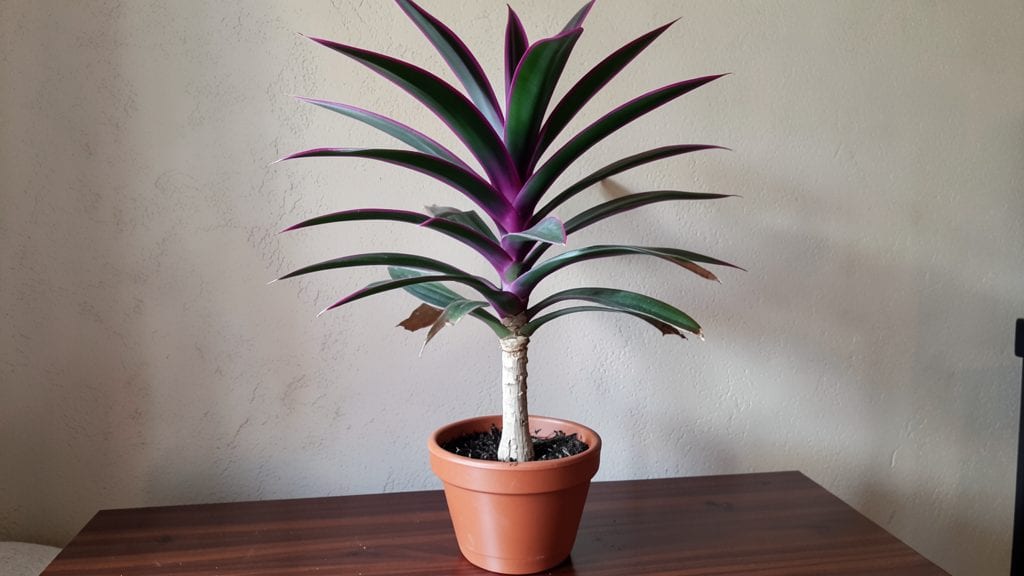
Tall vase plants turn any space into a dramatic vertical garden. 🌿 I’ve used them to instantly elevate patios, entryways, and even my living room—just by swapping boring centerpieces for towering arrangements that feel like a garden in a glass.
The right plants add year-round height, whether you’re filling a 24-inch urn with snapdragons or letting ornamental grasses sway in a rustic pitcher.
Most people assume tall vase plants need constant fussing, but the best varieties thrive with minimal care. Delphiniums and tall grasses like miscanthus demand little beyond regular watering and occasional deadheading, while snapdragons and foxgloves reward you with bold, jewel-toned blooms that last weeks.
The key is pairing plants with similar water needs—group moisture-lovers together and drought-tolerant types separately.
You’ll love how these arrangements create instant focal points—whether tucked against a blank wall, lining a pathway, or bridging indoor-outdoor spaces. A well-placed vase of delphiniums can make a small patio feel grand, while grasses add movement and texture to winter gardens.
The best part? They adapt to any style, from cottage charm to modern minimalism.
Here’s the secret: start with one statement piece—like a single delphinium stalk in a slender vase—and build from there. Mix heights, textures, and bloom times for continuous interest, and don’t forget to rotate arrangements seasonally. Your garden (or home) will never look the same again.
📚 In This Guide
- What you need
- Instructions
- Tips and common mistakes
- Wrapping up and next steps
What you need
- ● Tall Vase or Container: Minimum height: 18–36 inches (adjust based on plant size)
- ● Diameter: 6–12 inches (wider for stability, narrower for sleek designs)
- ● Drainage holes: Mandatory (or use a cache pot with holes)
- ● Potting Mix: 1–2 gallons (depends on vase size)
- ● Well-draining blend (e.g., 50% peat/coir + 30% perlite + 20% orchid bark)
- ● Tall, Drought-Tolerant Plants: Recommended picks: Snake Plant, Dracaena, Yucca, or Bird of Paradise (3–5 plants per vase)
- ● Check root ball size—should fit snugly in the vase without overcrowding.
- ● Gravel or Decorative Stones: ½–1 cup (for drainage layer at the vase bottom)
- ● Essential Tools: Trowel or small shovel
- ● Watering can with a narrow spout (for deep watering)
- ● Pruning shears (for trimming overgrowth)
- ○ Optional (But Helpful!): Moss or sphagnum for aesthetic layering
- ● Slow-release fertilizer (1–2 tablets per vase)
- ● Support stakes (for top-heavy plants like Bird of Paradise)
- ● Decorative pebbles or paint (to customize your vase!)
- ● ✅ A sunny or bright indirect spot (most tall plants need 4–6 hours of light/day).
- ● ✅ Patience! Some plants (like Dracaena) may take weeks to adjust to their new home.
- ● ✅ Research your plant’s watering needs—overwatering is the #1 killer of tall vase plants!
How to create a striking vertical garden with tall vase plants
Transform any space with lush, architectural plants that reach for the ceiling—no green thumb required.
🪴 Step 1: Select Plants and Vases for Height and Harmony
Choose plants that naturally grow 6 feet or taller—think Dracaena marginata (dragon tree), Yucca elephantipes, or Ficus lyrata (fiddle-leaf fig). These thrive indoors and add dramatic verticality. Pair them with tall, slender vases (at least 18 inches high) that complement your decor while allowing roots to breathe.
I always opt for unglazed ceramic or concrete vases—they wick away excess moisture and prevent root rot, which is critical for tall plants that can't be moved easily. Place the vase on a drip tray to catch any overflow, especially if you're using a self-watering system. The key is balance: group odd-numbered plants (3 or 5) in varying heights for natural flow.
🌱 Step 2: Prepare the Planting Medium and Vase Setup
Fill the vase with a well-draining mix—combine 2 parts potting soil, 1 part perlite, and 1 part orchid bark for aeration. This prevents compaction, which is deadly for tall plants with deep root systems. Moisten the mix until it’s damp but not soggy—you should see slight beads of water on the surface, not puddles.
Add a 2-inch layer of gravel at the bottom for drainage. This ensures water flows out instead of pooling at the roots. If using a self-watering vase, check the reservoir’s wick system—it should draw moisture upward without letting the plant sit in standing water. Tall plants like these can’t recover from root rot, so drainage is non-negotiable.
☀️ Step 3: Plant and Position for Optimal Growth
Remove the plant from its nursery pot and loosen the roots gently if they’re circling. Place it in the vase so the top of the root ball sits 1-2 inches below the rim—this allows for watering without spilling. Backfill with your mix, pressing lightly to eliminate air pockets but not compacting it.
Position the vase near a south- or west-facing window where it gets bright, indirect light for 6+ hours daily. Tall plants like these grow toward the light, so rotate the vase quarter-turn weekly to prevent leaning. You’ll notice new growth emerging within 4-6 weeks—this is your cue that the plant is thriving.
💧 Step 4: Water and Maintain for Long-Term Height
Water when the top 2 inches of soil feel dry—stick your finger in to check. Tall plants in vases dry out faster than you’d think because their roots can’t spread widely. Use room-temperature water and pour slowly until it drains from the bottom. Empty the drip tray after 10 minutes to avoid soggy roots.
Fertilize every 4-6 weeks with a balanced liquid fertilizer (10-10-10) diluted to half strength. Tall plants need nutrients to support their height, but too much fertilizer burns their roots. Dust the leaves monthly with a microfiber cloth—this mimics natural rain and keeps them vibrant. Prune leggy stems in early spring to encourage bushier growth.
✂️ Step 5: Prune and Refresh for Year-Round Drama
Trim any yellow or brown leaves with clean pruners to keep the plant looking sharp. Cut just above a leaf node to encourage new growth. If a stem becomes too leggy, prune it back by one-third in late winter—this triggers fresh foliage and maintains the plant’s shape.
Every 2-3 years, repot into a 2-inch larger vase to give roots more space. This is also the time to refresh the soil mix, as old potting soil loses nutrients and compacts over time. Tall plants reward patience—with proper care, they’ll keep reaching for the ceiling for years, becoming the centerpiece of any room.
Tips & tricks for perfect tall vase plants
Here's what I've learned after years of perfecting vertical greenery—these tricks will help your tall vase plants thrive and stay stunning year-round.
Lighting Strategy: In Step 3, when positioning your plants, I can't stress enough how critical that 6+ hours of bright, indirect light is. If your space lacks ideal windows, supplement with a grow light positioned 12-18 inches above the plants for 12-14 hours daily. South-facing windows provide the best natural light, but west-facing works too—just monitor for leaf scorch if the afternoon sun is intense.
Root Health Secret: The 2-inch gravel layer in Step 2 isn't just about drainage—it's your first line of defense against root rot. I've found that adding a handful of biochar (optional) to the gravel layer enhances microbial activity, which improves nutrient uptake. This is especially valuable for tall plants with deep root systems that need every advantage to reach their full height.
Watering Wisdom: That 10-minute drainage time after watering in Step 4 is non-negotiable. I've seen too many tall plants suffer from soggy roots because people skip this step. Pro tip: Use a moisture meter to check soil moisture—aim for the needle to read between 30-50% moisture. Overwatering is the #1 killer of vertical gardens, so when in doubt, wait a few more days.
Pruning Precision: When pruning leggy stems in Step 5, always cut just above a leaf node at a 45-degree angle. This creates a larger surface area for new growth to emerge. I like to sterilize my pruners with rubbing alcohol between cuts to prevent bacterial infections—especially important when working with multiple plants. The goal is to maintain that architectural shape while encouraging bushier growth at the base.
Pro Tips for Tall Vase Plants
- Here's what I've learned after years of perfecting vertical greenery—these tricks will help your tall vase plants thrive and stay stunning year-round.
- Lighting Strategy: In Step 3, when positioning your plants, I can't stress enough how critical that 6+ hours of bright, indirect light is.
- Root Health Secret: The 2-inch gravel layer in Step 2 isn't just about drainage—it's your first line of defense against root rot.
Frequently asked questions
Got questions about making tall vase plants the star of your space? We’ve got answers!
What are the best tall vase plants for beginners?
Start with low-maintenance picks like Dracaena marginata (dragon tree), Snake plant (Sansevieria), or ZZ plant—they thrive in vases, tolerate low light, and need minimal watering. For a pop of color, try Calathea orbifolia (prayer plant) or Bird of Paradise (once established).
How often should I water tall vase plants?
Watering depends on the plant and vase size, but a general rule is to check the top 1–2 inches of soil—if it’s dry, it’s time! Vases with drainage holes dry faster; those without may need less frequent watering. Pro tip: Use a moisture meter or stick your finger in the soil to avoid overwatering (a common killer of tall plants!).
Can I use a tall vase for outdoor plants too?
Opt for weather-resistant materials like ceramic, terracotta, or fiberglass for outdoor use. Choose drought-tolerant plants like Yucca, Dracaena, or Oleander (toxic—keep away from pets/kids). Move vases indoors during frost or extreme weather to protect your greenery.
What if my tall vase plant looks leggy or sparse?
Leggy growth usually means your plant needs more light. Rotate the vase weekly for even exposure, and consider a grow light if natural light is limited. Trim leggy stems just above a leaf node to encourage bushier growth. For sparse foliage, fertilize lightly with a balanced liquid fertilizer every 4–6 weeks during spring/summer.
How can I style a tall vase plant in small spaces?
Use height to your advantage! Place the vase in a corner to create a vertical focal point, or pair it with a low bookshelf or side table. For tiny spaces, choose slender vases (like bamboo or glass) to avoid overwhelming the room. Add trailing plants (e.g., Pothos) nearby to soften the look.
Bonus Tip:
Need a quick fix for a dull vase? Wrap the base with macramé, paint it in a bold color, or tie on a woven basket for texture. Your tall plant will thank you for the upgrade!
Wrapping up and next steps
Tall vase plants are the perfect way to add drama, structure, and a touch of elegance to any space—whether you're a seasoned gardener or just starting your green journey. 🌿 From lush fiddle-leaf figs to striking snake plants, these vertical stars bring height, texture, and year-round interest with minimal fuss.
The key? Choose wisely, care thoughtfully, and let your plants shine!
Ready to transform your home or office? Start by picking one statement plant that speaks to your style, then experiment with containers, lighting, and styling. Before you know it, you’ll have a thriving vertical garden that turns heads—and maybe even inspires your next decor project! 🌟