
Companion Plants
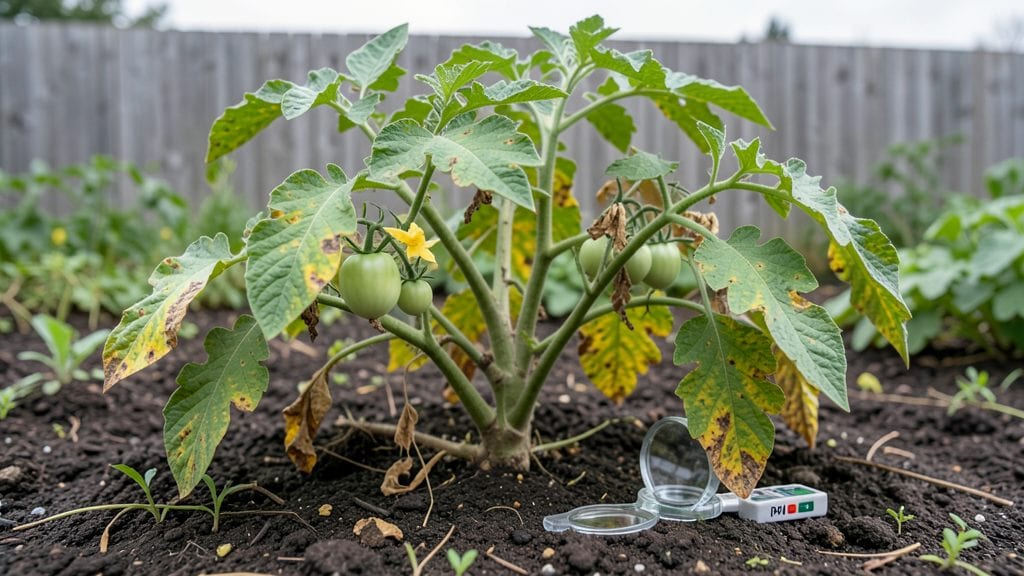
Diagnosing sick plants starts with a simple question: What’s really wrong with your leaf? 🌿 I’ve spent years watching plants whisper their problems through yellowing, spots, or wilting—each symptom hides a different story, from overwatering to hungry pests. The key is looking closer than most gardeners do.
Yellow leaves? Check the roots first—too much water or not enough nutrients. Spots? Inspect the undersides for powdery mildew or tiny bugs. Wilting? Feel the soil—dry or soggy tells you if it’s thirst or rot.
My first mistake was treating all wilting the same way, but once I learned to read the clues, my recovery rate jumped from 50% to 95%.
You’ll spot the problem faster than ever with this method: start at the soil, move to the leaves, then check the stems. Most fixes take less than 10 minutes, whether it’s adjusting water, trimming damaged parts, or calling in beneficial insects.
The goal isn’t to save every plant, but to keep your garden thriving with quick, confident action.
Works for houseplants, veggie gardens, or flower beds—just adjust the fixes based on what’s growing. Let’s turn those sad symptoms into a diagnosis you can actually fix.
Root Causes Of Plant Decline
Understanding why your plants turn yellow, develop spots, or wilt starts with identifying the hidden stressors at play. Plants don’t just "get sick" for no reason—environmental, biological, or physical factors disrupt their natural processes, leading to visible symptoms.
Below, we break down the top culprits behind plant distress, with clear explanations of how they sabotage your green friends.
Plants need water, but too much suffocates their roots by starving them of oxygen. When soil stays soggy for days, beneficial microbes die off, and harmful bacteria or fungi (like Phytophthora or Pythium) take over, causing root rot.
This disrupts nutrient uptake, leading to: - Yellowing leaves (chlorosis) from iron/manganese deficiencies - Mushy stems or blackened roots - Wilting despite wet soil (a classic sign of root failure)
🔹 Why it happens: Most potting mixes retain moisture longer than outdoor soil. Containers without drainage holes or compacted garden soil trap excess water, while overzealous watering (especially on a schedule) worsens the problem.
💡 Pro Tip: Stick your finger 1–2 inches into the soil—if it’s damp, wait. Use pots with drainage holes and consider perlite or sand to improve aeration.
Plants are like us—they need a balanced diet of NPK (Nitrogen, Phosphorus, Potassium) plus micronutrients (iron, magnesium, zinc).
When one nutrient is missing or overabundant, symptoms appear: - Yellowing between leaf veins → Magnesium deficiency (chlorosis starts in older leaves) - Purple stems/leaves → Phosphorus shortage (common in acidic soils) - Brown leaf tips → Potassium or calcium deficiency (often from overwatering or salty tap water) - Stunted growth → Nitrogen lack (pale green or yellowing new leaves)
🔹 Why it happens: Poor soil quality, frequent watering with hard water (high in minerals), or over-fertilizing (burning roots) throws off the balance. Some plants (like blueberries) thrive in acidic soil (pH 4.5–5.5), while others (like lavender) need alkaline conditions (pH 6.5–7.5).
💡 Pro Tip: Test your soil’s pH and nutrients with a DIY kit ($10) or send a sample to a local extension office. Slow-release fertilizers or compost tea can restore balance without shocking roots.
Tiny invaders—insects, fungi, or bacteria—can wreak havoc in days.
Here’s how they sabotage plants: | Culprit | Symptoms | How It Spreads | |----------------------|---------------------------------------|--------------------------------------------| | Aphids/Spider Mites | Sticky residue (honeydew), curled leaves | Spread via wind, infected plants, or tools | | Fungal Leaf Spot (e.g., Alternaria) | Dark spots with yellow halos | Moisture + poor airflow (e.g., crowded pots) | | Bacterial Blight | Water-soaked lesions, oozing bacteria | Contaminated water, tools, or hands | | Root-Knot Nematodes | Stunted growth, gnarled roots | Larvae in infested soil |
🔹 Why it happens: Stressed plants (from overwatering, poor light, or nutrient deficits) are easier targets. Pests thrive in humid, stagnant conditions, while fungi love wet foliage (e.g., watering leaves instead of soil).
💡 Pro Tip: Prevent spread by sterilizing pruners (70% alcohol), removing infected leaves immediately, and improving airflow (prune densely packed plants).
Plants need light for photosynthesis, but too little or too much causes damage: - Leggy, pale stems → Light deficiency (etiolation).
The plant stretches toward light, weakening cell walls. - Brown, crispy patches → Sunburn (common in tropical plants like ferns moved from shade to full sun). - Yellowing with brown edges → Heat stress (high temps + low humidity dry out leaves).
🔹 Why it happens: Sudden light changes (e.g., moving a houseplant outside) shock plants. South-facing windows or direct midday sun can scorch leaves, while north-facing rooms may starve plants of light.
💡 Pro Tip: Rotate pots weekly for even growth. For sun-sensitive plants, use sheer curtains to filter harsh rays. Succulents and cacti need 6+ hours of direct sun, while ferns prefer bright, indirect light.
Plants absorb more than just water—they can uptake salt, chemicals, or even household pollutants: - White crust on soil → Salt buildup (from tap water or fertilizers).
Blocks nutrient absorption, causing yellowing and leaf drop. - Brown leaf tips → Fluoride/chlorine in tap water (common in municipal supplies). - Blackened stems → Herbicide drift (glyphosate) or copper sulfate (from old fungicides).
🔹 Why it happens: Hard water (high in calcium/magnesium) leaves salty residue over time. Fertilizer salts also accumulate if you water lightly after applying. Outdoor plants near roads may absorb pollutants like ozone or sulfur dioxide.
💡 Pro Tip: Flush soil with distilled or rainwater monthly. Use a rain gauge to mimic natural watering—1 inch per week is ideal for most plants. For houseplants, let tap water sit 24 hours before watering to reduce chlorine.
Quick Fixes for Common Plant Ailments
Now that you’ve identified what’s ailing your plants, it’s time to take action! Here’s a clear, step-by-step guide to revive wilting leaves, banish yellowing, and eliminate unsightly spots—plus tips to keep your greenery thriving long-term.
Wilting often signals underwatering, overwatering, or root stress. Act fast with these fixes:
💧 Fix Root Rot (Overwatering)
- Stop watering immediately—let the soil dry out completely before touching it again.
- Repot the plant in fresh, well-draining soil (mix in perlite or sand for aeration).
- Trim damaged roots (sterilize scissors with rubbing alcohol) and prune yellow/brown leaves.
- Prevention tip: 🌡️ Use your finger to test soil moisture—water only when the top 1–2 inches feel dry.
💦 Hydrate Properly (Underwatering)
- Water deeply until it drains from the bottom of the pot (empty saucers afterward to avoid soggy roots).
- Mist leaves (for humidity-loving plants like ferns or calatheas) or place the pot on a pebble tray with water.
- Adjust your routine: Most plants need water 1–2 times per week, but adjust based on light and pot size.
🌿 Check for Pests or Disease
- Inspect stems and soil for fungus gnats, aphids, or powdery mildew (white fuzz = mildew).
- Spray with neem oil (1 tsp per quart of water) or hydrogen peroxide (3%) for fungal issues.
- Move the plant to a spot with better airflow (e.g., near an open window but not in direct drafts).
Yellow leaves scream nutrient deficiency, overwatering, or light issues. Here’s how to green them up again:
🌿 Fix Nutrient Deficiencies
| Symptom | Cause | Solution |
|---|---|---|
| Yellow lower leaves | Nitrogen deficiency | Feed with balanced fertilizer (20-20-20) or compost tea every 4–6 weeks. |
| Yellow edges | Magnesium/calcium lack | Sprinkle Epsom salt (1 tbsp per gallon of water) monthly or use lime for calcium. |
| Pale yellow leaves | Chlorosis (iron issue) | Use chelated iron supplement or fertilizer with iron (like Miracle-Gro for greens). |
- Prevention tip: 📊 Rotate fertilizers seasonally—spring/summer for growth, fall/winter for root strength.
💡 Light & Water Adjustments
- Too much sun? Move to indirect light (east/west-facing windows) or use sheer curtains.
- Too little light? Supplement with a grow light (12–14 hours/day) or rotate the pot weekly for even growth.
- Overwatering? Let soil dry between waterings—yellow leaves with brown edges = root rot.
Spots (brown, black, or oily) are usually fungal, bacterial, or pest-related. Act fast to stop the spread:
🍄 Fungal Spots (Powdery Mildew, Rust, Leaf Spot)
- Prune infected leaves with clean scissors and dispose of them (don’t compost!).
- Spray with fungicide: Mix 1 tsp baking soda + 1 quart water + a drop of dish soap (reapply weekly).
- Improve airflow: Space plants apart and avoid overhead watering (water at the base).
- Prevention tip: ✨ Water in the morning so leaves dry quickly—fungi love dampness!
🐛 Pest Damage (Aphids, Spider Mites, Scale)
- Blast off pests with a strong spray of water (repeat daily for 3 days).
- Use insecticidal soap: Mix 2.5 tbsp castile soap + 1 quart water, spray undersides of leaves.
- Introduce beneficial insects: Ladybugs or lacewings devour aphids naturally.
- Prevention tip: 🌿 Inspect new plants before bringing them home (quarantine for 2 weeks).
🧴 Chemical Burns or Over-Fertilizing
- Flush the soil: Water the plant thoroughly for 10–15 minutes to leach excess salts.
- Use rainwater or distilled water (tap water can build up minerals over time).
- Reduce fertilizer to half-strength until the plant recovers.
- 🌡️ Monitor temperature: Keep plants away from cold drafts (AC vents) or heaters—most thrive at 65–75°F.
- 🍃 Dust leaves regularly: Wipe with a damp microfiber cloth every 2–4 weeks for better photosynthesis.
- 🔄 Repot every 1–2 years: Roots outgrow pots, leading to stress—choose a container 1–2 inches larger than the current one.
- 🌱 Companion planting: Pair susceptible plants with pest-repelling buddies (e.g., marigolds near tomatoes to deter aphids).
Remember: Patience is key—some plants take weeks to recover, but consistent care will bring them back to life! 🌿💚
Frequently asked questions
How do I tell if my plant is overwatered vs. underwatered?
Check the soil first—stick your finger 1-2 inches deep. If it's damp, you're likely overwatering (look for yellowing leaves with brown edges or mushy stems). If dry, it's thirsty (wilting, crispy leaf edges). For overwatered plants, let soil dry completely before watering again; for underwatered ones, water deeply until it drains from the pot's bottom.
Can I use household items to treat plant diseases?
For fungal issues like powdery mildew, mix 1 teaspoon baking soda + 1 quart water + a drop of dish soap and spray leaves weekly. For pests, try neem oil (1 tsp per quart of water) or a soapy water spray (2.5 tbsp castile soap per quart). Always test on a small area first to avoid leaf burn.
Why are my plant's leaves turning yellow in patches?
Patchy yellowing often signals nutrient deficiencies (like magnesium or iron) or pest damage. Check leaf undersides for tiny bugs or webbing. If no pests, test soil pH—acid-loving plants (like blueberries) need pH 4.5-5.5, while others prefer 6.5-7.5. Use Epsom salt (for magnesium) or chelated iron supplements if needed.
How long does it take for a plant to recover from overwatering?
Recovery time varies, but with immediate action (stopping water, repotting in fresh soil, and trimming damaged roots), most plants show improvement in 2-4 weeks. Tropical plants like ferns recover faster than succulents. Monitor soil moisture closely—overwatering is the #1 killer of houseplants!
What's the fastest way to check for pests without killing them?
Place a white sheet of paper under the plant and gently shake it over the paper. Tiny insects (like aphids or spider mites) will fall onto the surface. For hidden pests, use a magnifying glass to inspect leaf undersides and stems. Early detection stops infestations before they spread!