Watering
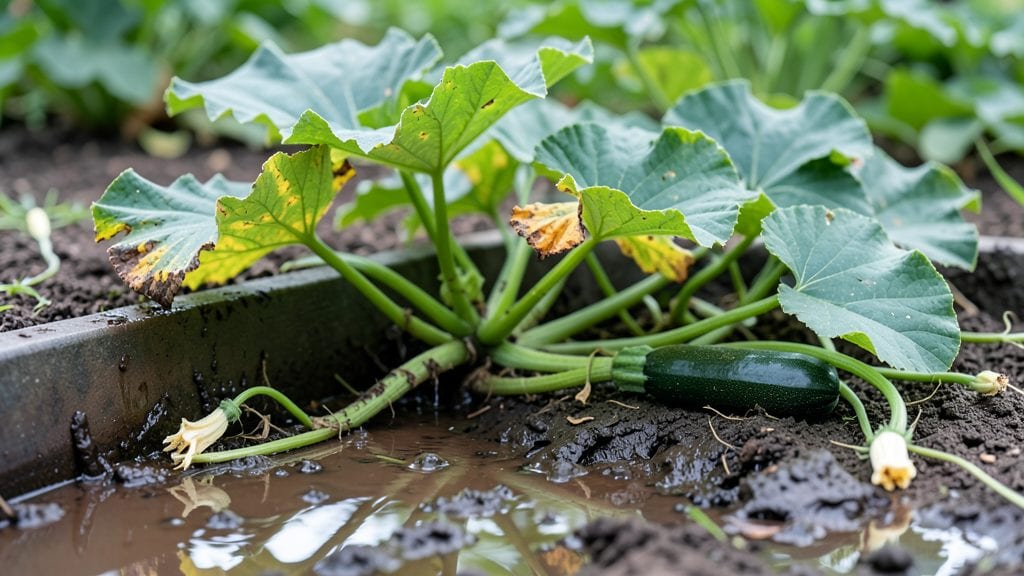
Overwatered squash plants can turn your thriving vines into sad, droopy messes faster than you think. I’ve pulled squash plants back from the brink of fungal rot and wilting by focusing on three simple fixes—each one targeting the root cause of that soggy soil problem.
The key isn’t just cutting back on water but fixing how your plants breathe and drain.
Yellowing leaves and mushy stems are your first warnings—don’t ignore them. Most gardeners overwater because they think squash needs constant moisture, but these plants actually crave well-drained soil. A quick check of the root zone (stick your finger in 2 inches deep) will tell you if you’re drowning them.
My squash always perks up within 48 hours after I adjust watering and improve airflow around the vines.
By the end of this, your squash will be standing tall again with vibrant green leaves and no more fungal spots. The secret is balancing water, soil, and sunlight—no complicated science, just smart adjustments.
You’ll see the difference in just a few days, and your plants will reward you with stronger growth and bigger harvests.
This works for both bush and vining squash, whether you’re growing zucchini, butternut, or pumpkins. The same principles apply to cucumbers and melons too. Let’s get those vines back on track before the next rain hits.
The Hidden Triggers Behind Soggy Squash
When your squash plants start looking more like drowned seaweed than thriving vines, the culprit is often overwatering—but it’s rarely just about the water itself. A mix of environmental factors, soil conditions, and even your watering habits can turn your garden into a squash plant swamp.
Let’s break down the science behind why this happens and what’s really making your plants suffer.
Squash plants need well-draining soil to thrive, but heavy clay or compacted soil acts like a sponge that never lets go. When water can’t escape, it pools around roots, cutting off oxygen and suffocating them. This creates the perfect storm for:
- Root rot: Fungal pathogens like Phytophthora and Pythium thrive in waterlogged conditions, attacking roots and blocking nutrient uptake.
- Nutrient leaching: Excess water washes away essential minerals (like nitrogen and potassium) that squash plants need for growth.
- Weak root systems: Roots deprived of oxygen can’t expand, leaving plants stunted and prone to wilting even when soil feels damp.
Actionable fix: Test your soil’s drainage by digging a 6-inch hole, filling it with water, and timing how long it takes to drain. If it’s slower than 4 hours, amend with compost or perlite to loosen the soil.
Even with good soil, watering frequency and volume can backfire. Squash plants (especially bush varieties like zucchini or summer squash) are drought-tolerant once established—meaning they prefer deep, infrequent watering over shallow, daily sprinkles. Common mistakes include:
- Surface watering: Light top-watering encourages shallow roots and evaporates quickly, prompting you to water again—often too soon.
- Ignoring weather: Watering on a schedule (e.g., every morning) without checking soil moisture leads to overwatering during rainy spells.
- Weak water pressure: A drippy hose or sprinkler can’t penetrate deep enough, leaving the top layer soggy while roots below stay dry.
Actionable fix: Water deeply 1–2 times per week (or when the top 1–2 inches of soil are dry). Use a soaker hose or drip irrigation to deliver water directly to the root zone.
Hot, humid days can make squash plants look thirsty even when they’re not. Here’s how weather contributes to overwatering:
- High humidity slows evaporation: Moist air reduces the soil’s ability to dry out, tricking you into thinking plants need more water.
- Cool nights + warm days: Temperature swings create a "false drought" effect, but roots may still be sitting in damp soil from yesterday’s watering.
- Rainfall + irrigation overlap: Adding water when the ground is already saturated (e.g., after a downpour) doubles the damage.
Actionable fix: Use a moisture meter or the "squeeze test" (grab a handful of soil—if it crumbles, it’s dry; if it sticks, it’s wet). Adjust watering based on actual soil conditions, not the forecast.
Young squash seedlings have delicate, shallow roots that can’t handle excess moisture. If you’re watering them like mature plants, you’re essentially drowning their development. Signs of this issue:
- Wilting despite wet soil (roots can’t absorb water fast enough).
- Yellowing leaves on lower stems (a sign of oxygen-starved roots).
- Slow or stunted growth after transplanting.
Actionable fix: For seedlings, water lightly but frequently (every 2–3 days) until they develop deeper roots (about 3–4 weeks). Once true leaves appear, switch to deep watering.
Understanding these triggers is the first step to saving your squash. Next, we’ll tackle how to revive wilting plants and prevent future soggy soil disasters.
Reviving Overwatered Squash Vines
If your squash plants are looking sad, soggy, or sluggish from too much water, don’t panic—there’s still hope! The key is to act fast, adjust your care routine, and give your plants the right conditions to bounce back. Below, we’ll break down the most common causes of overwatering and the practical fixes to save your squash patch. Plus, we’ll share pro tips to keep your plants thriving long-term.
If the soil feels constantly damp or even waterlogged (like a soggy sponge), your squash roots are suffocating. Overwatering cuts off oxygen, leading to root rot and wilting.
🔥 Step 1: Stop Watering Immediately
- Skip your next watering session—even if the soil feels dry at the surface. Let nature do some of the work.
- Check soil moisture with your finger: If the top 1-2 inches are still damp after 24 hours, wait another day.
🍳 Step 2: Improve Drainage Fast
- Loosen compacted soil around the base with a fork or trowel (gently!) to help water evaporate.
- Add organic matter: Mix in compost, coconut coir, or perlite to aerate the soil and prevent future sogginess.
- For containers: Drill drainage holes if missing, and empty excess water from saucers.
👨🍳 Step 3: Let the Soil Dry Between Waterings
- Water only when the top 1-2 inches of soil are bone-dry (stick your finger in—if it’s clinging to moisture, wait).
- Water deeply but less often: Aim for 1-1.5 inches per week (including rain), delivered in morning sessions to reduce evaporation loss.
- Use a moisture meter for precision—no more guesswork!
💡 Pro Tip:
If your squash is in heavy clay soil, consider planting in raised beds or containers next season. Clay holds water like a sponge and never dries out!
If leaves turn yellow, wilt, or stems feel mushy, root rot may have taken hold. Fungal infections thrive in waterlogged soil, and squash roots are especially vulnerable.
🔪 Step 1: Prune Damaged Foliage
- Snip off yellow or blackened leaves with clean pruners to prevent the fungus from spreading.
- Remove any mushy stems at the base—don’t hesitate! Healthy growth will return.
⏰ Step 2: Adjust Watering and Airflow
- Water at the base only (avoid overhead sprinkling, which spreads spores).
- Space plants properly: Crowded squash vines trap humidity.
Aim for 3-4 feet between plants for airflow. - Mulch strategically: Use straw or wood chips (not plastic) to retain moisture without suffocating roots.
🎯 Step 3: Fungal Treatment (If Needed)
- Baking soda spray: Mix 1 tsp baking soda + 1 tbsp vegetable oil + 1 tsp mild soap per quart of water.
Spray leaves every 7-10 days. - Copper fungicide: For severe cases, use a store-bought copper-based fungicide (follow label instructions). - Beneficial microbes: Add mycorrhizal fungi or compost tea to outcompete harmful pathogens.
✨ Prevention for Next Season:
Rotate crops—don’t plant squash in the same spot yearly. Fungal spores linger in soil, and squash are heavy repeat offenders!
If your squash wilts even when the soil is dry, you might be watering the leaves instead of the roots. This causes fungal diseases (like powdery mildew) and burns foliage in hot sun.
💡 Quick Fixes:
- Switch to drip irrigation or soaker hoses—delivers water directly to the soil.
- Water early in the morning (before 10 AM) to let leaves dry quickly.
- Use a watering wand for precision, avoiding stems and leaves entirely.
🌱 Long-Term Solution:
Install a simple DIY drip system with a timer. It’s cheap, saves water, and keeps leaves dry!
With these fixes, your squash vines should perk up within 3-7 days. Monitor closely, adjust watering habits, and soon you’ll be harvesting plump, healthy squash instead of sad, soggy vines. 🎉
Frequently asked questions
How do I know if my squash plants are overwatered?
Look for yellowing leaves (especially lower ones), wilting despite damp soil, and mushy stems. If the soil smells sour or roots appear black/brown, that’s a clear sign of root rot from excess moisture. Always check soil moisture by sticking your finger 1-2 inches deep—if it’s soggy, you’re overwatering.
Can overwatered squash plants recover?
Yes! Stop watering immediately and improve drainage by loosening soil or adding compost. Prune damaged leaves and ensure proper airflow. With these adjustments, most squash plants show signs of recovery within 3-7 days, though severe root rot may require replanting.
What’s the best way to water squash plants?
Water deeply 1-2 times per week (1-1.5 inches total) at the base, avoiding leaves. Use a soaker hose or drip irrigation for precision. Morning watering prevents fungal growth, and always check soil moisture before watering—never on a schedule alone.
Why do my squash plants wilt after watering?
This often happens when roots can’t absorb water fast enough due to poor drainage or compacted soil. Overhead watering can also cause wilting by burning leaves in hot sun. Try watering at the base with a wand early in the morning instead.
How can I prevent overwatering in containers?
Ensure containers have drainage holes and use well-draining potting mix with perlite or coconut coir. Water only when the top 1-2 inches are dry, and empty saucers after watering to prevent root suffocation. Raised beds or fabric pots improve airflow for container-grown squash.