
Companion Plants
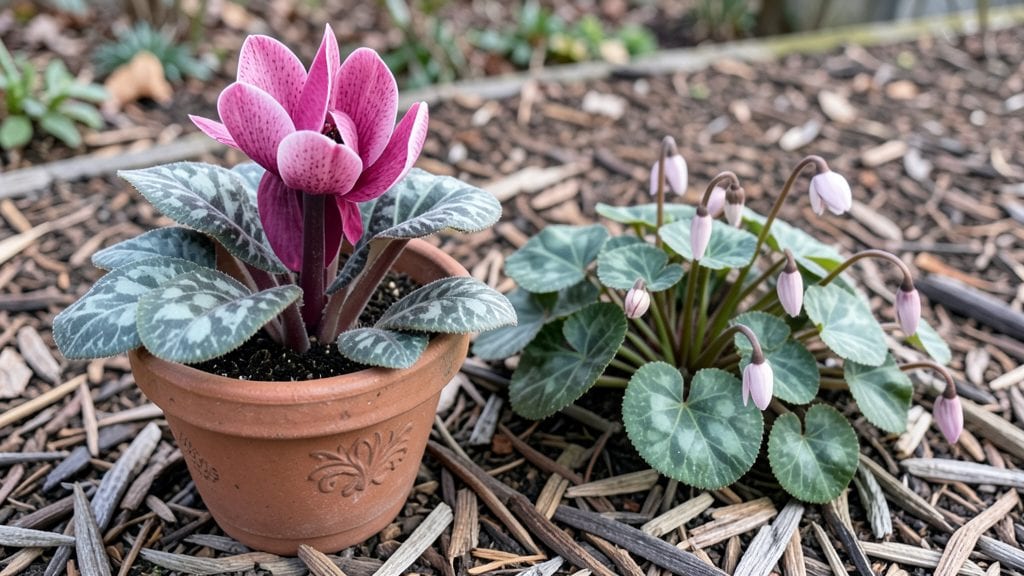
Cyclamen winter plants bring shocking pink and white blooms when most gardens lie dormant. ✨ I’ve grown them for years, and they’re the secret to vibrant winter color—whether in containers on my porch or tucked into shady garden beds. They thrive when others struggle, their delicate flowers defying the cold.
The trick is treating them like winter survivors, not delicate annuals. They love cool temperatures, bright indirect light, and well-draining soil—no fussing over heat or humidity. Most varieties handle light frosts down to 20°F, making them perfect for zones 5-9.
Even indoor cyclamen stay lush with a cool windowsill and occasional misting.
You’ll end up with a winter garden that feels alive, not asleep. The blooms last for weeks, and the heart-shaped leaves add texture even when flowers fade. Best of all, they deter pests naturally—no chemicals needed. Once you see how easy they are to grow, you’ll want them everywhere.
Works for containers, borders, or even as houseplants. Here’s how to keep them thriving through the coldest months—without losing a single bloom.
📚 In This Guide
- What you need
- Instructions
- Tips and common mistakes
- Wrapping up and next steps
What you need
- ● Cyclamen plants (1–3 per pot or garden bed, depending on desired coverage)
- ● Well-draining potting mix (2–3 gallons for indoor pots; or amended garden soil for outdoor planting)
- ● Containers or garden beds: For indoor cyclamen: 6–8" pots with drainage holes (1–2 plants per pot)
- ● For outdoor cyclamen: Partial-shade garden beds with organic mulch (e.g., shredded bark or compost)
- ● Slow-release fertilizer (balanced 10-10-10 or organic options like worm castings)
- ● Watering can or hose with a gentle spray nozzle (to avoid disturbing delicate tubers)
- ● Garden trowel or small shovel (for transplanting or amending soil)
- ● Pruning shears (to trim faded leaves or spent blooms)
- ○ Mulch (optional): Pine bark or straw to retain moisture and insulate roots in colder months
- ○ Grow lights (optional): LED full-spectrum bulbs for indoor plants if natural light is limited
- ○ Humidity tray (optional): A pebble-filled tray with water to boost moisture for indoor cyclamen
- ● A cool, bright location (50–65°F for indoor plants; or partial shade outdoors)
- ● Patience—cyclamen thrive with consistent (but not soggy) care!
- ● Knowledge of your hardiness zone (USDA Zones 5–9 for outdoor planting; or frost-free indoors)
Step-by-step guide to planting frost-resistant cyclamen for winter color
Here's how to grow hardy cyclamen that thrive in cooler months and bring vibrant blooms to your garden.
🌱 Step 1: Choose the Right Cyclamen Variety and Location
Select Cyclamen hederifolium or Cyclamen coum—these varieties handle frost better than their tender cousins. Plant in a spot that gets partial shade (morning sun, afternoon shade) with well-draining soil. Cyclamen hate soggy roots, so avoid low-lying areas where water pools after rain.
I like to test the soil by squeezing a handful—if it stays clumped, add 1 part perlite to 3 parts soil to improve drainage. The ideal spot also offers some winter protection, like near a north-facing wall or under deciduous trees that drop leaves in fall.
🪴 Step 2: Prepare the Soil and Plant Tubers
Dig a hole about 2 inches deeper than the tuber and twice as wide. Cyclamen grow from tubers (not seeds), so handle them gently—they bruise easily. Place the tuber with the flat side down (the pointed end should face up) to encourage proper growth.
Cover the tuber with soil, leaving the top ½ inch exposed. Press lightly around the edges to remove air pockets, but don’t compact the soil. Water gently until moisture reaches 1 inch deep, then let the top layer dry slightly before watering again.
💧 Step 3: Water and Mulch for Winter Protection
Water cyclamen every 7-10 days in fall, reducing to every 3 weeks in winter—they go semi-dormant when cold. Use a 2-inch layer of mulch (like shredded bark or straw) to insulate roots from freezing temperatures. I always mulch after the first frost to protect the tubers.
Watch for yellowing leaves—this is normal in winter and means the plant is conserving energy. Avoid fertilizing until spring, when new growth appears. Overwatering now will rot the tubers before they’ve had a chance to harden off.
☀️ Step 4: Encourage Spring Blooms and Maintain Through Seasons
When shoots emerge in early spring, remove the mulch and water lightly to wake the plant. Feed with a balanced 10-10-10 fertilizer at half-strength once blooms appear. Deadhead spent flowers to redirect energy into new growth, but leave some seed pods if you want more plants naturally.
In late summer, reduce watering again as the leaves yellow and die back—this signals the tuber is storing energy for next winter. I mark their locations with small stakes so I don’t accidentally disturb them during fall planting.
✂️ Step 5: Divide and Propagate Every 3-4 Years
Cyclamen tubers multiply over time, so dig up clumps in early fall when leaves start yellowing. Gently separate the tubers, ensuring each has at least one growth point. Replant immediately in fresh soil with the same care as new tubers. This keeps plants vigorous and prevents overcrowding.
Here’s the thing—cyclamen spread slowly, so don’t rush divisions. If you see fewer blooms, it’s often a sign the tubers need space. I’ve found that dividing in early September gives them time to establish before winter.
Tips & tricks for perfect cyclamen winter plants
Here's what I learned after years of growing these frost-resistant beauties—simple tricks that'll make all the difference for vibrant winter blooms.
Variety Matters: Don't just grab any cyclamen at the nursery! Cyclamen hederifolium and Cyclamen coum are your best bets for frost resistance. I've found that Cyclamen coum often blooms even earlier in fall, while hederifolium provides more winter color. Look for tubers that feel firm and heavy for their size—lightweight ones might be dehydrated.
Soil Test Trick: The squeeze test is your friend when preparing the planting hole. If your soil stays clumped after squeezing, you absolutely need to amend it with perlite (1 part perlite to 3 parts soil). I've seen cyclamen roots rot in heavy clay soil, so don't skip this step—it's the difference between thriving plants and sad, wilted ones.
Planting Orientation: This is where most people mess up! The flat side of the tuber always goes down, and the pointed end should face up. Think of it like planting a potato—you want the "top" (where growth emerges) facing upward. I've had tubers planted upside down produce stunted growth, so pay attention to this detail.
Winter Watering Wisdom: The key to winter survival is that every 3-week watering schedule. Set a reminder on your phone—cyclamen in winter are like teenagers, they'll forget you're there if you don't check in occasionally. And remember, yellowing leaves in winter are normal! It's their way of telling you they're conserving energy for spring.
Pro Tips for Cyclamen Winter Plants
- Here's what I learned after years of growing these frost-resistant beauties—simple tricks that'll make all the difference for vibrant winter blooms.
- Variety Matters: Don't just grab any cyclamen at the nursery!
- Soil Test Trick: The squeeze test is your friend when preparing the planting hole.
Frequently asked questions
Got questions about keeping your cyclamen thriving through winter?
Here are some of the most common inquiries—plus straightforward answers to help you grow with confidence!
Are cyclamen winter plants truly frost-resistant?
Most Cyclamen coum (hardy cyclamen) can tolerate light frosts down to 15–20°F (-9 to -7°C), but tender species like Cyclamen persicum (common house cyclamen) will perish in cold. For extra protection, mulch heavily or grow hardy types in USDA Zones 5–9.
When should I plant cyclamen for winter blooms?
For fall-winter color, plant hardy cyclamen in late summer to early fall (August–September). They’ll establish roots before cold weather and bloom by late fall. Tender varieties should go in late spring for summer/fall flowering.
Why are my cyclamen leaves yellowing or wilting?
Yellow leaves often signal overwatering—cyclamen hate soggy roots! Let soil dry slightly between waterings, and ensure pots have drainage holes. Wilting can also mean underwatering or low humidity. Group plants together or use a pebble tray to boost moisture.
Can I grow cyclamen indoors year-round?
Yes! Cyclamen persicum thrives indoors with bright, indirect light and cooler temps (60–65°F/15–18°C). Avoid drafts and heat sources (like vents). For hardy cyclamen, bring pots indoors before frost, then return them outside in spring.
What’s a good companion plant for cyclamen?
Pair cyclamen with heuchera (coral bells), hellebore (Lenten rose), or ferns for shade-loving, winter-friendly combos. Avoid aggressive spreaders like mint or overcrowding—cyclamen need space to breathe!
Wrapping up and next steps
Bringing cyclamen winter plants into your garden is a game-changer for year-round beauty—no frost fears, just vibrant blooms! These hardy companions thrive in cool weather, offering a splash of color when many plants take a break.
Whether you’re a seasoned gardener or just starting, their low-maintenance charm makes them a perfect addition to any outdoor space.
Ready to transform your winter garden? Start by selecting your favorite cyclamen varieties and follow the care tips shared here. Plant them soon—your future winter blooms will thank you! 🌸❄️