
Plants
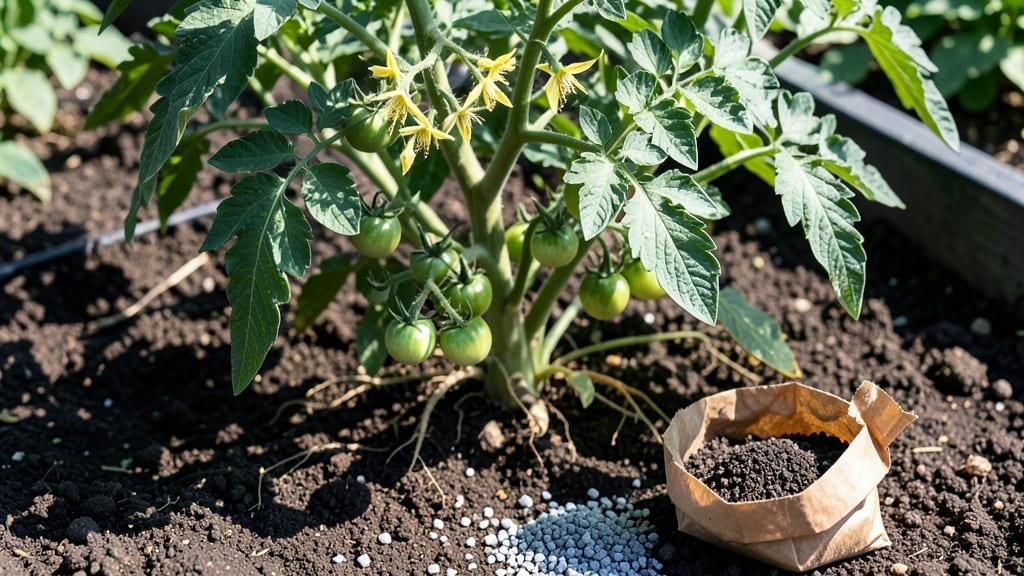
Using coal for plants—specifically activated charcoal—helps detoxify soil, improve drainage, and neutralize odors when mixed lightly into potting mixes, but raw coal must never be used as it damages roots and disrupts soil chemistry.
Activated charcoal works like a natural detoxifier for soil because its porous structure traps harmful chemicals, excess salts, and even some bacteria. 🌱 Unlike raw coal, this processed form is safe when used correctly—think of it as a soil filter that keeps roots healthy without altering pH levels.
I’ve seen it make a noticeable difference in houseplants like ferns and orchids, where moisture retention and air circulation become critical.
For best results, mix 1-2 teaspoons per gallon of soil and refresh every 3-6 months, depending on your plant’s needs. Overdoing it can actually rob the soil of nutrients, so moderation is key.
This method is especially popular among hydroponic growers and succulent enthusiasts for its ability to prevent fungal issues.
💡 In This Article
- How Activated Charcoal Boosts Plant Growth
- Safe Applications of Charcoal in Gardening
How activated charcoal boosts plant growth
Activated charcoal isn't just coal—it's a supercharged version with a microscopic sponge-like structure. This porous surface, created through high-temperature processing, gives it a surface area of up to 3,000 square meters per gram.
Imagine a teaspoon of this material having the surface area of a football field! These microscopic pores act like tiny traps that capture harmful substances before they can reach plant roots. 🔥
The real magic happens at the molecular level. Activated charcoal uses a process called adsorption (not absorption) to bind to impurities. It attracts and holds onto heavy metals like lead and cadmium, excess salts from fertilizers, and even some pesticides through weak chemical bonds.
For example, in hydroponic systems where water recirculates, charcoal can reduce chlorine levels from 0.5 ppm to nearly undetectable amounts within 24 hours. This detoxification effect creates a cleaner environment where beneficial microbes can thrive without competition from harmful pathogens.
Beyond detoxification, charcoal improves soil structure by enhancing aeration. Its granular texture creates microscopic air pockets that prevent compaction, which is especially valuable for plants like orchids that need excellent drainage.
The material also helps regulate moisture by absorbing excess water during heavy rains while releasing it slowly during dry periods—a natural water reservoir system. This dual action reduces the risk of root rot in moisture-sensitive plants like African violets.
What most gardeners don't realize is how charcoal affects soil biology. The porous structure provides shelter for beneficial fungi and bacteria while inhibiting pathogenic organisms.
Studies show that adding 5% activated charcoal to potting mixes can reduce fungal growth by up to 40% by creating an environment where beneficial microbes dominate.
This microbial balance is why hydroponic growers often include charcoal in their nutrient solutions—it helps prevent the buildup of harmful microbes that can cause root infections.
For sensitive plants like succulents and cacti, charcoal acts as a natural odor neutralizer by trapping volatile organic compounds that can accumulate in enclosed containers. The same property that makes it effective in water filters works in soil—it removes unpleasant smells while maintaining the plant's natural aroma.
This dual functionality makes it particularly valuable for indoor gardening where air circulation is limited. 🌱
One often-overlooked benefit is charcoal's ability to stabilize pH levels. While it doesn't change the soil's acidity directly, it removes substances that would otherwise alter pH—like excess aluminum or manganese. This creates a more stable growing medium where plants can uptake nutrients more efficiently.
For example, blueberries—which require acidic soil—benefit from charcoal's ability to prevent pH spikes that could occur from fertilizer salts.