
Pruning
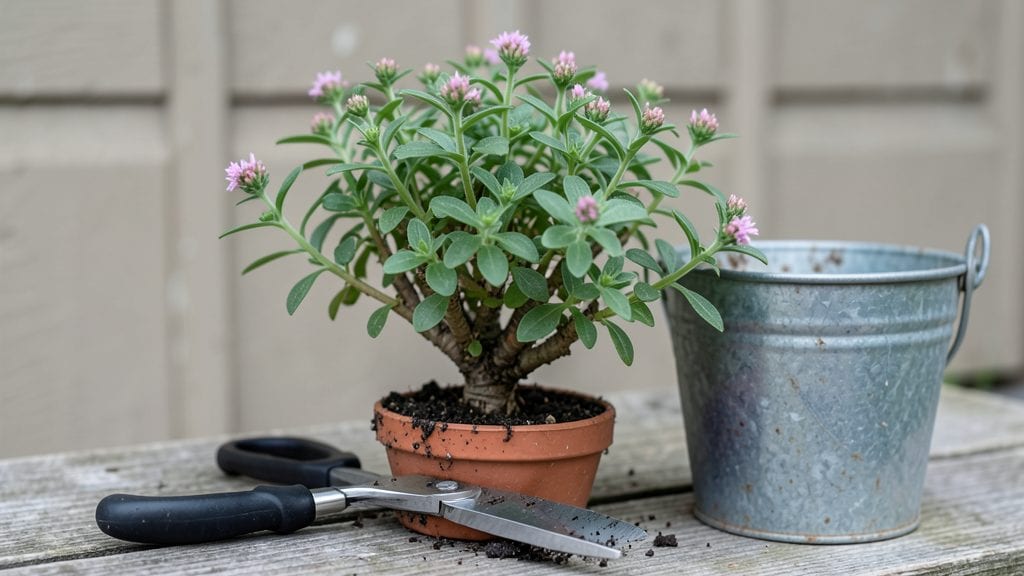
Trimming oregano plants isn’t just about harvesting fresh herbs—it’s the secret to keeping them lush, productive, and free of woody stems for years. 🌿 I’ve learned the hard way that skipping this step turns my oregano from a fragrant bush into a scraggly stick, but three simple seasonal snips make all the difference.
The right cuts encourage bushier growth, more flavorful leaves, and a plant that keeps producing even in winter.
You only need sharp pruning shears and a clear understanding of where to cut—right above leaf nodes, never into bare wood. Start in early spring to shape the plant, then do a light trim after harvests to encourage new growth.
The key is consistency: a little maintenance now means a thriving plant that never looks like it’s fighting for its life.
By following this schedule, you’ll end up with an oregano plant that stays compact, fragrant, and full of tender leaves year-round. No more reaching for sad, woody stems from the grocery store—just fresh, vibrant oregano ready for pesto, pizza, or seasoning. The best part? You’ll notice the difference within weeks.
This method works for both potted oregano and in-ground plants, so whether you’re growing on a windowsill or in your herb garden, the same principles apply. Let’s get those shears out and keep your oregano thriving!
📚 In This Guide
- What you need
- Instructions
- Tips and common mistakes
- Wrapping up and next steps
What you need
- ● Clean, sharp pruning shears – A bypass pruner (4-6 inch blades) for precise cuts; avoid dull tools that crush stems.
- ○ Gloves (optional but recommended) – Lightweight gardening gloves to protect hands from thorns and dirt.
- ● Watering can or hose – A spray nozzle attachment helps rinse off debris after trimming.
- ● Disinfectant (70% isopropyl alcohol or bleach solution) – Sterilize tools before and after use to prevent disease spread.
- ● Container or bucket – For collecting pruned stems (great for drying or composting).
- ● Potting soil (if repotting) – A well-draining mix (e.g., 50% potting soil + 50% perlite/sand) for root-bound plants.
- ● Labeling tags (if applicable) – To track varieties or pruning dates in a larger garden.
- ● Plant markers – If you have multiple oregano varieties (e.g., Greek vs. Mexican oregano).
- ● Hair dryer or fan – Speeds up drying if you’re harvesting for culinary use.
- ● Pruning saw (for large, woody stems) – Only needed if your oregano has thickened over time.
- ● Compost bin – For disposing of trimmings (oregano composts well!).
Step-by-Step guide to trimming oregano plants for lush year-round growth
Here's how to keep your oregano thriving through every season with just three strategic cuts.
🌿 Step 1: Early Spring Pruning for New Growth
Start by removing any dead or brown stems at the base with clean, sharp pruners. Oregano is hardy, but dead growth can harbor pests or disease. I like to cut back about one-third of the plant's height—this encourages bushier growth and prevents legginess. Look for stems that are woody or bare; these won't regrow and should be trimmed away completely.
Focus on the outer stems first, as these often grow weaker over winter. You'll see fresh green buds forming within 2-3 weeks—that's your signal the plant is responding well. Avoid cutting into the center too aggressively; oregano grows from the base, and over-pruning can leave it vulnerable to cold snaps later in the season.
✂️ Step 2: Mid-Summer Harvest Cut for Flavor and Shape
When your oregano reaches about 6-8 inches tall in late spring or early summer, it's time for the harvest cut. Use pruners to trim just above a set of leaves where new growth is visible—this ensures the plant continues producing leaves rather than just stems. I aim to cut back about half the plant's height, but never take more than one-third in a single session.
This is the best time to harvest for culinary use too. The leaves will be most flavorful and aromatic. After cutting, shake the plant gently to dislodge any pests hiding in the foliage. If you notice any yellowing leaves, remove them immediately—they're a sign of overwatering or disease and should be discarded, not composted.
🌱 Step 3: Late Fall Cleanup for Winter Resilience
As temperatures drop below 50°F at night, give your oregano a final trim to prepare for winter. Cut back any leggy or overgrown stems by about one-third again, but avoid removing more than half the plant. This helps the plant conserve energy and focus on root growth rather than maintaining excessive foliage.
Remove any dead or diseased stems completely, and thin out crowded areas to improve airflow. This prevents fungal issues that can persist through winter. If you're in a colder climate, consider adding a 2-3 inch layer of mulch around the base to protect the roots from freezing temperatures. You'll see fresh green shoots re-emerge in early spring, ready for another growing season.
⏰ Step 4: Year-Round Maintenance Checks
Between the seasonal trims, check your oregano monthly for signs of stress. If you notice stems growing too long or sparse, a light trim with pruners can encourage bushier growth. Always cut just above a leaf node—this is where new growth will sprout. Avoid cutting into bare stems, as this won't produce new leaves and can weaken the plant.
Water only when the top 1-2 inches of soil feel dry—oregano is drought-tolerant and overwatering is a common mistake. A well-maintained plant will have a compact, bushy shape with vibrant green leaves. If you see woody stems taking over, it's a sign the plant needs more frequent trimming to stay vigorous and productive.
Tips & tricks for perfect oregano trimming
These seasoned strategies will help you transform your oregano from a scraggly survivor to a lush, flavorful powerhouse all year long.
Pruning Precision: When you're cutting back that one-third of the plant's height in Step 1, visualize the plant as a pyramid. Start with the outer stems first—they're often the weakest after winter. Use clean, sharp pruners and make your cuts at a 45-degree angle just above a leaf node. This angled cut prevents water from pooling on the stem, which could lead to rot. I've learned this the hard way after watching plants develop fungal issues from improper cuts.
Seasonal Timing Secret: The 2-3 week window mentioned for new growth in Step 1 is your best indicator, not the calendar. If you're in a milder climate where winter doesn't get as cold, you might see new growth sooner. Watch for those fresh green buds rather than following a rigid schedule. This is especially important in Step 3 when preparing for winter—if your nights stay above 50°F, delay that final trim until temperatures consistently drop below that threshold.
Harvest Intelligence: That mid-summer harvest cut in Step 2 is your chance to double down on flavor. The best time to harvest for culinary use is actually in the morning after the dew has dried but before the heat of the day. The leaves will be most aromatic and packed with essential oils. After cutting, don't just toss those stems! Bundle them together and hang them upside down in a dry, dark place—they'll dry beautifully for winter use.
Winter Protection Strategy: The 2-3 inch mulch recommendation in Step 3 is non-negotiable in colder climates. I've seen oregano plants survive winters with just a light dusting, but they never recover their vigor. Use straw or shredded leaves rather than dense mulch—this allows airflow while insulating roots. In particularly harsh winters, consider adding a layer of burlap around the base for extra protection against freezing winds.
Pro Tips for Trim Oregano Plants
- These seasoned strategies will help you transform your oregano from a scraggly survivor to a lush, flavorful powerhouse all year long.
- Pruning Precision: When you're cutting back that one-third of the plant's height in Step 1, visualize the plant as a pyramid.
- Seasonal Timing Secret: The 2-3 week window mentioned for new growth in Step 1 is your best indicator, not the calendar.
Frequently asked questions
Got questions about trimming oregano? You’re not alone! Here are answers to the most common concerns—whether you're a newbie gardener or a seasoned green thumb looking to refine your technique.
When is the best time to trim oregano for the first time?
The best time to trim oregano for the first time is spring, right after the last frost but before new growth appears. This encourages bushier, healthier plants. If you’re growing it in a pot, you can trim it lightly anytime it gets leggy—just avoid heavy pruning in winter when growth slows down.
How often should I trim my oregano plant?
Trim your oregano plant every 4–6 weeks during the growing season (spring to fall) to keep it compact and promote new growth. In winter, reduce trimming to just removing dead or yellowing stems. Over-trimming in winter can stress the plant, so let it rest when growth slows.
Can I use pruned oregano stems for cooking immediately?
Yes! Freshly trimmed oregano leaves are perfect for cooking—just rinse them gently and use them within a few days for the best flavor. For long-term storage, dry the leaves by hanging small bundles upside down in a warm, dark place for 1–2 weeks. You can also freeze them in ice cube trays with olive oil for convenience.
What should I do if my oregano looks leggy or sparse after trimming?
Leggy or sparse oregano often means it needs more light or nutrients. Move it to a sunnier spot (at least 6–8 hours of sunlight daily) and fertilize lightly with a balanced, water-soluble fertilizer in spring. If it’s root-bound, consider repotting it into a slightly larger container with well-draining soil.
Is it okay to trim oregano plants in containers differently than those in the ground?
Yes! Container-grown oregano can be trimmed more aggressively since they’re easier to manage. Prune to shape them regularly to keep them compact, and pinch back the tips to encourage branching. Just ensure the pot has drainage holes—oregano hates soggy roots. Ground-planted oregano may need less frequent trimming but benefits from the same techniques.
Wrapping up and next steps
Trimming your oregano plants doesn’t have to be intimidating—it’s all about timing, technique, and consistency! 🌿 With just three seasonal snips, you’ll encourage lush growth, maximize flavor, and enjoy a bountiful harvest year-round.
Whether you’re a beginner or a seasoned gardener, these simple steps will keep your oregano thriving and ready for your favorite dishes.
Now that you’re armed with the know-how, grab those pruners and get trimming! 🌱 Start with the spring prune to kick off the season, then follow up with summer and fall snips to keep your plant happy. Happy gardening—and soon, you’ll be harvesting fresh oregano like a pro!