
Pruning
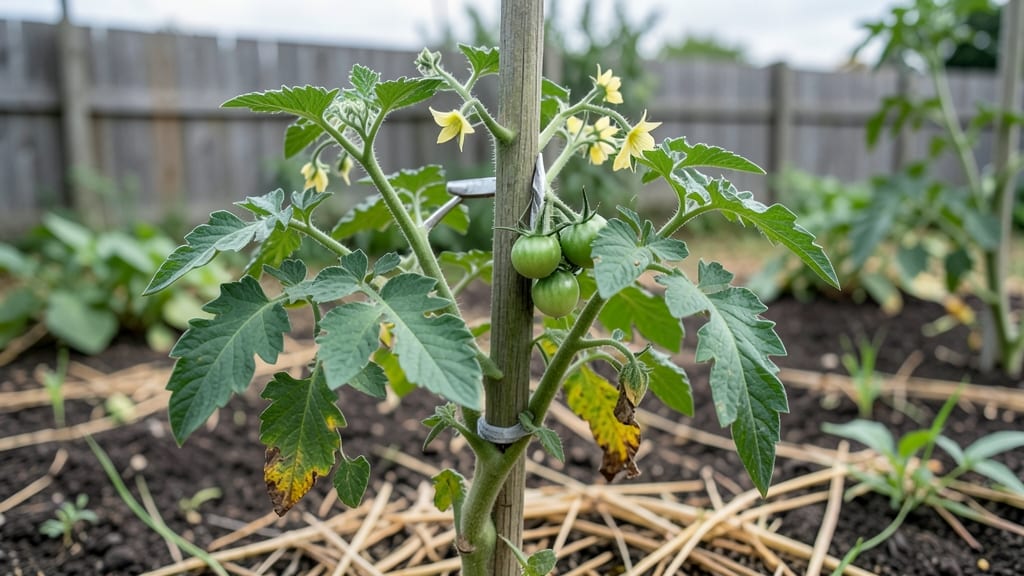
Pinching back tomato plants transforms leggy stems into bursting fruit factories—just three cuts make the difference between a handful of tomatoes and a basketful. 🌱 I learned the hard way that skipping this step means fewer blooms and smaller fruit, but once I started pinching at the right spots, my plants went from scraggly to showstopping.
The key is timing: do it early in the season when plants are young, and you’ll encourage a stronger structure that supports more weight.
You only need two things—a sharp pair of pruners and your eyes—to spot those little side shoots called "suckers." These grow in the V-shaped junction between the main stem and branches. Snip them off cleanly, and you’re redirecting the plant’s energy toward bigger fruit instead of extra leaves.
Most gardeners pinch suckers once a week during the growing season, but don’t overdo it—too much pruning stresses the plant.
What you’ll end up with is a tomato plant that looks like a miniature tree, with thick stems holding up clusters of sun-ripened fruit. The flavor improves too, because the plant focuses its energy on fewer, sweeter tomatoes.
And here’s the best part: you’re not just growing more—you’re growing better. The cuts you make today mean fewer broken branches and a harvest that keeps coming until frost.
This works for both indeterminate (vining) and determinate (bush) varieties, though the approach differs slightly. For indeterminates, keep pruning suckers all season; for determinates, just remove the lowest ones to improve airflow. Now grab those shears—your tomatoes are waiting for you to give them a little shape!
📚 In This Guide
- What you need
- Instructions
- Tips and common mistakes
- Wrapping up and next steps
What you need
- ● Clean, sharp pruning shears or scissors – Sterilized with rubbing alcohol (70% isopropyl) to prevent disease spread. (1 pair)
- ○ Gloves (optional but recommended) – Nitrile or garden gloves to protect your hands from thorns and dirt. (1 pair)
- ● Tomato plants (6–8 weeks old or actively growing) – Healthy plants with at least 3–4 sets of true leaves (not seedlings!).
- ● Garden twine or soft plant ties – For supporting stems if needed (3–5 ft per plant).
- ● Watering can or hose with a gentle spray nozzle – To keep plants hydrated before and after pruning.
- ○ Compost or mulch (optional but helpful) – To reduce stress on the plant after pruning (1–2 inches around the base).
- ● Hand lens or magnifying glass – For spotting tiny suckers or pests up close.
- ● Disinfectant spray (e.g., 10% bleach solution) – To sterilize tools between cuts on different plants.
- ● Plant markers or labels – If you’re experimenting with different pruning techniques.
- ● Sun hat and sunscreen – Because even gardeners need shade breaks! 😎
Step-by-step instructions for pinching back tomato plants
This foolproof method boosts fruit production—just three strategic cuts transform weak stems into harvest powerhouses.
🌿 Step 1: Identify the Suckers to Remove
Suckers are the small shoots that grow in the V-shaped junction between the main stem and a branch. They look like tiny offshoots about 2-3 inches long. Pinching these early prevents them from draining energy from your fruit later. I always check plants on a sunny morning when the stems are firm and easy to handle.
Use your thumb and forefinger to gently squeeze the sucker at its base until it snaps cleanly. Don’t rip—this can damage the main stem. If a sucker is too large (over 4 inches), it’s already stealing energy from your tomatoes. Remove it immediately to redirect growth to existing branches.
✂️ Step 2: Time Your Pinches for Maximum Growth
Pinch suckers when they’re 2-3 inches long—this is the sweet spot before they become energy vampires. I do this every 7-10 days during the growing season (May through August in most climates). Early in the season, focus on the lower suckers first—they’re closer to the soil and compete more aggressively.
Here’s the thing—if you wait until suckers are 6+ inches long, you’ve already lost weeks of potential fruit production. I set a reminder on my phone for every Tuesday and Thursday because consistency matters more than perfection.
🌱 Step 3: Prune for Airflow and Sun Exposure
After removing suckers, step back and assess your plant’s structure. You want a bushy but open framework—this prevents disease by letting sunlight and air circulate. Trim any branches growing inward or crossing others. Use clean, sharp pruners (or your fingers) to make clean cuts just above a leaf node.
I also pinch off the first few flowers that appear on the main stem below the first 6-8 inches. This might seem counterintuitive, but it forces the plant to focus energy on establishing a strong framework first. You’ll see bigger, healthier fruit later in the season as a reward.
💧 Step 4: Follow Up with Water and Support
After pinching, give your tomato plants a deep watering to the root zone—this helps them recover faster. I water at the base, avoiding the leaves to prevent fungal issues. If your plants are tall, add a stake or cage now to support the extra weight of future fruit.
Watch for new suckers in the same spots where you pinched before. Tomato plants are persistent! I’ve found that keeping a small notebook by my garden helps track which branches are most aggressive—so I can stay one step ahead.
☀️ Step 5: Monitor and Adjust Through the Season
As your tomatoes grow, shift your focus upward. Later in the season, prioritize suckers near the top of the plant—they’ll produce fruit faster. Stop pinching entirely when your plants are 6-8 feet tall or when nighttime temperatures drop below 60°F.
You’ll know you’re doing it right when your plants have 3-4 main stems with plenty of space between branches. This structure supports heavier fruit loads without breaking. And here’s the best part—your tomatoes will ripen faster and taste sweeter because the plant isn’t wasting energy on unnecessary growth.
Tips & tricks for pinching back tomato plants
Here's what nobody tells you about transforming your tomato plants into fruit-producing powerhouses with just a few simple cuts.
Timing is Everything: Those 2-3 inch suckers are the sweet spot for pinching—any longer and you're letting them steal energy from your fruit. I've found that pinching every 7-10 days during the growing season creates the perfect balance. Early season plants need more frequent attention since lower suckers compete fiercely for resources. Real talk: I used to wait until suckers got too big, and my harvests suffered for it.
Visual Cues Matter: When you're pinching those first few flowers below 6-8 inches on the main stem, look for tiny flower buds that haven't opened yet. These early blooms might seem harmless, but removing them forces the plant to build a stronger framework first. You'll thank yourself later when your tomatoes are bigger and sweeter.
Tool Prep Prevents Problems: Always use clean, sharp pruners or your fingers for pinching—dirty tools can introduce diseases to your plants. I keep a small bottle of rubbing alcohol nearby to wipe my pruners between cuts. For stubborn suckers, gently twist them while pulling upward to avoid damaging the main stem. This simple habit keeps your plants healthier throughout the season.
Seasonal Shifts: Remember that 60°F nighttime temperature cutoff? That's your signal to stop pinching entirely. Cooler evenings trigger tomato plants to focus on fruit production rather than new growth. I've also noticed that plants over 6-8 feet tall handle pinching less well—they're already putting energy into supporting that height, so let them concentrate on fruit instead.
Pro Tips for Pinch Back Tomato Plants
- Here's what nobody tells you about transforming your tomato plants into fruit-producing powerhouses with just a few simple cuts.
- Timing is Everything: Those 2-3 inch suckers are the sweet spot for pinching—any longer and you're letting them steal energy from your fruit.
- Visual Cues Matter: When you're pinching those first few flowers below 6-8 inches on the main stem, look for tiny flower buds that haven't opened yet.
Frequently asked questions
Got questions about pinching back tomato plants? You’re not alone! Here are answers to the most common concerns—so you can grow like a pro.
When is the best time to pinch back tomato plants?
Pinch back determinate tomatoes when they reach 12–18 inches tall (usually 3–4 weeks after transplanting). For indeterminate varieties, wait until they’re 2–3 feet tall and have 4–6 main stems. Always do it in the morning on a cloudy day to reduce stress on the plant.
What happens if I don’t pinch back my tomato plants?
If you skip pinching, your plants may grow leggy, produce fewer fruits, or develop weak stems that snap under heavy loads. Pinching encourages bushier growth, better airflow (reducing disease), and more energy directed toward fruit production. Think of it as a shortcut to a bigger, healthier harvest!
Can I use scissors instead of my fingers to pinch?
Yes! While fingers work for small jobs, scissors (or clean pruning shears) are great for thicker stems or large plants. Just sterilize your tools with rubbing alcohol first to avoid spreading disease. Pro tip: Avoid crushing stems—cut just above a leaf node or joint for cleaner regrowth.
How do I know if I’ve pinched too much or too little?
Too much pinching = stunted growth or no flowers/fruit. Too little = weak, sprawling plants. Aim for 1/3 of the plant’s height removed at a time. If your plant looks stressed (yellow leaves, slow growth), you’ve overdone it. If it’s flopping over, it’s time for more pinching!
What should I do if my tomato plant starts dying after pinching?
Don’t panic! Minor wilting is normal as the plant adjusts. If leaves turn yellow or brown and the plant feels mushy, it might be overstressed or diseased. Water deeply, avoid pinching for a week, and check for pests. If roots are rotting, trim damaged areas and repot if needed. Most plants bounce back in 3–5 days.
Wrapping up and next steps
Pinching back your tomato plants might seem intimidating, but with just three simple cuts, you’re on your way to a bigger, healthier harvest! 🌱 By focusing on removing suckers and pruning strategically, you’ll encourage stronger growth, better airflow, and more energy for fruit production.
Don’t let hesitation hold you back—your future tomatoes will thank you!
Ready to take the next step? Grab your pruners and start pinching! If you’re new to gardening, try it with just one plant first to build confidence. Happy growing—your kitchen (and taste buds) will be thrilled! 🍅✨