
Landscaping
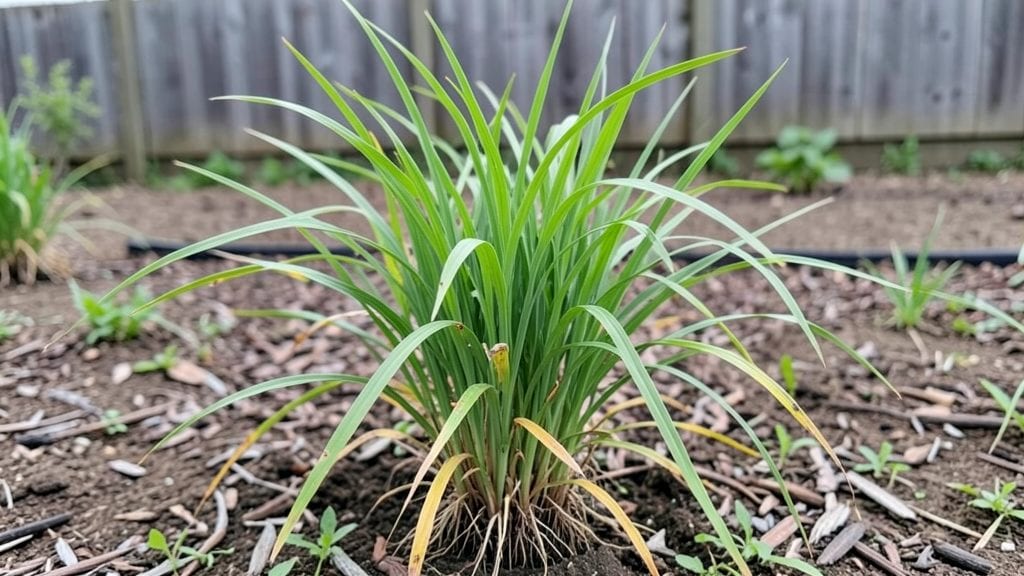
Landscaping with lemongrass plants thrives in warm climates with well-drained soil and full sun exposure, making them ideal for tropical borders, privacy screens, or edible gardens. Their upright growth and fragrant foliage add texture while repelling pests naturally.
Lemongrass isn't just a kitchen staple—it's a powerhouse for outdoor spaces, especially in zones that mimic its native tropical habitat. 🌿 The key to success lies in mimicking its natural environment: rich, sandy soil that drains quickly prevents root rot, while six or more hours of sunlight daily keeps those signature lemony stems growing strong.
I've seen it transform dull corners into fragrant, pest-free oases, whether planted in neat rows along driveways or clustered in large pots near patios. What's fascinating is how its citrusy aroma acts as a natural deterrent for mosquitoes and other insects, making it a functional addition to any garden design.
💡 In This Article
- Optimal Lemongrass Planting Conditions for Landscapes
- Creative Landscaping Ideas Using Lemongrass
Optimal lemongrass planting conditions for landscapes
Lemongrass plants flourish in USDA hardiness zones 9-11, where temperatures stay consistently above 50°F year-round. These zones mirror the tropical climates of Southeast Asia, where lemongrass originates.
The plant's growth slows dramatically below 40°F, and frost will kill it outright - its leaves turn brown and crispy when exposed to freezing temperatures. In cooler climates, growers often treat lemongrass as an annual or overwinter it in containers that can be moved indoors.
The ideal soil for lemongrass combines 60% sandy loam with 30% organic matter and 10% perlite or coarse sand to ensure excellent drainage. This mix prevents the plant's fibrous roots from sitting in waterlogged conditions, which causes root rot.
The soil pH should range between 5.5 and 6.5 - slightly acidic to neutral. You can test your soil's pH with a simple kit from garden centers, or observe your existing plants: yellowing leaves often indicate either poor drainage or incorrect pH levels.
When planting lemongrass in landscapes, maintain 18-24 inches of spacing between plants. This allows each stalk to reach its mature height of 3-5 feet without competing for sunlight or nutrients. The clumping growth habit means they won't spread invasively like some grasses, making them perfect for defined borders.
For privacy screens, plant them in rows 3 feet apart to create a dense, fragrant barrier that can reach 6 feet tall with proper care.
Watering requirements are surprisingly moderate once established. Newly planted lemongrass needs 1-2 inches of water per week, either from rainfall or irrigation. The key is keeping the soil consistently moist but never soggy - think of it like wringing out a damp sponge.
Established plants develop deep roots that make them drought-tolerant, but they'll send up fewer stems if water becomes scarce. Mulching with 2-3 inches of organic mulch helps retain moisture while suppressing weeds that compete for nutrients.
What most gardeners don't realize is how lemongrass's growth responds to sunlight patterns. In full sun (6+ hours daily), the stems grow taller and more robust, producing stronger essential oils that enhance their pest-repelling properties.
However, in partial shade (3-6 hours of sun), the plants become bushier with more side shoots - perfect for creating dense hedges. The trade-off is slightly less intense fragrance and slightly slower growth rates.
For maximum pest resistance in landscapes, combine proper spacing with regular harvesting. When you cut back stems to 6 inches above ground every 3-4 months, you encourage new growth while maintaining the plant's natural defense mechanisms.
The citrusy oils in the leaves act as a natural insect repellent, particularly effective against mosquitoes, aphids, and even some garden pests like slugs.
Here's a quick checklist for optimal conditions: 🌿
- Climate: USDA zones 9-11 (or container-grown in cooler zones)
- Soil: Sandy loam with 30% organic matter and excellent drainage
- Spacing: 18-24 inches apart for individual plants, 3 feet for screens
- Water: 1-2 inches weekly, reduce once established
- Sunlight: Minimum 6 hours daily for best growth and fragrance