Fertilization
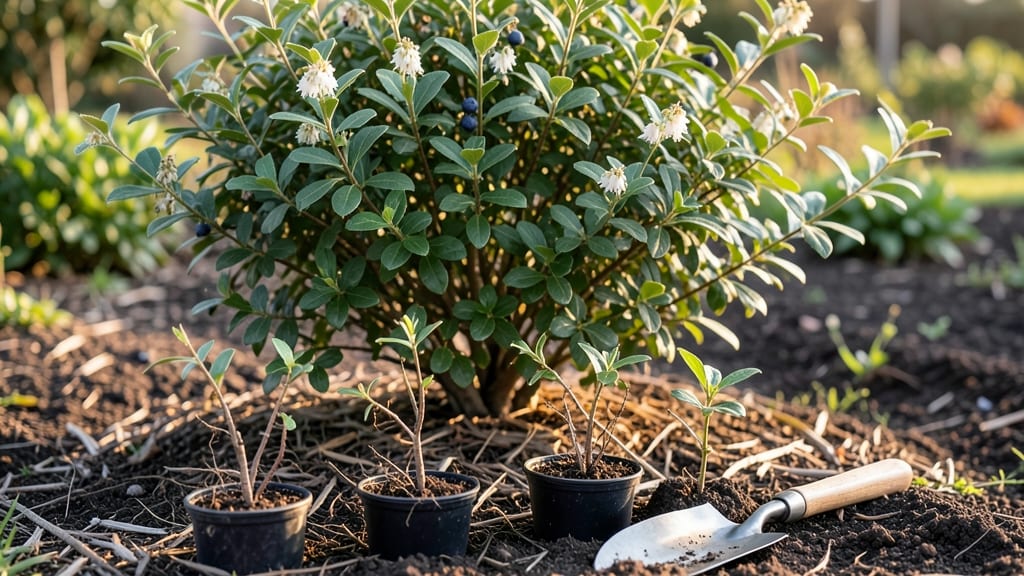
Growing blueberries in the right planting conditions 🫐 means the difference between a shrub that thrives and one that barely survives.
Blueberries thrive only when planted in the right conditions—but getting soil, sunlight, and climate perfect can mean the difference between a bountiful harvest and years of frustration. Here’s your zone-specific guide to planting blueberries the right way.
These finicky shrubs demand acidic soil, full sun, and just the right balance of moisture. Skip one of those, and you’ll end up with stunted growth or no fruit at all.
Below, I’ll walk you through the exact soil pH, sunlight needs, and moisture rules for your USDA zone—plus how to fix common mistakes before they ruin your crop.


USDA zone-specific blueberry planting conditions: sunlight & temperature requirements
Blueberries are finicky about their environment, but understanding your USDA zone and microclimate can help you create the perfect growing conditions. These shrubs thrive in zones 3 through 9, but their sunlight and temperature needs vary dramatically depending on where you live.
Let’s break down how to match your blueberries to your climate for maximum success.
First, sunlight is non-negotiable—blueberries demand 6+ hours of direct sun daily. In northern zones (3-5), they’ll tolerate partial shade, but southern zones (7-9) need full sun to prevent heat stress. Morning sun is ideal, as it reduces afternoon heat exposure, especially in hotter climates.
Now, let’s talk temperature. Blueberries are cold-hardy but need a period of winter chill to produce fruit.
Northern varieties (like Patriot or Bluecrop) handle zones 3-5 with ease, while southern varieties (like Southern Highbush) thrive in zones 7-9. Heat waves above 90°F can stunt growth, so afternoon shade cloth may help in extreme climates.
Here’s how your USDA zone impacts planting success, including sunlight and temperature ranges for each region:
| USDA Zone | Sunlight Needs | Temperature Range | Cold Hardiness | Best Varieties |
|---|---|---|---|---|
| 3-5 (Northern) | 6+ hours (partial shade OK) | -30°F to 85°F | High (survives winter chill) | Patriot, Bluecrop, Jersey |
| 6-7 (Mid-Atlantic) | 6+ hours (full sun preferred) | -10°F to 90°F | Moderate (needs winter chill) | Duke, Bluegold, Legacy |
| 8-9 (Southern) | 6+ hours (afternoon shade helps) | 20°F to 100°F | Low (heat-sensitive) | Southern Highbush, Climax, Premier |
Microclimates play a huge role in blueberry success. A south-facing slope in zone 5 might get enough heat to grow southern varieties, while a north-facing yard in zone 8 could struggle with cooler temps.
Use mulch in winter to insulate roots in cold zones, and provide drip irrigation in hot zones to keep soil consistently moist.
For northern zones (3-5), prioritize cold-hardy varieties and plant in early spring after the last frost. In southern zones (7-9), fall planting is ideal to establish roots before summer heat. Always check your last frost date—planting too early can expose young roots to frost damage.
Temperature swings are another critical factor. Blueberries need a dormancy period in winter (400-900 chill hours below 45°F) to flower properly. If you live in a mild-winter zone (8-9), choose varieties like Rabbiteye, which tolerate warmer winters.
In contrast, Northern Highbush varieties in zone 4 need deep snow cover for insulation.
Finally, container growing can extend blueberry ranges. Use insulated pots in cold zones and move containers to shaded areas during heatwaves. Just ensure pots have drainage holes—root rot is a common killer in both hot and cold climates.
With the right zone-specific care, your blueberries will reward you with years of juicy harvests!
🌱☀️🫐
Soil pH and moisture requirements for blueberries: acidic soil secrets
Blueberries are famously picky about their soil—they demand acidic conditions between pH 4.5 and 5.5 to thrive. If your soil is too alkaline (pH 7+), nutrients like iron and manganese become locked away, leaving your plants yellow and fruitless.
I’ve learned the hard way that skipping this step means wasted effort and no berries!
Most garden soils naturally lean toward neutral or alkaline pH (6.5-7.5), which is why blueberries need extra care. The good news? Testing and amending soil is straightforward with the right tools and amendments. Start by grabbing a soil pH test kit (digital or liquid) from your local garden center.
Blueberry Planting Conditions: Pros & Cons
For sandy soils, blend in 30% organic matter like peat moss, pine bark fines, or composted leaves. This boosts moisture retention and acidity. In clay-heavy soils, mix in 20% sand or perlite to improve drainage while keeping the organic content high.
Moisture is just as critical—blueberries need consistently damp soil (like a wrung-out sponge) but never soggy. Mulch with pine needles or wood chips to slow evaporation and maintain acidity. I’ve found that drip irrigation works best, delivering water directly to the roots without wetting the foliage.
If your soil tests above pH 6.0, amend it with elemental sulfur (1-2 lbs per 100 sq ft) or cottonseed meal (1 cup per plant). For a slower release, try alfalfa meal or coffee grounds (sparingly—too much can compact soil). Re-test in 2-3 months to monitor progress.
Remember: Blueberries hate alkaline soil—it’s their #1 enemy. With the right pH and moisture balance, your bushes will reward you with juicy, flavorful berries for years. Start testing your soil today, and give your blueberries the acidic home they crave! 🌱